Introduction
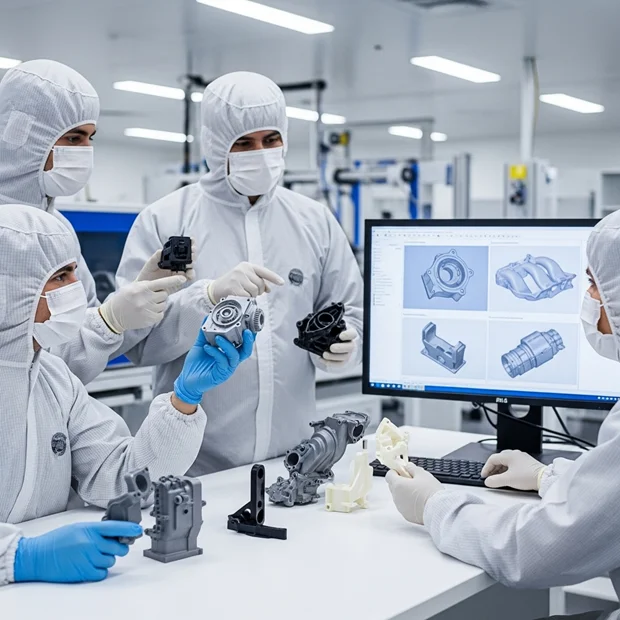
In modern electronics manufacturing, plastic components for electronics play a critical role in ensuring performance, durability, and cost efficiency. From circuit housings to connectors and insulation systems, custom plastic parts electronics are widely used because of their flexibility and precision. Manufacturers today rely on precision plastic components to meet strict industry standards and deliver consistent product quality.
Why Plastic Components Are Essential in Electronics Production
The demand for smaller, lighter, and more efficient devices has made electronics manufacturing plastic parts a preferred choice over traditional materials. Plastics offer excellent electrical insulation, corrosion resistance, and design flexibility, making them ideal for sensitive electronic applications. Additionally, high performance plastic materials can withstand heat, chemicals, and mechanical stress, which are common in electronic environments.
Cost Efficiency and Scalable Production
One of the biggest advantages of using injection molding electronics is cost efficiency. Once a mold is developed, manufacturers can produce large volumes of custom plastic components for electronic devices with minimal variation. This scalability reduces production costs while maintaining consistent quality. Compared to metal parts, plastic fabrication for electronic components requires less energy and reduces overall manufacturing expenses.
Design Flexibility and Customization
Custom plastics allow engineers to design complex geometries that are difficult or impossible to achieve with other materials. Precision injection molding for electronics enables tight tolerances and intricate shapes, which are essential for modern compact devices. Whether it is plastic enclosures for electronics or micro-components, customization ensures that every part fits perfectly within the device architecture.
Lightweight and Durable Solutions
Electronics manufacturers prioritize weight reduction without compromising strength. Lightweight plastic parts for electronics help reduce the overall weight of devices, making them more portable and energy efficient. At the same time, durable plastic enclosures for electronics provide protection against impact, moisture, and environmental factors, ensuring long-term reliability.
Superior Electrical Insulation Properties
One of the most important features of plastic materials for electrical insulation is their ability to prevent electrical conductivity. This makes them essential for components such as connectors, circuit housings, and insulation barriers. Electronics grade plastic materials help reduce the risk of short circuits and improve overall device safety.
Precision and High Tolerance Manufacturing
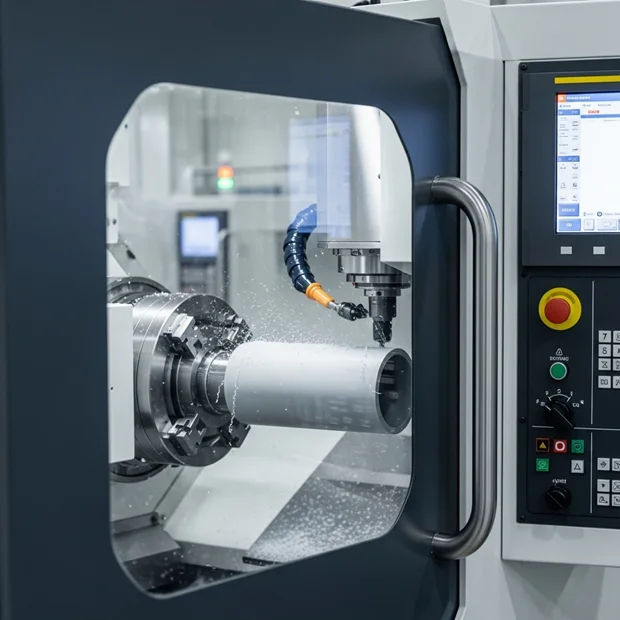
Modern electronics require extremely precise components. High tolerance plastic parts manufacturing ensures that every component meets exact specifications. Using CNC plastic machining for electronics, manufacturers can achieve high accuracy, which is crucial for performance and assembly. This precision also minimizes defects and improves production efficiency.
Cleanroom Compatibility and Contamination Control
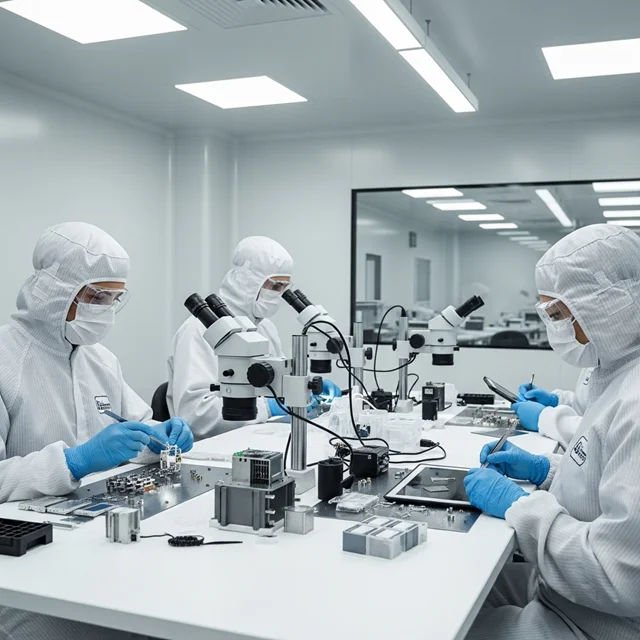
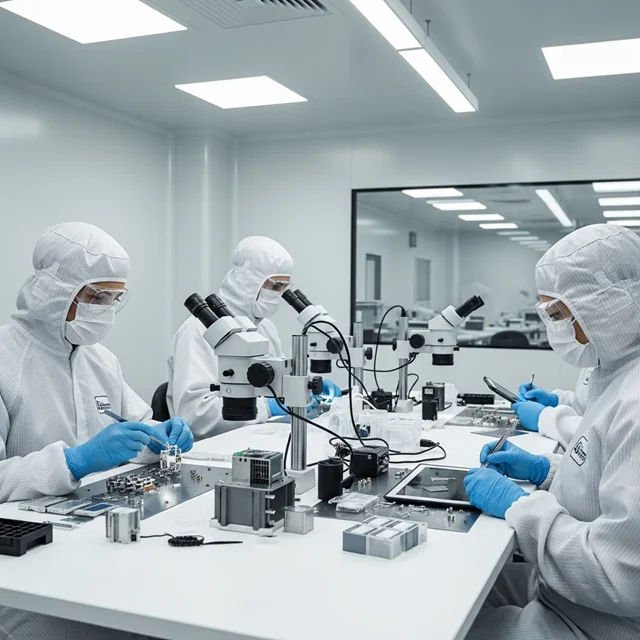
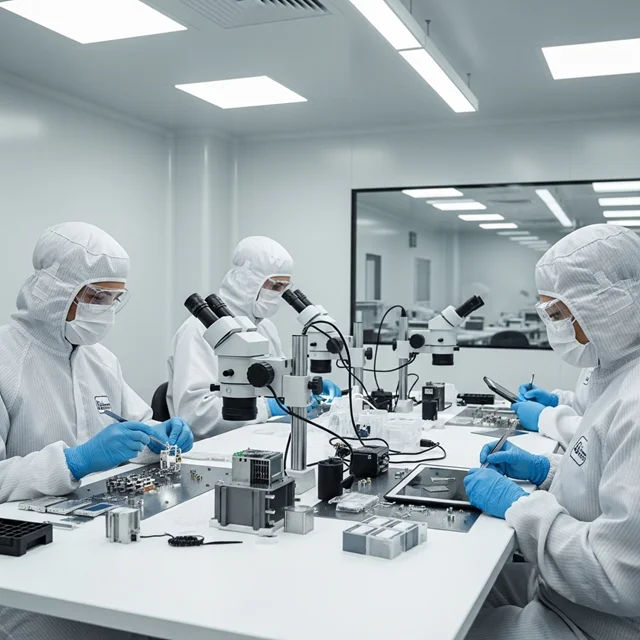
For industries like semiconductors and medical electronics, contamination control is critical. Cleanroom plastic assembly services ensure that components are manufactured in controlled environments, reducing the risk of contamination. This is especially important for sensitive devices where even small particles can affect performance.
Thermal and Chemical Resistance
Electronics often operate under high temperatures and exposure to chemicals. High performance plastic materials such as engineering-grade polymers are designed to withstand these conditions. This ensures that plastic components for electronics maintain their structural integrity and performance over time.
Why Advanced Plastic Solutions Stand Out
High-quality manufacturing partners provide precision engineering, advanced plastic design, and cleanroom-ready assemblies tailored for demanding applications. Companies like Foxx Technologies specialize in delivering reliable and scalable solutions. Their expertise in plastic molding, machining, and cleanroom assembly ensures that electronics manufacturers receive consistent, high-performance components built to meet strict industry standards.
Key Applications of Plastic Components in Electronics
-
Circuit board housings and protective casings
-
Connectors and cable management systems
-
Insulation components and barriers
-
Sensor housings and micro parts
-
Battery enclosures and device frames
These applications highlight the versatility of custom plastic components for electronic devices across different industries.
Conclusion
The use of plastic components for electronics continues to grow as manufacturers demand higher efficiency, precision, and cost savings. From injection molding electronics to cleanroom assembly electronics, plastics provide unmatched advantages in performance and scalability. By leveraging precision plastic components, companies can improve product reliability, reduce costs, and stay competitive in the fast-evolving electronics industry.
FAQs
-
Why are plastic components widely used in electronics?
Plastic components are widely used because they offer excellent insulation, lightweight properties, and cost efficiency. They also allow complex designs and high precision, making them ideal for modern electronic devices and compact systems.
2.What types of plastics are used in electronics manufacturing?
Common materials include ABS, polycarbonate, polypropylene, and high-performance engineering plastics. These materials provide durability, heat resistance, and electrical insulation required for electronic applications and long-term performance.
3.How does injection molding benefit electronics production?
Injection molding enables mass production of precise components with consistent quality. It reduces manufacturing costs and allows complex shapes, making it ideal for producing custom plastic components for electronics efficiently.
4.Why is cleanroom assembly important for electronics?
Cleanroom assembly prevents contamination during manufacturing. This is crucial for sensitive electronics, as dust or particles can affect performance, reliability, and overall product quality in high-precision environments.
5.How do plastic components improve device performance?
Plastic components enhance performance by reducing weight, providing insulation, and resisting heat and chemicals. They also enable compact designs and improve durability, contributing to better overall device efficiency and reliability.