In today’s competitive manufacturing landscape, plastic molding is the foundation for products across medical, automotive, electronics, and consumer goods industries. But as customer expectations soar and regulations tighten, producing a part is no longer enough. You must produce the right part, every single time.
This is where consistent quality control transitions from a “nice-to-have” procedure to the very backbone of your business success. It’s the difference between building a trusted brand and facing costly recalls.
In this guide, we’ll break down exactly why quality control matters, how it directly impacts your bottom line, and the best practices you need to achieve manufacturing excellence.
What is Quality Control in Plastic Molding?
At its core, quality control (QC) is a systematic process designed to ensure every single plastic part that leaves your production line is precise, uniform, and reliable. It’s a continuous cycle of inspection, testing, and monitoring that covers the entire manufacturing process.
This involves:
-
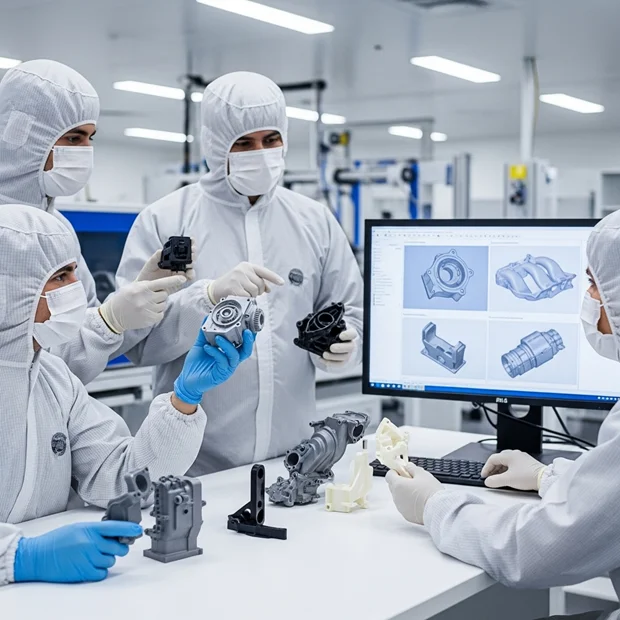
Dimensional Verification: Ensuring every angle, hole, and surface meets exact CAD specifications.
-
Material Inspection: Verifying that raw plastics are free of contaminants and meet required property specs before production starts.
-
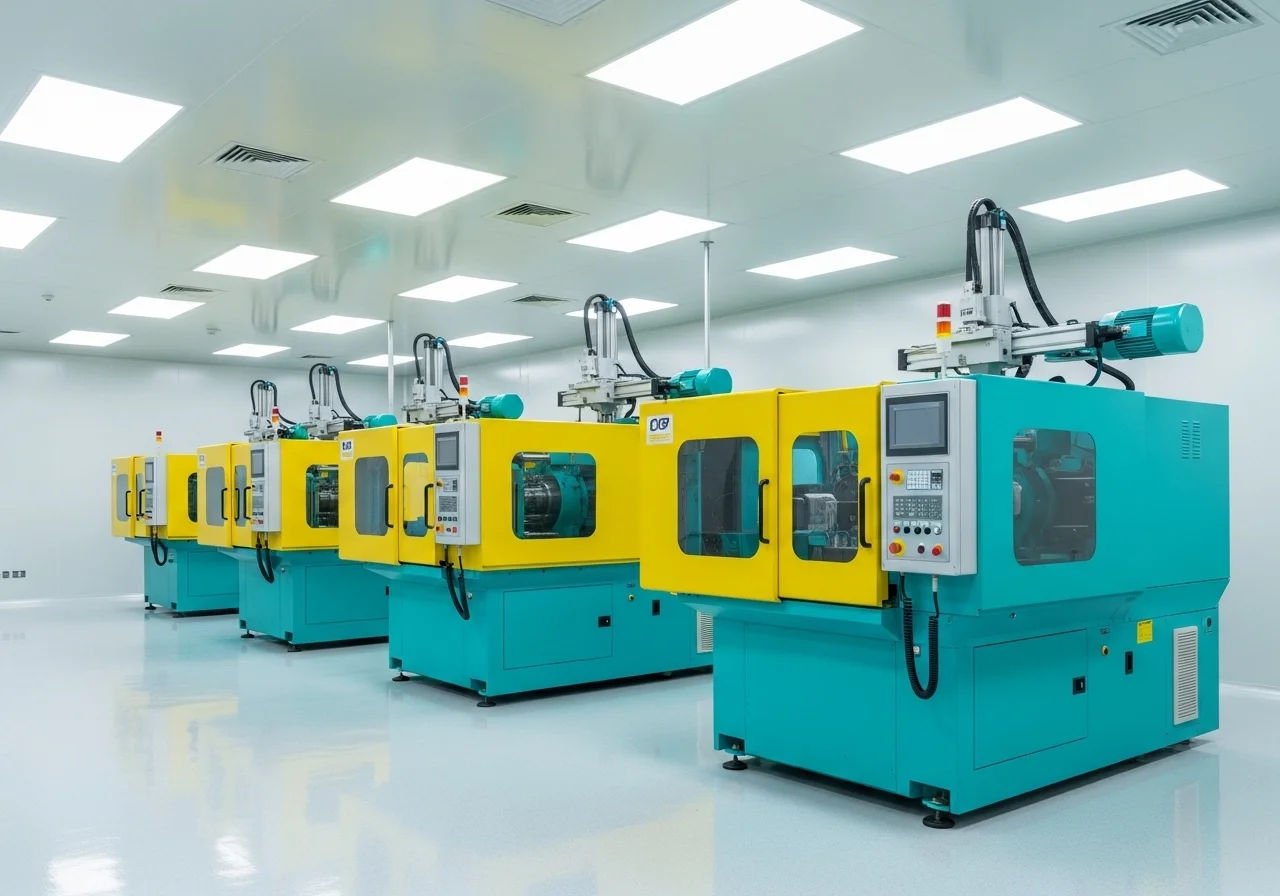
In-Process Monitoring: Tracking machine parameters like temperature, pressure, and injection speed in real-time.
-
Final Performance Testing: Validating the part’s strength, appearance, and safety under simulated use conditions.
5 Powerful Reasons Why Quality Control Can Make or Break Your Business
-
It Guarantees Product Functionality (and Prevents Field Failures)
Imagine a medical device that fails because a plastic housing was molded a fraction of a millimeter off. Or an automotive clip that snaps during installation. These aren’t just inconveniences; they are catastrophic failures.
Inconsistent quality leads to:
-
Structural Weakness: Parts that break under normal load.
-
Assembly Nightmares: Components that don’t fit together, slowing down your production line.
-
Aesthetic Flaws: Surface imperfections that devalue a premium product.
Robust quality control acts as your safety net. It ensures every part functions exactly as intended, protecting your customers and your reputation from the consequences of a defective product.
-
It’s Your Ticket to Operating in Regulated Industries
If you supply to the medical, aerospace, or automotive sectors, quality control isn’t optional—it’s mandated. These industries operate under strict regulatory frameworks like ISO 13485 or IATF 16949.
Without rigorous QC, you risk:
-
Losing Critical Certifications: A single audit failure can halt your ability to sell.
-
Hefty Fines & Legal Penalties: Non-compliance with regulations like FDA or RoHS can be incredibly costly.
-
Catastrophic Product Recalls: The financial and reputational damage from a recall can be insurmountable.
Consistent quality control provides the documented traceability and proven process control needed to not only meet but exceed these stringent industry standards.
-
It Dramatically Reduces Waste and Protects Your Profit Margins
Many manufacturers view quality control as an expense. The truth is that poor quality is the real profit-killer.
Consider the hidden costs of defects:
-
Material Waste: Discarding rejected parts and the raw material used to make them.
-
Expensive Rework: Paying labour and machine time to fix parts that should have been right the first time.
-
Costly Downtime: Stopping production to troubleshoot a recurring quality issue.
By catching issues early, a strong QC program minimizes waste, optimizes cycle times, and extends the life of your expensive molds. These savings go straight to your bottom line, making your operation leaner and more profitable.
-
It Builds Unshakeable Customer Trust and Brand Loyalty
In a crowded market, consistency is king. When a customer knows they can rely on your parts to perform perfectly, order after order, you become an indispensable partner.
Consistent quality leads to:
-
Higher Reorder Rates: Satisfied customers don’t shop around.
-
Positive Word-of-Mouth: Your reputation becomes your best salesperson.
-
Fewer Warranty Claims: Less money spent fixing problems, more money invested in growth.
Quality is a competitive advantage. It signals to the market that you are a serious, reliable player who stands behind their work.
-
It Creates a Foundation for Scalable, Predictable Growth
You can’t scale a broken process. Without standardized quality protocols, production becomes a gamble. One shift might produce great parts, while the next produces scrap.
Consistent QC provides the predictability you need to grow:
-
Repeatable Success: You can replicate high-quality output across different shifts, machines, and even facilities.
-
Data-Driven Decisions: Quality data helps you identify bottlenecks, optimize processes, and confidently take on larger, more complex orders.
-
Risk Mitigation: A stable, controlled process reduces the risk associated with scaling up production volumes.
Best Practices for Achieving Excellence in Plastic Molding Quality
How do top-tier manufacturers maintain such high standards? It’s a combination of advanced technology and a disciplined approach.
-
Leverage Automated Inspection: Move beyond manual checks. Implement vision systems for surface defects, laser scanners for 100%-dimensional verification, and in-mold sensors to monitor pressure and temperature in real-time. This eliminates human error and catches defects instantly.
-
Implement Real-Time Process Monitoring: Use modern machinery that allows you to track and adjust injection speed, pressure, and cooling times during the cycle. This proactive approach prevents defects from happening in the first place.
-
Develop and Enforce Standard Operating Procedures (SOPs): Document everything. Clear, detailed SOPs ensure that every operator follows the same best practices, minimizing setup errors and creating a culture of consistency.
-
Invest in Your Quality Teams: Technology is a tool, but expertise drives it. Ensure your team is continuously trained on the latest inspection techniques and root-cause analysis methods.
-
Maintain Rigorous Traceability: A robust system for tracking every part back to its raw material batch and production run is essential for audits and for quickly resolving any issues that may arise.
Frequently Asked Questions (FAQs)
Q1: What’s the difference between Quality Control (QC) and Quality Assurance (QA)?
Think of it this way: QA is proactive, QC is reactive.
-
Quality Assurance focuses on preventing defects by building quality into the process design and documentation.
-
Quality Control focuses on identifying defects by inspecting and testing the finished products. Both are essential for a comprehensive quality management system.
Q2: What are the most common tools used in plastic molding quality inspection?
Modern inspection relies on a mix of precision tools. The most common include Coordinate Measuring Machines (CMMs) for ultra-precise 3D measurement, vision inspection systems for automated surface and feature checks, and handheld tools like laser scanners, digital callipers, and micrometers for quick verifications.
Q3: How often should quality checks be performed during production?
A robust QC plan includes checks at multiple stages:
-
First Article Inspection (FAI): A full inspection of the very first part off the tool to validate the entire setup.
-
In-Process Checks: Scheduled checks (e.g., every hour or every 50 parts) to monitor consistency throughout the run.
-
Post-Changeover Checks: A mandatory inspection any time a tool is adjusted or a material is changed.
Q4: Can investing in quality control really prevent product recalls?
Absolutely. A strong QC system acts as the final gatekeeper. By identifying non-conforming parts before they are packaged and shipped, you effectively eliminate the risk of those parts causing a recall in the field. The cost of inspection is a tiny fraction of the cost of a full-scale product recall.
Partner with Foxx Technologies for Precision You Can Rely On
At Foxx Technologies, quality isn’t just a final checkpoint it’s the foundation of everything we do. We build it into every step of the plastic molding process. From advanced automated inspection systems to a deeply experienced quality team, we are committed to delivering parts that meet your exacting standards, every single time.
When you partner with us, you get:
-
Proven, documented quality control systems.
-
Precision molding expertise for complex applications.
-
A reliable partner dedicated to your success.
Ready to elevate your product quality and eliminate the risk of defects?
Contact Foxx Technologies today to discuss your next project and experience the Foxx quality difference.