
Modern bioprocessing is shifting rapidly toward single use solutions because companies want faster turnaround, higher flexibility, and lower contamination risks. But the biggest challenge many facilities face is not choosing a new single use system. It is integrating these SUT solutions into an already running stainless steel or hybrid bioprocess line without interrupting production.
Whether you manage upstream Bioprocessing, downstream Bioprocessing, or full scale manufacturing, a smooth transition depends on planning, compatibility checks, validation, and operator training. Below is a detailed and easy to follow guide on how to successfully integrate single use technology into any existing bioprocess workflow.
1. Start with a Complete Process Assessment
Before introducing any single use assemblies or bioprocessing equipment, map your full workflow. This helps identify where SUT can offer the highest impact.
Key steps to evaluate
- Review current upstream and downstream processes
- Identify sterile transfer points
- Check areas with high cleaning time and sanitization load
- Analyze fluid management bottlenecks
- Look for repetitive manual operations that can be automated
- Evaluate batch changeover time
- Study contamination or deviation history
High value areas for SUT integration
- Media and buffer preparation
- Harvesting lines
- Transfer of intermediates
- Storage and handling using bioprocess bags
- Final fill workflows
- Single use filtration lines
The goal is simple. Use single use technology where it gives the fastest wins without redesigning your existing stainless-steel system.
2. Choose Compatible Single Use Components
Not every component works with every system. Compatibility is the foundation of a successful integration. Once the process needs are mapped, select the right single use systems that match your current infrastructure.
Important compatibility checkpoints
- Material compatibility with media, buffers, and solvents
- Pressure and temperature ratings
- Fitment compatibility with existing bioreactors and tanks
- Pump and line size compatibility
- Type of connection needed such as sterile connectors, aseptic transfer systems, or quick connect fittings
- Validation support and regulatory documentation
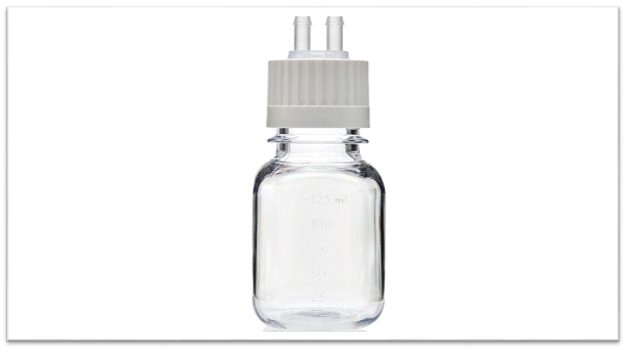
High intent SUT components commonly integrated
- Single use assemblies
- Bioprocess bags for storage and transfer
- TPE tubing and silicone tubing
- Aseptic sampling bags
- Bottle top assemblies
- Sterile filters
- Transfer manifolds
- Bioreactor accessories
- Fluid transfer components
The right selection reduces downtime and ensures the SUT fits seamlessly into your existing equipment.
3. Build a Clear Validation and Qualification Strategy
Validation is a critical part of any bioprocess upgrade. Introducing new single use technology requires proper testing to ensure product quality, batch reproducibility, and regulatory compliance.
Must include validation steps
- Material qualification and extractables testing
- Sterility assurance
- Functional testing of assemblies
- Integrity testing for bioprocess bags and filters
- Pressure hold testing
- Leachable evaluation
- Full process simulation runs
Tips for faster validation
- Use pre validated and gamma sterilized assemblies
- Choose suppliers with strong documentation packages
- Standardize assemblies to reduce testing time
- Use modular SUT designs to scale without revalidation
A strong validation plan eliminates risk and builds confidence across manufacturing and QA teams.
4. Optimize Process Flow with Hybrid Systems
Many facilities do not replace their stainless-steel systems entirely. Instead, they build a hybrid line that combines the robustness of steel with the flexibility of single use technology.
Where hybrid integration works best
- Media and buffer prep in stainless steel
- Transfer and storage in single use bags
- Filtration using single use manifolds
- Fluid transfer with TPE tubing and quick connects
- Downstream polishing with disposable filters
- Sampling using sterile sampling assemblies
Advantages of hybrid SUT integration
- Lower upfront cost
- Reduced CIP and SIP requirements
- Faster batch turnaround
- Better contamination control
- Easy scalability for multi-product facilities
Hybrid systems offer the best balance when full replacement is not feasible.
5. Train Your Operators and Create SOP Alignment
Even the best SUT components fail if operators are not trained properly. Since single use technology behaves differently from steel, proper handling and SOP alignment make a big difference.
Operator training essentials
- Handling and unboxing of SUT assemblies
- Correct connection and disconnection methods
- Using sterile connectors during aseptic transfer
- Bag handling techniques for large volumes
- Flow checks and pressure monitoring
- Proper disposal methods for SUT waste
- Troubleshooting guide for line kinks, leaks, or flow variations
SOP areas that must be updated
- Material receiving
- Setup and teardown steps
- Cleaning responsibilities
- Sampling workflows
- Quality checks
- Safety protocols
A well-trained team reduces risk, improves efficiency, and maintains consistency across every batch.
6. Plan for Scale and Future Expansion
Once SUT solutions are integrated successfully, plan how you will expand them further. Modern bioprocess lines require flexibility, and single use systems make scaling simple when designed correctly.
Future planning strategies
- Standardize your most used assemblies
- Reduce custom designs to simplify procurement
- Use modular manifolds that scale from pilot to production
- Create a preferred SUT component list
- Streamline inventory of bags, filters, tubing, and connectors
- Implement closed system designs for better contamination control
Future readiness keeps your bioprocess line competitive and adaptable.
Conclusion
Integrating single use technology into established bioprocess lines does not need to be disruptive. When you start with a clear process assessment, choose compatible components, validate properly, train operators, and plan for scale, SUT systems transform your workflow with speed, safety, and flexibility.
For high performance single use assemblies, bioprocess bags, fluid transfer components, TPE tubing, and complete bioprocessing solutions, explore Foxx bioprocess for trusted and ready to integrate products that support every stage of modern biomanufacturing.