
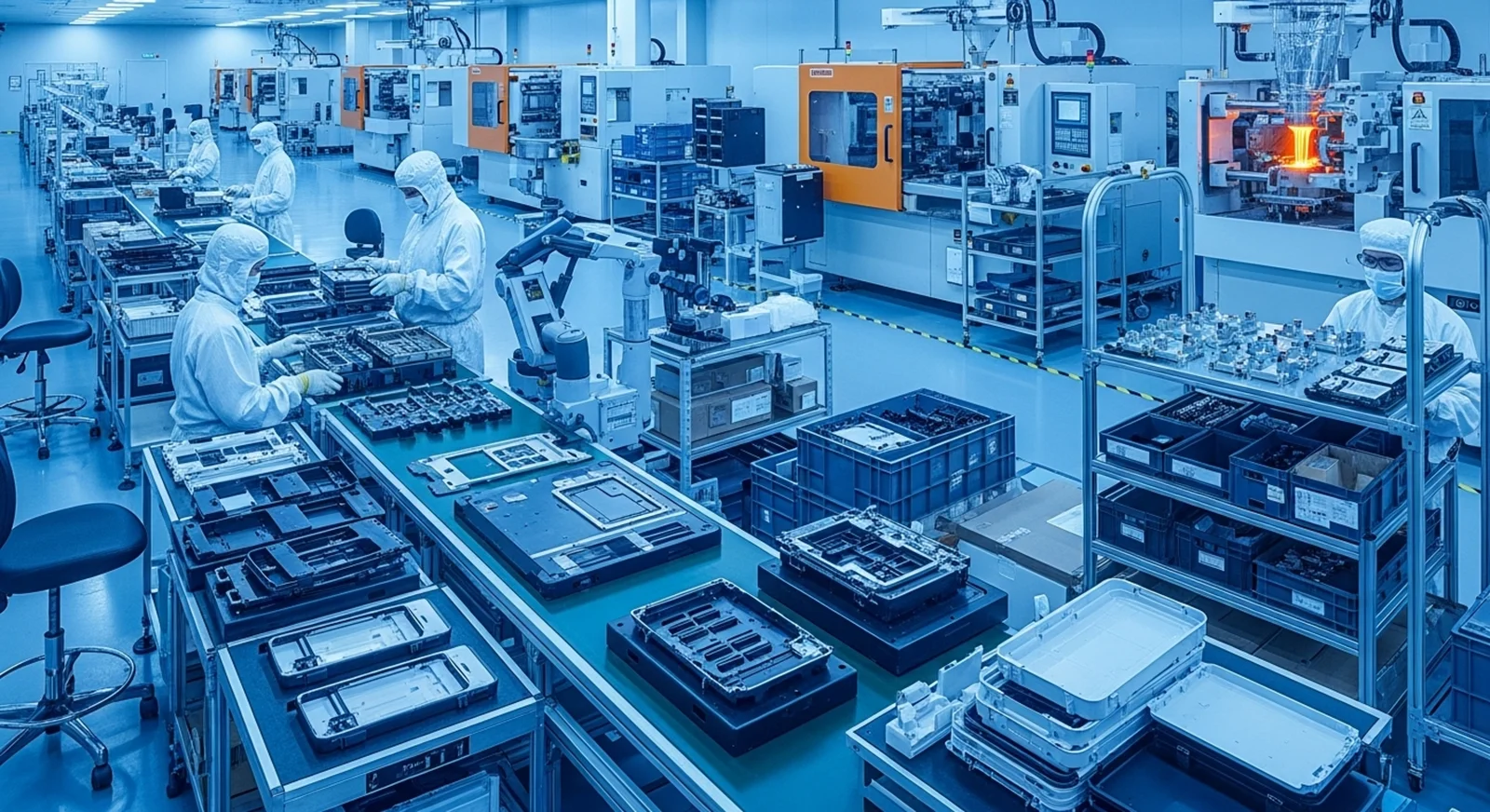
Electronics manufacturing depends on parts that fit correctly, hold their shape under heat, and perform the same way thousands of times over. CNC machining has become one of the most reliable ways to meet that bar. It replaces manual guesswork with computer-guided precision, and that shift matters more in electronics than almost anywhere else, since even a fraction of a millimeter can determine whether a circuit board fits its housing or a connector makes contact.
What Is CNC Machining?
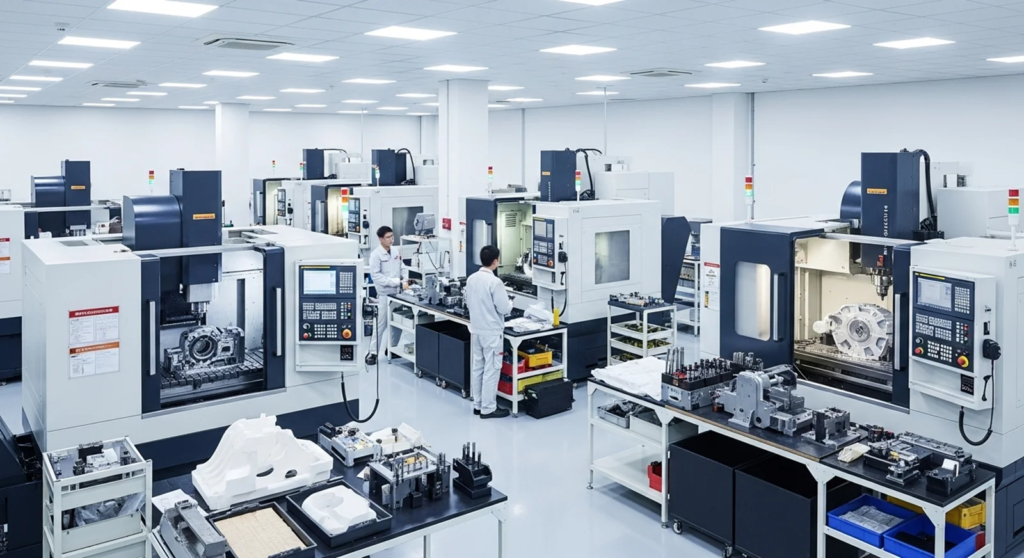
CNC stands for Computer Numerical Control. It’s a manufacturing process where preprogrammed software directs the movement of machine tools—mills, lathes, routers, and drills—to cut raw material into a finished part. The operator feeds in a digital design, usually a CAD file, and the machine follows that path exactly, cutting metal or plastic with tolerances often tighter than a human hand could manage. Unlike manual machining, CNC removes variation between one part and the next, which is exactly what electronics production lines need when they’re building thousands of identical components.
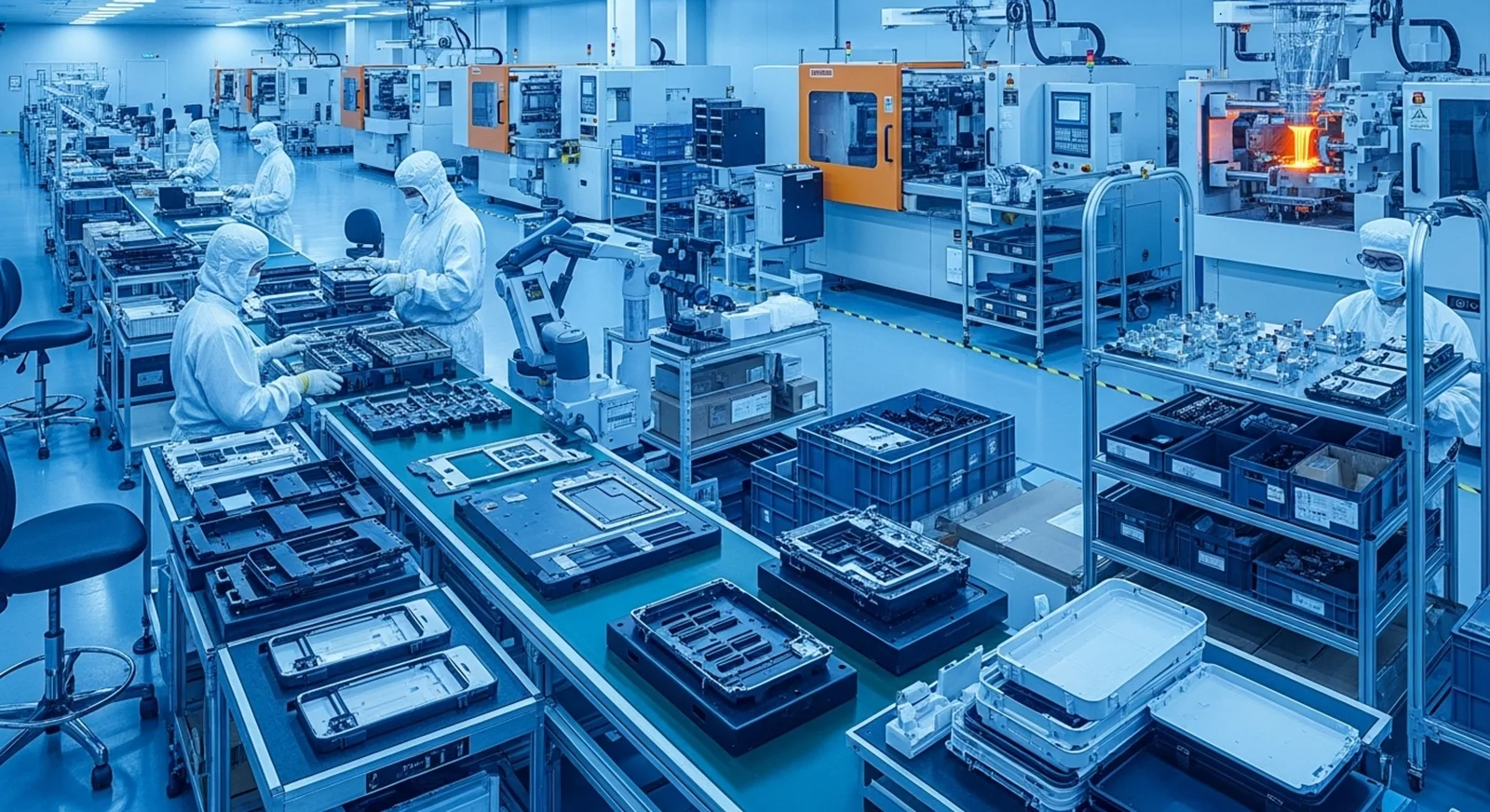
Why Electronics Manufacturers Rely on CNC Machining
Electronic devices are packed with small, interdependent parts: enclosures, brackets, connectors, insulators, and heat sinks that all have to align within strict limits. CNC machining gives manufacturers the repeatability to produce these parts at scale without drift in quality. It also shortens the gap between prototype and production, since the same program used to cut a first sample can run the full batch. That consistency reduces scrap, cuts assembly errors, and keeps devices performing reliably after they leave the factory floor.
Key Technical Aspects of CNC Machining for Electronics
Electronics-grade CNC work usually involves tight tolerances, often within a few thousandths of an inch, because components like housings and connector shells need to seat precisely against circuit boards and other hardware. Material choice matters just as much: manufacturers commonly machine engineering-grade plastics and specialty resins that resist heat, chemicals, and static buildup. Multi-axis machining allows complex geometries—internal channels, threaded inserts, and recessed features—to be cut in a single setup, which reduces handling and keeps dimensional accuracy consistent across a production run.
Common Applications in Electronic Component Manufacturing
CNC machining shows up throughout electronics production. It’s used to make device enclosures and housings, custom brackets and mounting hardware, connector components, insulating spacers, and heat-dissipation parts. It also plays a role in prototyping, where engineers need a functional sample fast to test fit and performance before committing to full production. Because the process works across metals and high-performance plastics, it supports everything from consumer electronics to industrial control systems and telecom hardware.
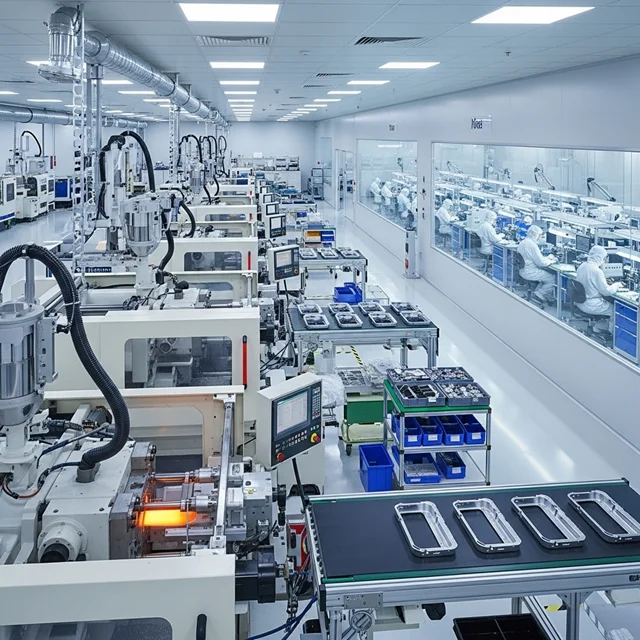
Why Foxxtechnologies Is Different
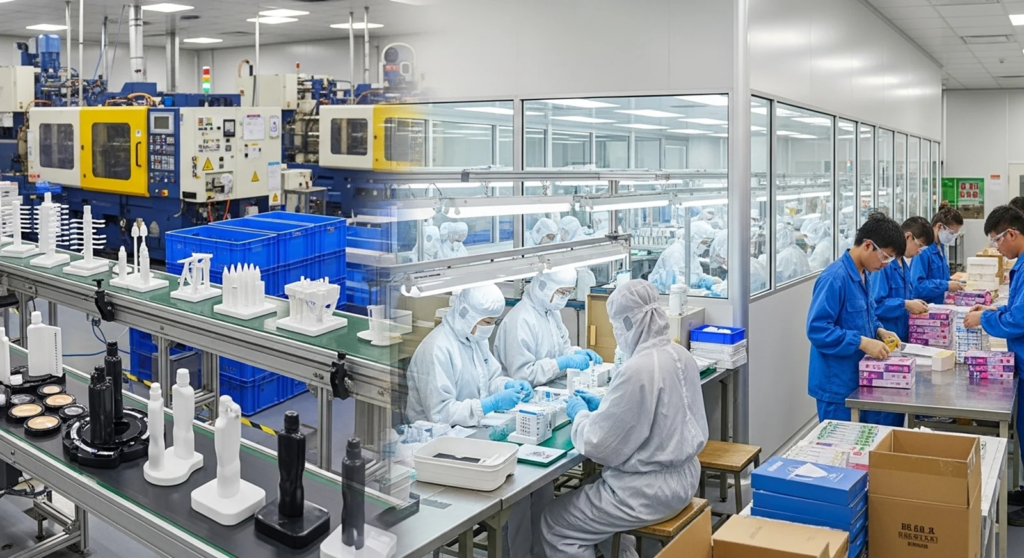
Foxxtechnologies pairs precision CNC machining with cleanroom-compatible assembly and ISO-aligned quality systems, built specifically for electronic component production. That combination of tight-tolerance machining, controlled environments, and scalable capacity helps manufacturers move from design to finished part without compromising consistency or compliance.
Choosing the Right Manufacturing Partner
Not every machine shop is set up for electronics work. The right partner understands tolerance requirements, material behavior under thermal stress, and the compliance standards electronic components need to meet. Foxxtechnologies’ electronics industry page outlines how CNC machining fits into a broader set of services—including plastic molding, prototyping, and clean room assembly built around electronic component needs from first design to finished production run.
FAQs
-
What materials can be CNC machined for electronics?
Most electronics-grade CNC work uses engineering plastics, high-temperature resins, and select metals chosen for heat resistance, dimensional stability, and compatibility with sensitive electronic assemblies.
-
How accurate is CNC machining for small electronic parts?
CNC machining typically holds tolerances within a few thousandths of an inch, which is tight enough for connectors, enclosures, and other parts that must fit precisely against circuit boards.
-
Is CNC machining suitable for prototyping electronic components?
Yes. CNC machining produces functional prototypes quickly, letting engineers test fit, form, and performance before committing to full-scale electronic component production runs.
-
Why is cleanroom assembly important for electronics manufacturing?
Cleanroom assembly limits dust, static, and contamination during production, which protects sensitive electronic components from damage and helps devices meet strict industry compliance standards.
-
Can CNC machining handle complex electronic housing designs?
Multi-axis CNC machining cuts intricate geometries, internal channels, and threaded features in a single setup, making it well suited for complex electronic housings and brackets.
This platform is a game changer. The customer support is helpful and the rewards are very generous. I am sticking with brplataforma7ff for a long time.