
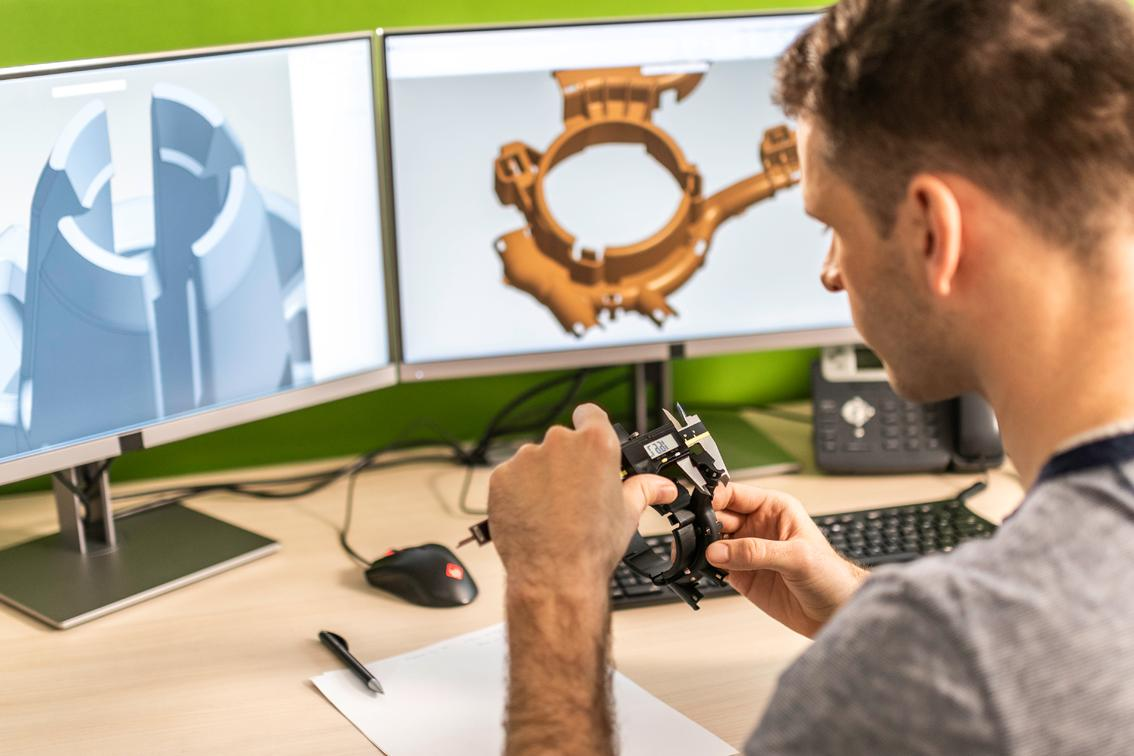
Developing a custom plastic product involves much more than creating a 3D model and putting it into production. A successful plastic component must be designed for its intended application, manufactured using an appropriate process, tested against performance requirements, and prepared for consistent production at the required volume.
The transition from prototype to production is particularly important for injection molded plastic components. Decisions made during product development can affect tooling cost, cycle time, dimensional accuracy, material performance, assembly, and overall manufacturing cost.
A structured development process helps identify potential issues early and reduces expensive changes later in the project.
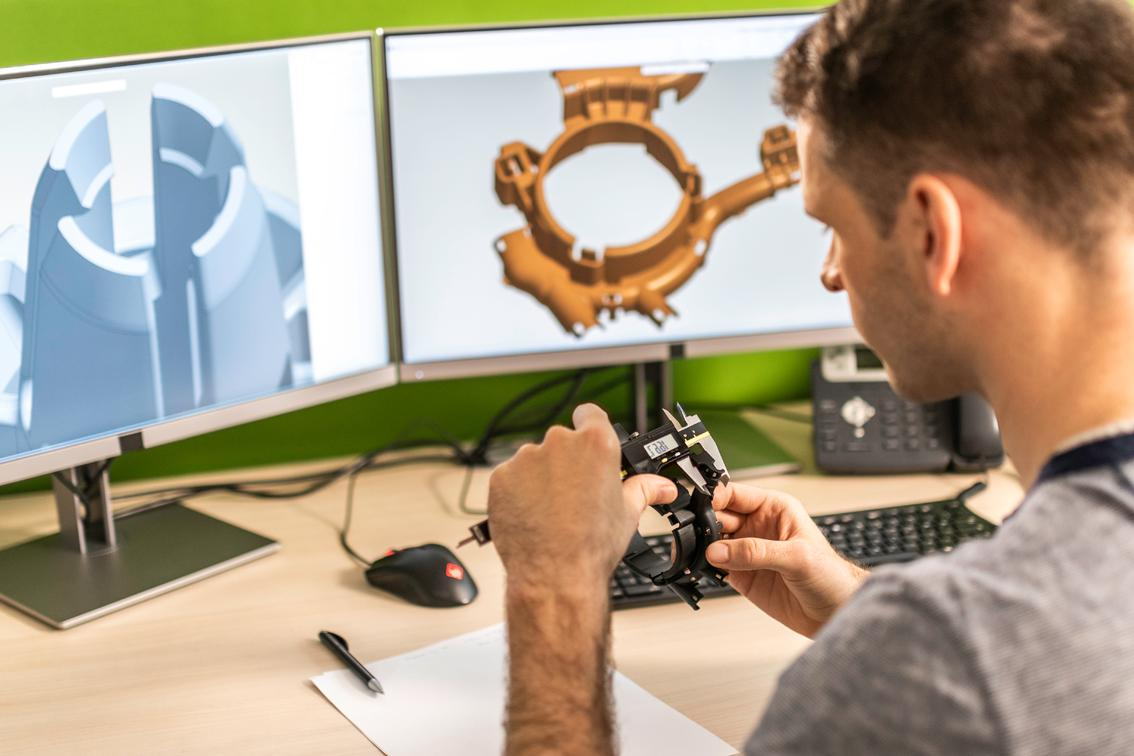
Define the Product Requirements
Every custom plastic product starts with a clear understanding of what the component needs to do.
Before developing the design, manufacturers and engineering teams should establish requirements such as:
-
Intended application
-
Component dimensions
-
Mechanical loads
-
Operating temperature
-
Chemical exposure
-
Environmental conditions
-
Expected service life
-
Assembly requirements
-
Surface finish
-
Production volume
-
Target cost
-
Regulatory or industry requirements
For example, a plastic enclosure used in electronics may require dimensional accuracy and electrical insulation, while an automotive component may require impact resistance, temperature stability, chemical resistance, and long-term durability.
Select the Appropriate Plastic Material
Material selection should happen early in the development process.
Different thermoplastics offer different combinations of strength, stiffness, impact resistance, temperature resistance, chemical resistance, dimensional stability, and processing characteristics.
Common materials used in plastic manufacturing include:
-
Polypropylene
-
Polyethylene
-
ABS
-
Polycarbonate
-
Nylon
-
POM
-
PBT
-
PPS
-
PEEK
The choice depends on the application rather than simply selecting the strongest or lowest cost material.
For example, a component requiring high impact resistance may need a different material from one requiring high temperature performance or low friction.
Material selection also affects injection molding behavior, shrinkage, cooling, tooling requirements, and final component dimensions.
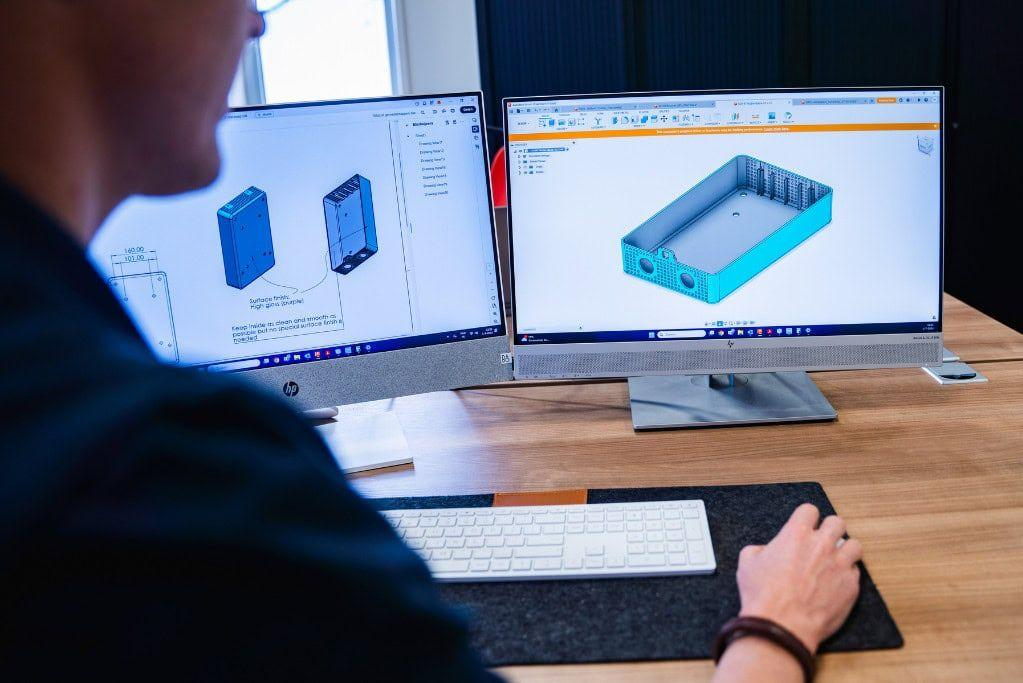
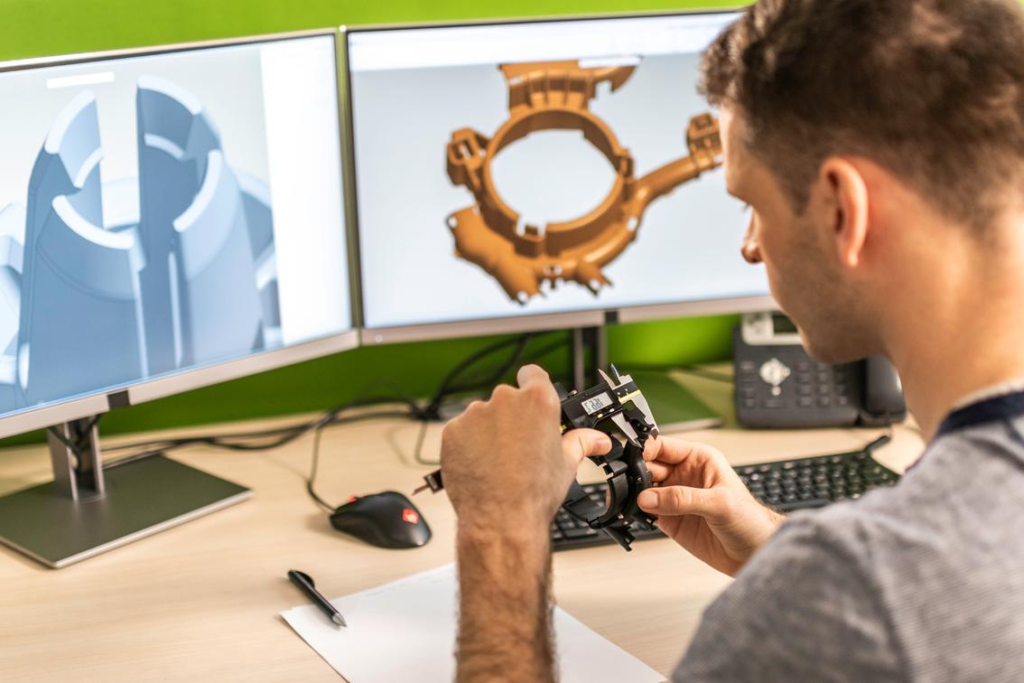
Develop the Initial CAD Design
Once the product requirements and material direction are established, the component can be developed as a 3D CAD model.
The design stage should consider both product functionality and manufacturability.
For injection molded plastic components, engineers typically evaluate:
-
Wall thickness
-
Draft angles
-
Ribs
-
Bosses
-
Fillets
-
Undercuts
-
Parting lines
-
Gate locations
-
Ejection requirements
-
Assembly features
-
Tolerances
A component can be functionally correct but still difficult or expensive to manufacture.
Designing with the manufacturing process in mind from the beginning can help reduce tooling complications and production problems.
Build a Prototype
A prototype provides the first opportunity to evaluate the physical product.
Depending on the development stage and requirements, prototypes can be produced using technologies such as:
-
3D printing
-
CNC machining
-
Prototype tooling
-
Soft tooling
-
Low volume molding
The appropriate method depends on what needs to be tested.
A 3D printed prototype may be useful for checking form, fit, ergonomics, and basic assembly. However, it may not accurately represent the mechanical, thermal, or surface characteristics of the final injection molded component.
For this reason, prototype selection should be based on the purpose of the test.
Test the Prototype
A prototype should be evaluated against the original product requirements.
Testing may include:
-
Dimensional inspection
-
Fit and assembly testing
-
Mechanical testing
-
Functional testing
-
Impact testing
-
Temperature testing
-
Chemical exposure
-
Wear testing
-
Environmental testing
The exact tests depend on the intended application.
Prototype testing can reveal issues such as interference between components, insufficient strength, dimensional variation, poor ergonomics, or unexpected material behavior.
Finding these problems during prototyping is generally easier than discovering them after production tooling has been completed.
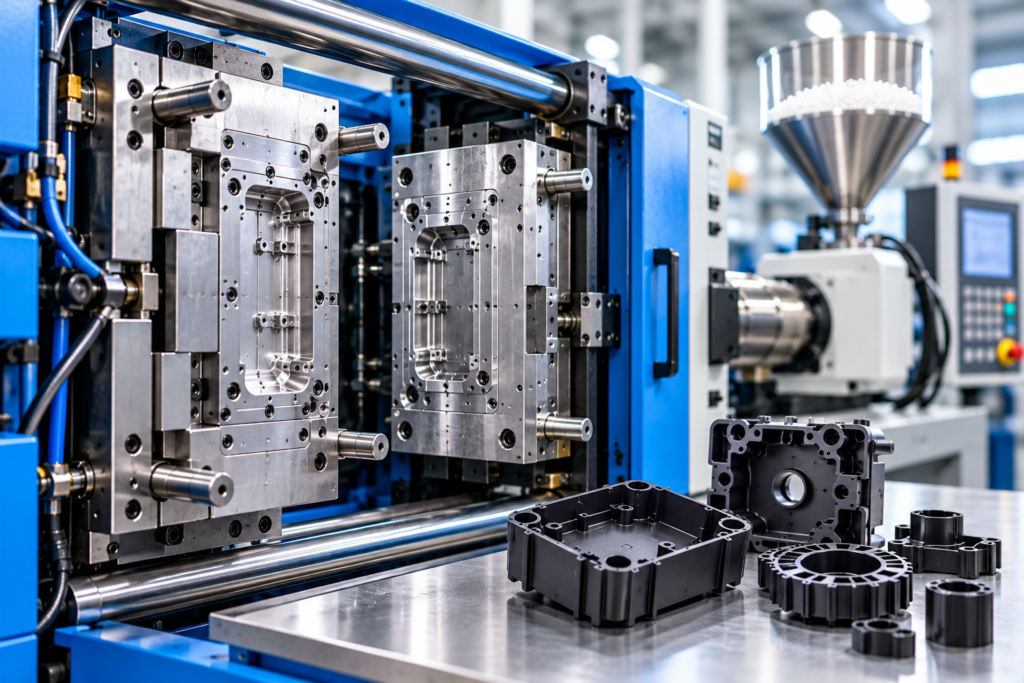
Finalize the Injection Mold Design
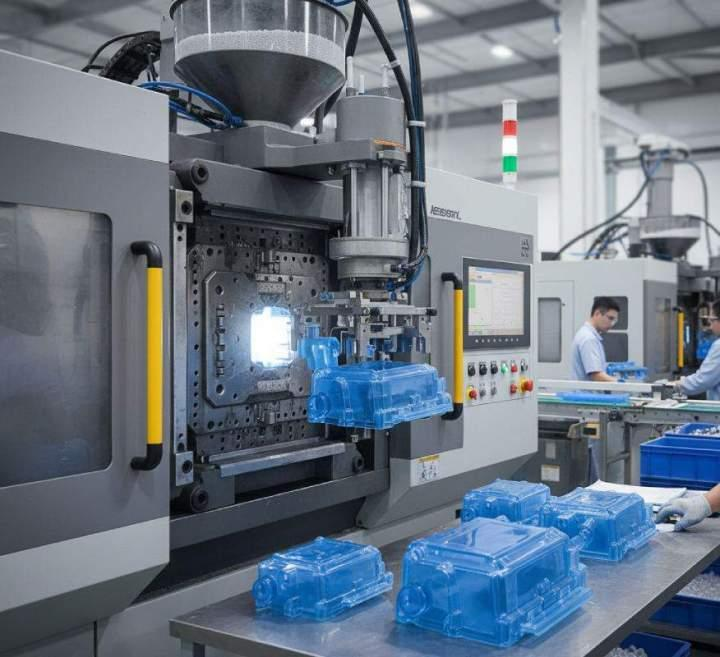
Once the component design has been validated, production tooling can be developed.
Injection mold design involves considerably more than creating a cavity that matches the part.
Important considerations include:
-
Number of cavities
-
Parting line
-
Gate type and location
-
Runner system
-
Cooling channels
-
Ejection system
-
Mold materials
-
Slides and lifters
-
Venting
-
Mold maintenance
-
Expected production volume
The number of cavities is particularly important for high volume production because it affects output per cycle, tooling cost, machine requirements, and production economics.
Cooling system design is also critical because cooling can represent a significant portion of the injection molding cycle.
Conduct Tool Trials
After the production mold is completed, the tool must be tested using the selected plastic material and appropriate processing conditions.
Initial tool trials can help identify issues involving:
-
Filling
-
Short shots
-
Flash
-
Weld lines
-
Sink marks
-
Warpage
-
Surface defects
-
Ejection
-
Dimensional accuracy
-
Cycle time
Process parameters such as injection speed, injection pressure, melt temperature, mold temperature, holding pressure, and cooling time may need to be adjusted.
The objective is to establish a stable molding process rather than simply producing one acceptable sample.
Validate the Production Part
Production validation confirms that the molded component meets its design and application requirements.
Dimensional inspection may be performed using appropriate measurement equipment, depending on the component and tolerance requirements.
Other validation activities may include:
-
First article inspection
-
Functional testing
-
Material verification
-
Assembly validation
-
Visual inspection
-
Process capability studies
-
Application specific testing
For critical components, a more comprehensive validation process may be required.
Documentation generated during validation also helps establish a baseline for future production.
Establish a Repeatable Manufacturing Process
A production ready plastic component requires more than an approved mold.
The manufacturing process should be controlled so that parts can be produced consistently over repeated production runs.
Important process controls can include:
-
Material handling
-
Resin drying where required
-
Machine setup
-
Mold temperature
-
Melt temperature
-
Injection pressure
-
Holding pressure
-
Cooling time
-
Cycle time
-
Part inspection
-
Process documentation
Process consistency is particularly important when production volumes are high.
A component that meets specifications during one trial but varies significantly between production runs is not a reliable production solution.
Scale Production
Once the product, tooling, and process have been validated, production can be scaled according to demand.
Production planning may involve determining:
Required machine capacity
Number of production shifts
Tooling capacity
Material requirements
Quality inspection frequency
Packaging requirements
Inventory levels
Delivery schedules
The transition from low volume production to higher volume manufacturing can also reveal new considerations around cycle time, automation, material handling, and production efficiency.
This is why scalability should be considered during the initial product development stage rather than only after the product reaches the market.
Moving a custom plastic product from prototype to production requires coordination between product design, material selection, engineering, tooling, injection molding, quality control, and production planning.
The most effective development approach considers function, material, manufacturability, tooling, and production requirements together rather than treating them as separate stages.
For companies developing custom plastic components, Foxx Technologies combines engineering and manufacturing capabilities to support projects from product development through plastic manufacturing and production. Its capabilities include engineering support, custom plastic component development, tooling and molding, precision manufacturing, and scalable production for applications across industries such as automotive, aerospace, electronics, industrial, retail, and consumer products.
The key is to address manufacturability early, validate the design before committing to full scale production, and build a process capable of delivering consistent results as production volumes grow.
Found this site through a friend and I am glad I did. The rewards system is very motivating. Give phjilibbcom a try!
Really enjoying the current promotions. The gameplay is fluid and the wins feel rewarding. Jump into pkq98 and see for yourself.
phxojili is surprisingly easy to navigate. I didn’t have any trouble setting up my account or finding my favorite games. Very smooth operation overall.
Found this place through a friend and it did not disappoint. The bonuses are actually fair and easy to claim on bdok999.
Just downloaded the app and the interface is super smooth. Really enjoying the experience so far. Check out 118betapk for a great time!
Very user friendly layout and the promotions are actually worth it. I feel lucky whenever I log in here. Check out luky97login
Really enjoying the slots here. The graphics are great and I’ve had a couple of decent wins today. Visit phjili95
Very reliable platform with a great selection of slots. I had a huge win yesterday on gg189login and the withdrawal was instant.
I appreciate the transparency and the clear terms of service. No hidden catches here. I feel safe betting on krcasinokrwin.
Finally found a site that actually treats players right. The bonuses at xjilicom are legit and easy to claim.