
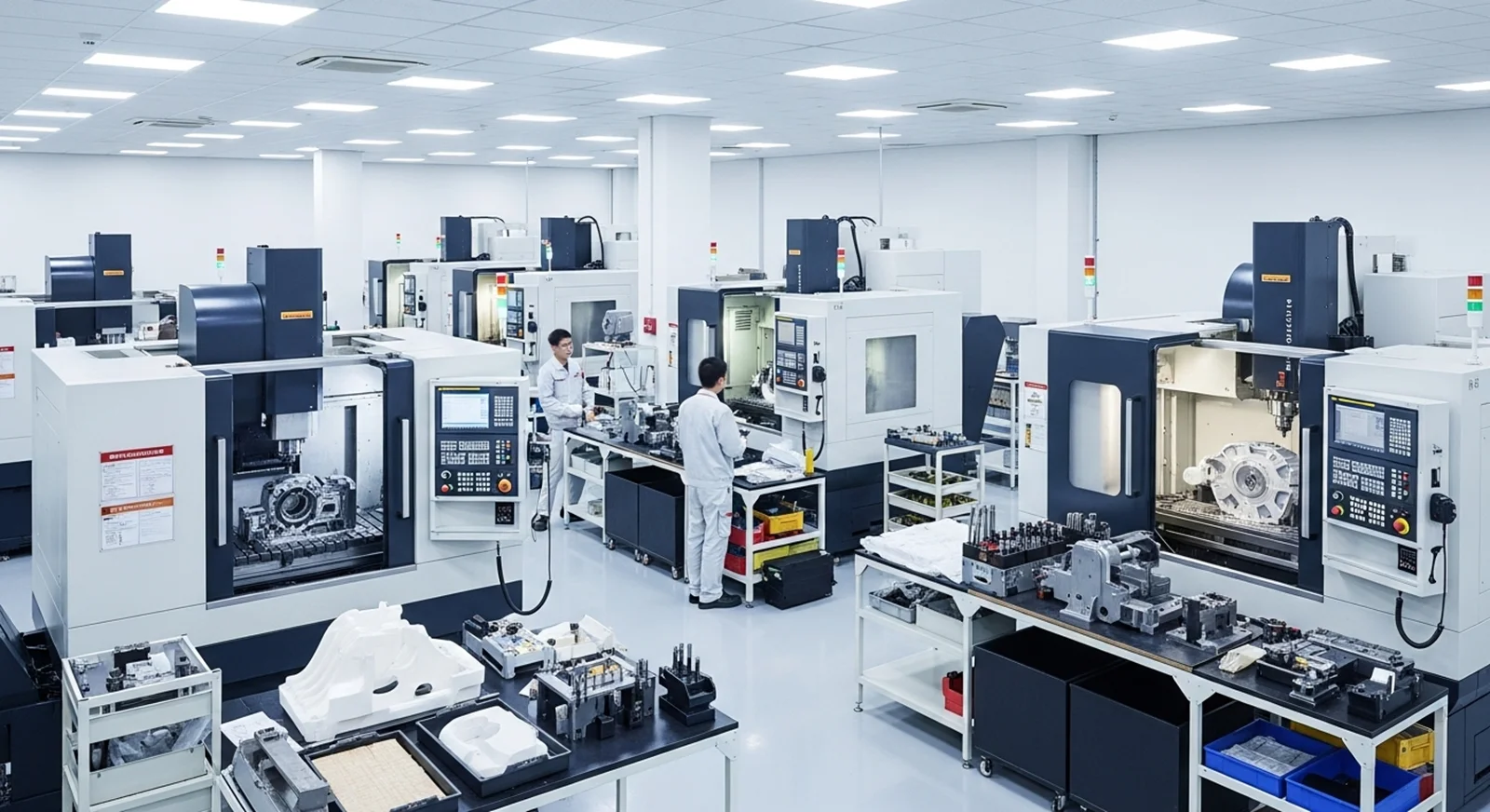
Manufacturers are under constant pressure to produce more parts in less time without sacrificing quality. Plastic machining has become one of the most reliable ways to meet that pressure head-on. Unlike processes that depend on tooling lead times or high-volume minimums, machining lets industrial teams move straight from a design file to a finished, functional part. That speed and flexibility are exactly why plastic machining now sits at the center of so many industrial production lines, from prototyping to full-scale part runs.
What Is Plastic Machining?
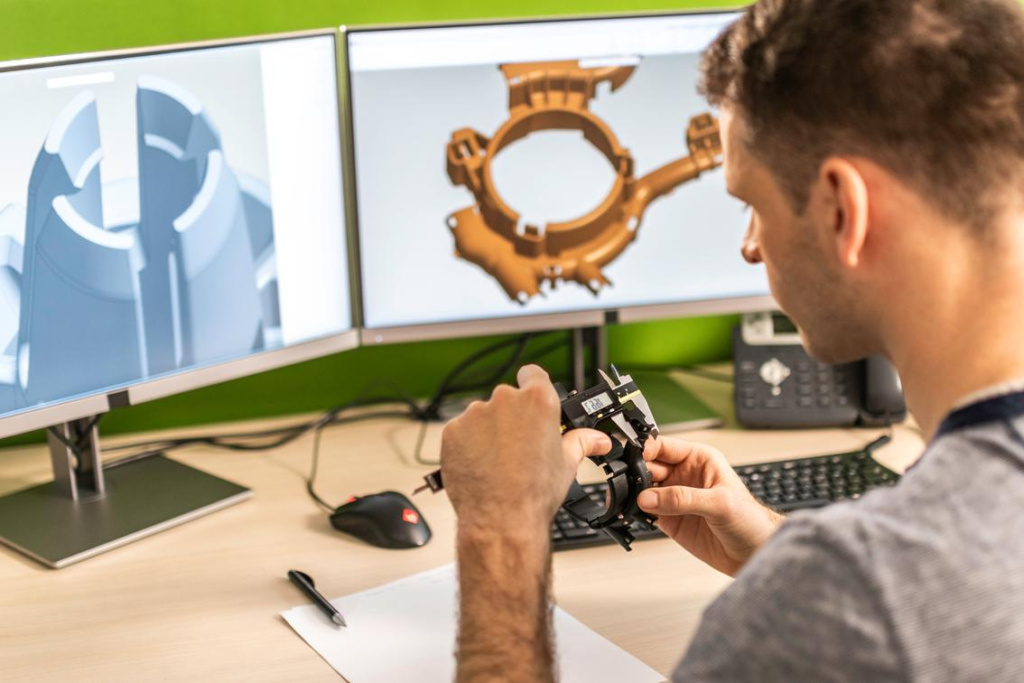
Plastic machining is the process of shaping raw plastic stock, such as rod, sheet, or block material, into a finished component by removing material with cutting tools. This is typically done on CNC (computer numerical control) equipment, which follows a digital design file to cut, drill, mill, or turn the plastic into precise geometries. Because the process is subtractive rather than mold-based, it does not require expensive tooling, which makes it practical for both single prototypes and mid-volume production runs. Common machined plastics include PEEK, PTFE, Delrin (acetal), nylon, and polycarbonate, each selected based on the mechanical, thermal, or chemical demands of the final application.
Why Industrial Teams Rely on Machined Plastic Components
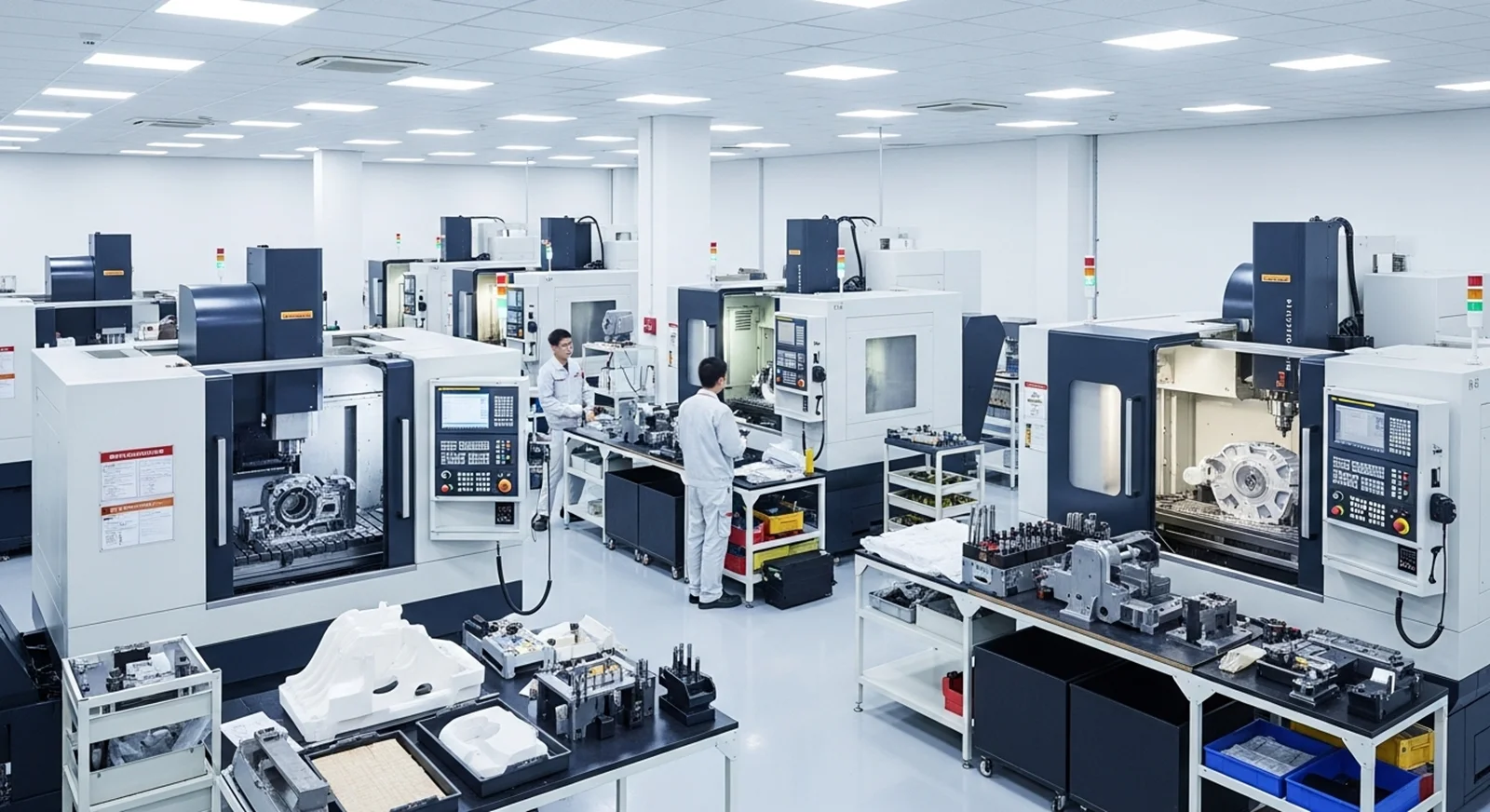
Industrial equipment often needs parts that can handle friction, chemical exposure, load-bearing stress, or repeated motion without adding unnecessary weight. Machined plastic components meet these needs while staying lighter and often more cost-effective than metal alternatives. Because CNC machining holds tight tolerances, parts fit correctly the first time, which reduces rework on the assembly line. This directly supports industrial production efficiency: fewer failed fits, fewer scrapped parts, and a shorter gap between design approval and a usable component in hand.
Technical Aspects That Drive Efficiency
A few technical factors make plastic machining especially efficient for industrial use. First, tight dimensional tolerances keep parts consistent across a full production run, which matters when components need to interface with metal housings, seals, or moving assemblies. Second, machining supports complex geometries, including internal threads, slots, and custom bores, that are difficult or costly to mold. Third, since no mold is required, engineering changes can be made quickly between design iterations without paying for new tooling. Finally, many industrial-grade plastics used in machining resist heat, chemicals, and wear, which extends the service life of the finished part and reduces replacement frequency.
Common Industrial Uses of Machined Plastic Parts
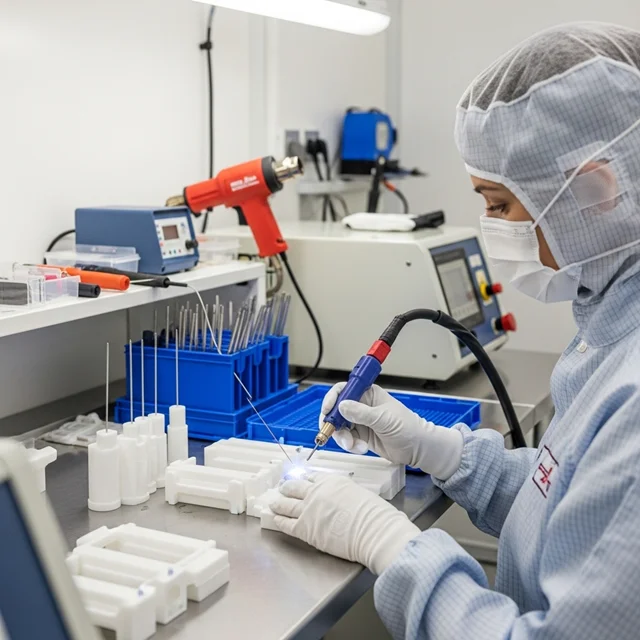
Plastic machining supports a wide range of industrial applications, including custom gaskets and seals, wear strips and bushings, structural brackets, fluid handling components, insulating parts for electrical assemblies, and low-friction bearings used in conveyor and automation systems. In electronics manufacturing, machined plastics are also used for precision housings and components that must meet exact tolerance and cleanliness standards. Teams evaluating a supplier for industrial plastic manufacturing should look closely at tolerance capability, material range, and turnaround time, since these three factors have the biggest impact on production efficiency.
How Machining Fits Into a Bigger Production Workflow
Plastic machining rarely works alone. It usually sits alongside other processes such as plastic design, rapid prototyping, molding, and assembly. A workflow that connects these steps under one process reduces the handoffs between vendors, which is often where delays and quality issues creep in. When design, machining, and assembly are managed together, industrial buyers get shorter lead times, easier engineering changes, and fewer surprises once parts reach the production floor. This is especially valuable for regulated or high-tolerance industries where documentation and traceability matter as much as the part itself.
Why It Stands Out
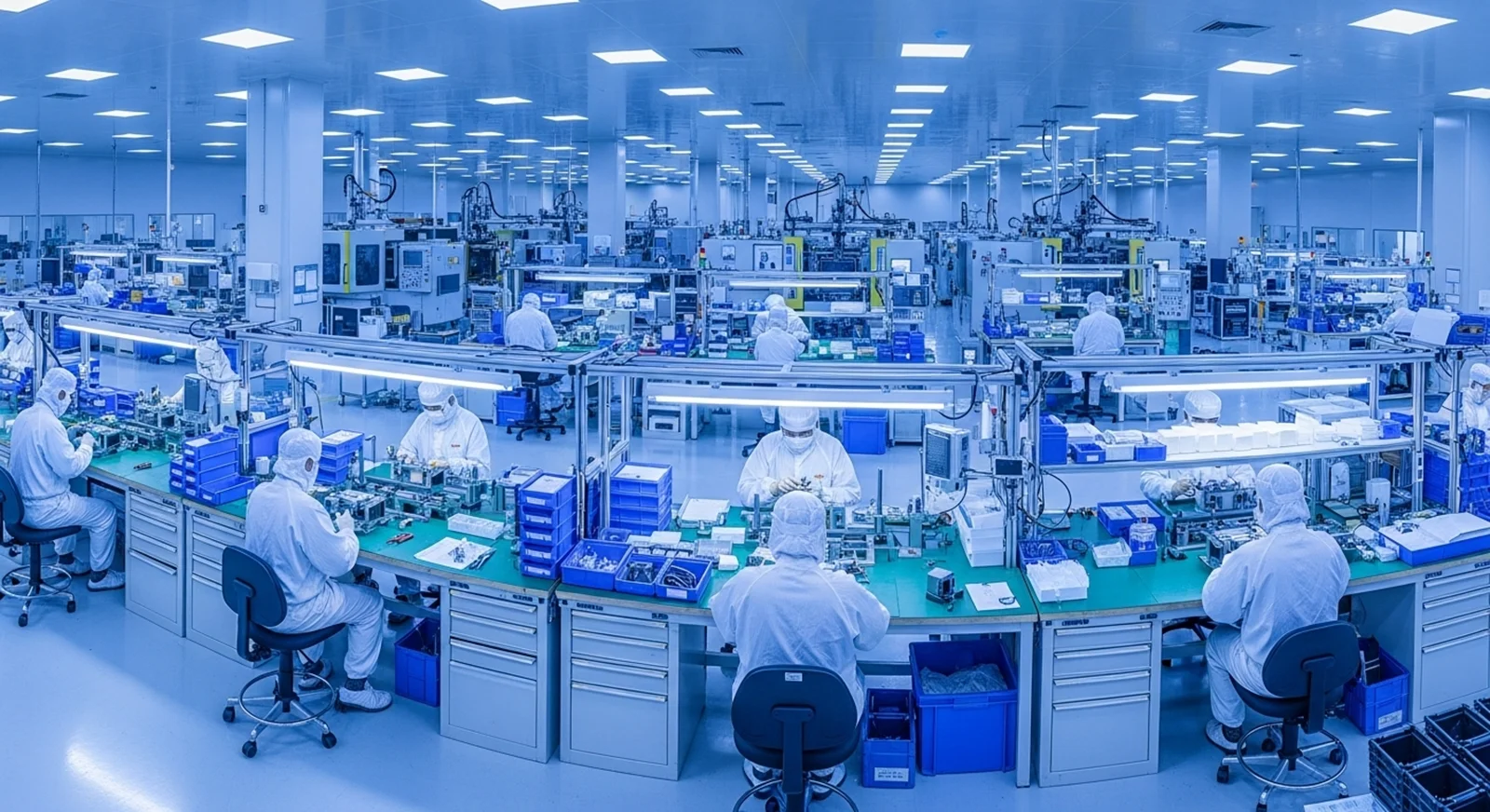
Foxx Technologies supports industrial and electronics manufacturers with CNC plastic machining backed by ISO-certified quality systems, cleanroom assembly, and in-house design support, helping teams cut lead times while holding tight, repeatable tolerances on every part.
Frequently Asked Questions
-
What materials are commonly used in plastic machining?
Common materials include PEEK, PTFE, Delrin, nylon, and polycarbonate. Material choice depends on required strength, chemical resistance, temperature tolerance, and the specific industrial application involved.
-
How is plastic machining different from injection molding?
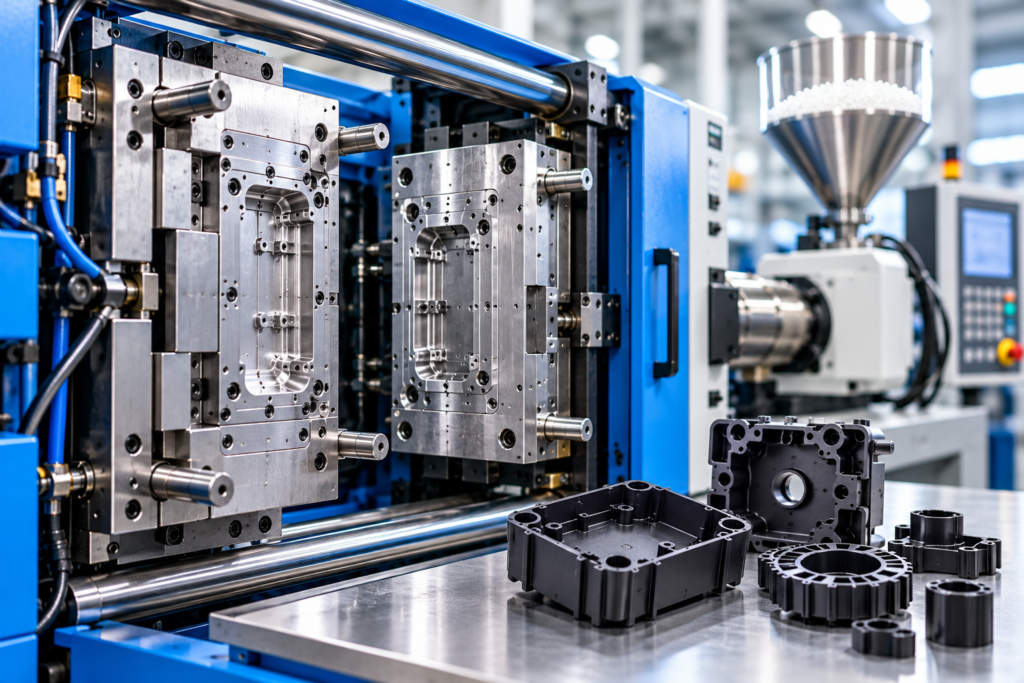
Machining removes material from solid stock without tooling, while molding injects melted plastic into a mold. Machining suits low volumes; molding suits large, repeatable production runs.
-
What tolerances can CNC plastic machining achieve?
Precision CNC machining routinely holds tolerances within a few thousandths of an inch, depending on material and part geometry, meeting demanding industrial and electronic assembly requirements.
-
Is plastic machining cost-effective for small production runs?
Yes. Since machining skips tooling costs entirely, it is often more economical than molding for prototypes, low-volume runs, and parts that require frequent design changes.
-
Which industries benefit most from plastic machining?
Industrial equipment, electronics, automotive, and medical sectors benefit most since they require durable, precise, lightweight components that standard metal parts often cannot match.
Related Resources
Explore related services: Plastic Machining | Plastic Molding | Prototyping | Clean Room Assembly
Industry pages: Industrial | Electronics
Found this site through a friend and I am glad I did. The rewards system is very motivating. Give phjilibbcom a try!
Really enjoying the current promotions. The gameplay is fluid and the wins feel rewarding. Jump into pkq98 and see for yourself.
phxojili is surprisingly easy to navigate. I didn’t have any trouble setting up my account or finding my favorite games. Very smooth operation overall.
Found this place through a friend and it did not disappoint. The bonuses are actually fair and easy to claim on bdok999.
Just downloaded the app and the interface is super smooth. Really enjoying the experience so far. Check out 118betapk for a great time!
Very user friendly layout and the promotions are actually worth it. I feel lucky whenever I log in here. Check out luky97login
Really enjoying the slots here. The graphics are great and I’ve had a couple of decent wins today. Visit phjili95
Very reliable platform with a great selection of slots. I had a huge win yesterday on gg189login and the withdrawal was instant.
I appreciate the transparency and the clear terms of service. No hidden catches here. I feel safe betting on krcasinokrwin.
Finally found a site that actually treats players right. The bonuses at xjilicom are legit and easy to claim.