What Is Plastic Design for Injection Molding?
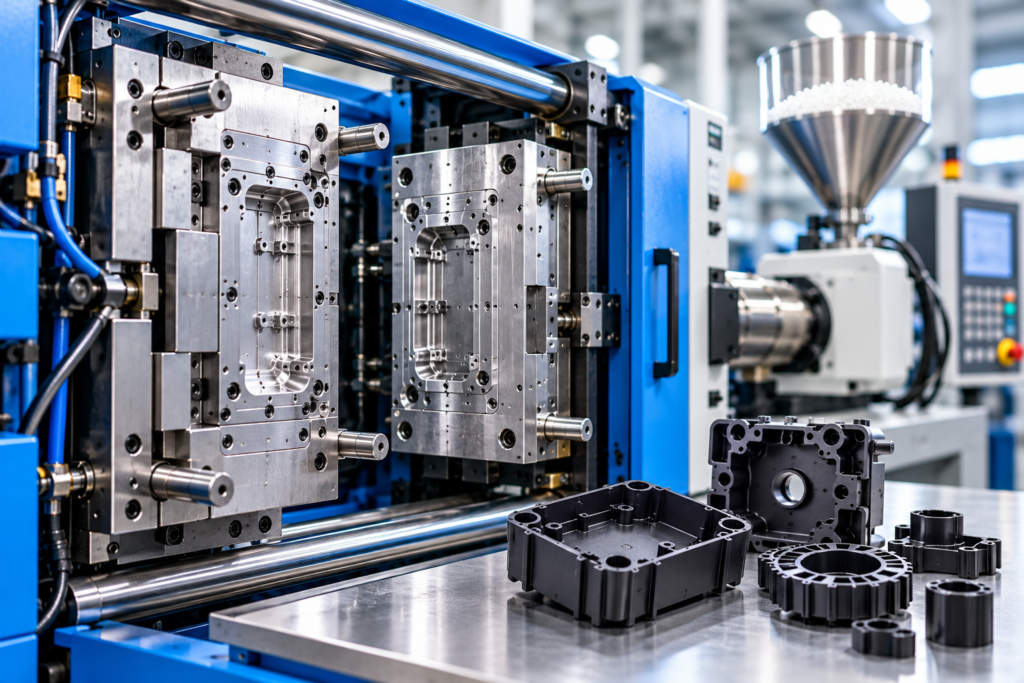
Plastic design for injection molding develops plastic components for consistent, efficient production and required performance. It combines product engineering, material selection, geometry, tolerance planning, and designing for manufacturability (DFM). Effective plastic design services consider molding, assembly, use, and repeated production. The goal is a production-ready part that balances strength, weight, appearance, cost, and manufacturability. CAD/CAM tools, 3D modeling, testing, and engineering analysis can identify design issues before tooling investment. This approach supports precision plastic components across aerospace, automotive, industrial, defense, electronics, and retail applications.
Key Injection Molding Design Guidelines
A successful injection-molded component. The part starts with geometry that supports reliable molding. Uniform wall thickness helps reduce sink marks, warpage, and uneven cooling. Draft angles help parts release from the mold, while properly designed ribs and bosses add support without excessive material. Rounded corners can reduce stress concentration and improve material flow. Gates, vents, ejector locations, parting lines, and other mold features should be reviewed during design. These details matter when developing custom plastic parts, precision molded components, and complex assemblies.
Material Selection and Mechanical Performance
Choosing the right polymer is a major part of plastic product design. Common engineering plastics include ABS, polycarbonate, nylon, PEEK, and specialty compounds. Selection depends on temperature, chemical exposure, impact resistance, stiffness, electrical requirements, dimensional stability, and regulatory needs. Designers should also consider shrinkage, flow characteristics, processing temperature, and service conditions. Engineering analysis can help evaluate stress, tolerances, and mechanical integrity. A suitable resin combined with practical geometry can improve durability while reducing material waste and production problems.
Design for Manufacturability and Production Efficiency
Design for manufacturability is essential for repeat production. DFM reviews identify features that may increase tooling complexity, cycle time, scrap, or assembly difficulty. Designers should evaluate moldability, undercuts, wall sections, draft, tolerances, inserts, and assembly requirements before finalizing the design. Product engineering can simplify multi-component assemblies by integrating functional features where practical. Prototyping allows teams to test fit, function, ergonomics, and performance before production tooling, reducing the risk of expensive design changes.
CAD, Simulation, Prototyping, and Validation
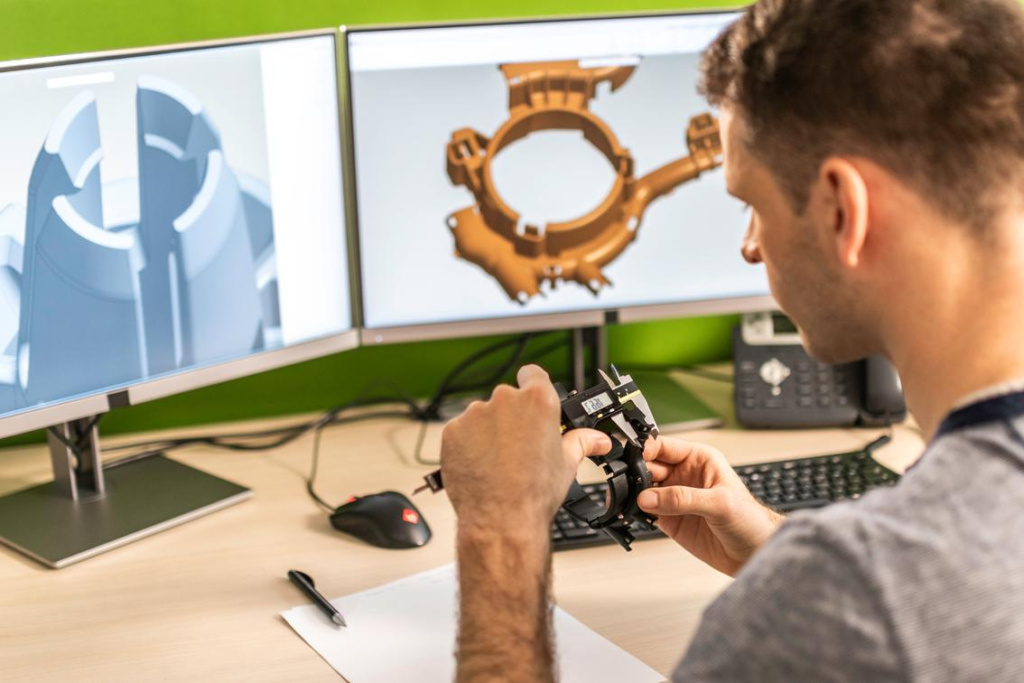
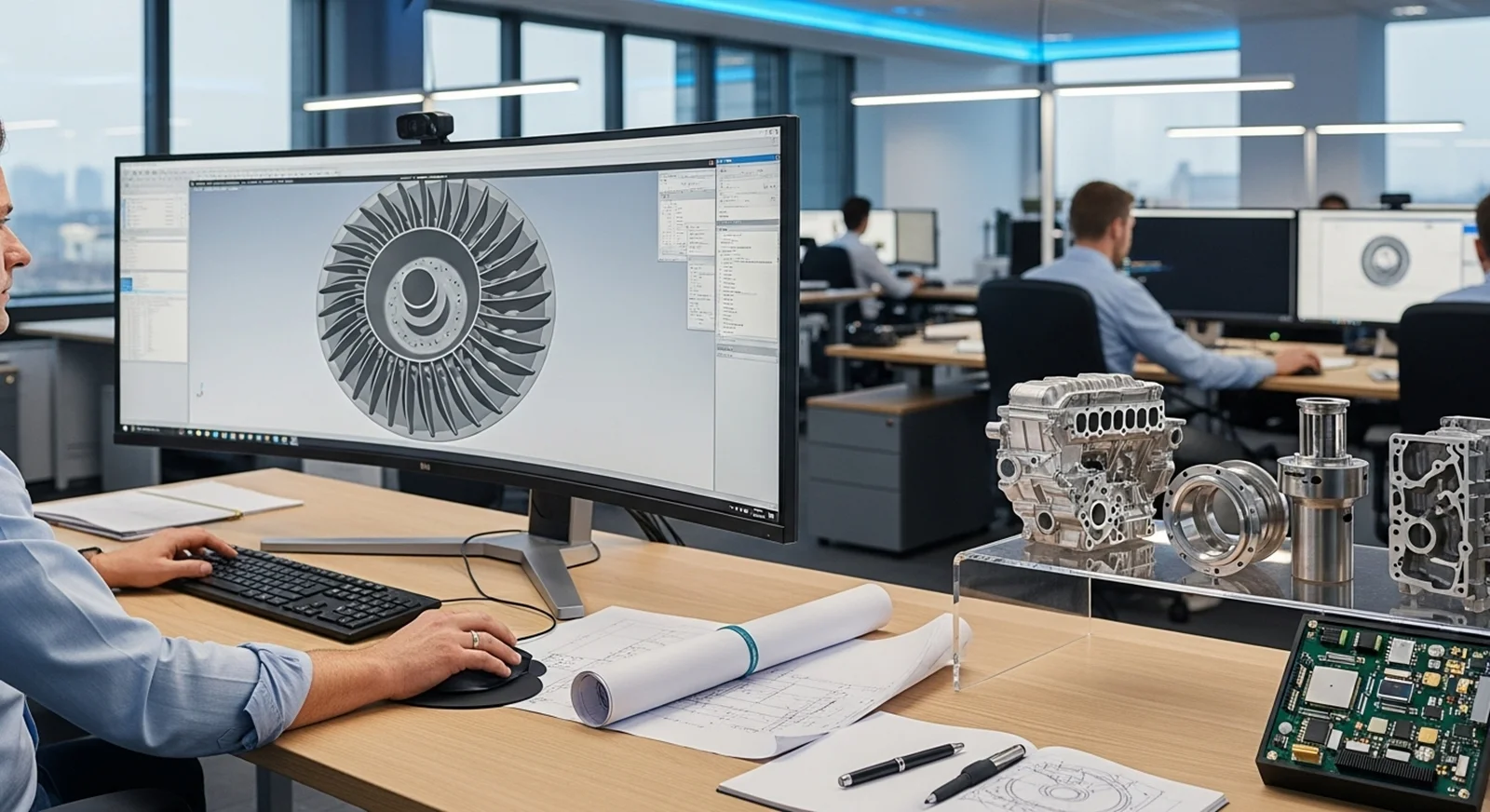
Modern plastic design services use digital workflows to move from concept to production-ready geometry. 3D CAD supports accurate part development, while CAD/CAM integration connects design intent with manufacturing requirements. Mold flow analysis can identify filling, cooling, and warpage concerns. Structural simulation evaluates stress and deformation, while tolerance analysis helps verify assembly. Rapid prototypes provide physical feedback that digital models cannot always reveal, supporting faster iteration and more predictable manufacturing.
Applications Across Key Industries
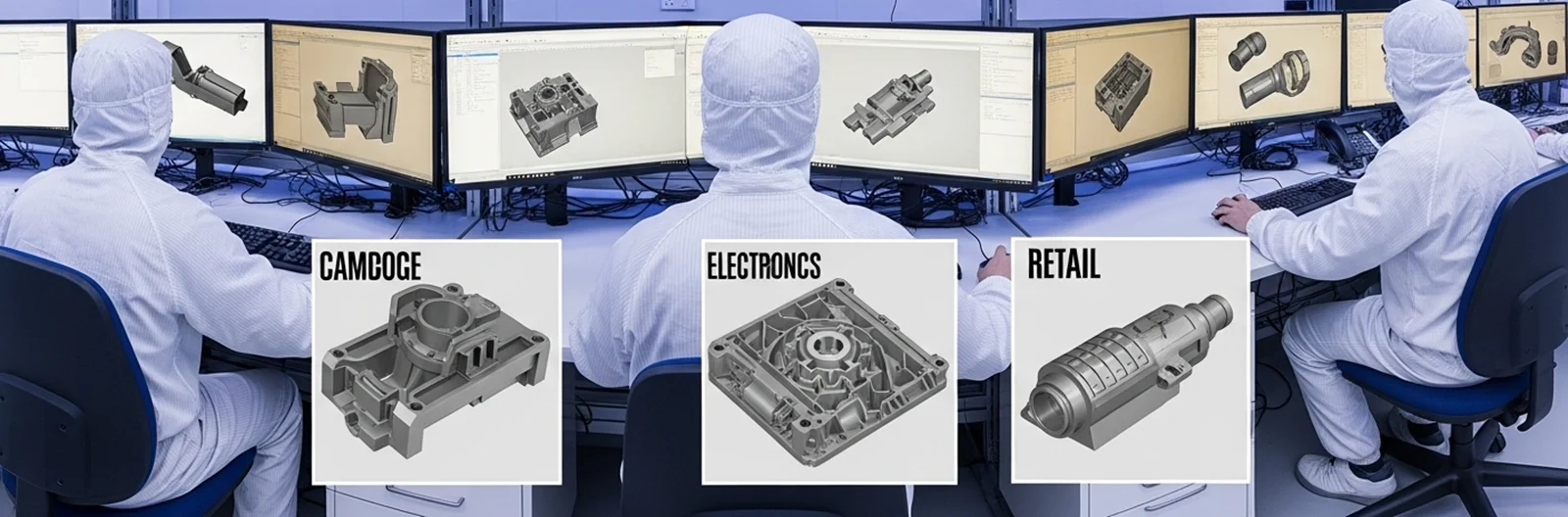
Plastic design is used wherever lightweight, durable, repeatable, and cost-effective components are required. Aerospace applications may require lightweight structures and strict dimensional control. Automotive parts often demand durability, chemical resistance, and high-volume manufacturability. Industrial equipment can require wear resistance and complex component integration. Defense applications may require robust performance under demanding conditions, while electronics frequently need precise housings, insulation, and functional interfaces. Retail products may prioritize appearance, ergonomics, assembly, and scalable production. Across these sectors, industrial design, product development, and precision engineering work together to convert concepts into usable plastic components.
Why This Plastic Design Service Is Special
The service combines design and engineering, DFM/DFA optimization, polymer expertise, simulation, rapid prototyping, and production-focused validation for precise plastic components.
Best Practices for Better Plastic Parts
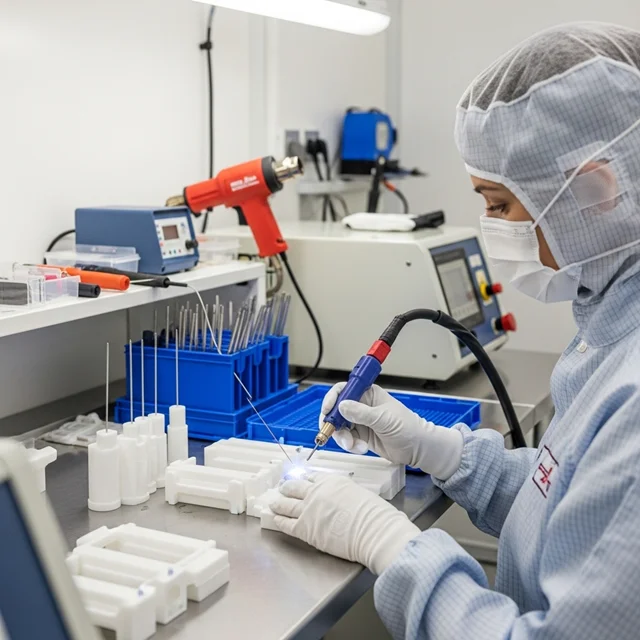
The strongest designs consider manufacturing from the beginning. Define functional requirements, select the polymer early, establish realistic tolerances, maintain suitable wall sections, add draft, control ribs and bosses, and review mold features before tooling. Prototype critical features and validate fit and function before production. Documentation and traceability are also important for applications with industry-specific quality requirements. An experienced plastic design team can connect industrial design, product engineering, product development, molding, machining, welding, and assembly into an efficient development process.
Frequently Asked Questions
What is plastic design?
Plastic design is the engineering process of creating plastic components with suitable geometry, materials, tolerances, performance, and manufacturing requirements.
Why is DFM important for injection molding?
DFM identifies design features that can cause molding, tooling, assembly, or quality problems before production, helping reduce defects and costly modifications.
Which materials are used in plastic design?
Common options include ABS, polycarbonate, nylon, PEEK, and specialty polymers selected according to temperature, strength, chemical, electrical, and dimensional requirements.
How does prototyping improve plastic product development?
Prototyping allows teams to evaluate fit, function, ergonomics, tolerances, and performance before investing in production tooling or final manufacturing processes.
What industries use precision plastic design services?
Precision plastic design supports aerospace, automotive, industrial, defense, electronics, and retail applications requiring reliable, manufacturable plastic-molded components. components. injection-molded