
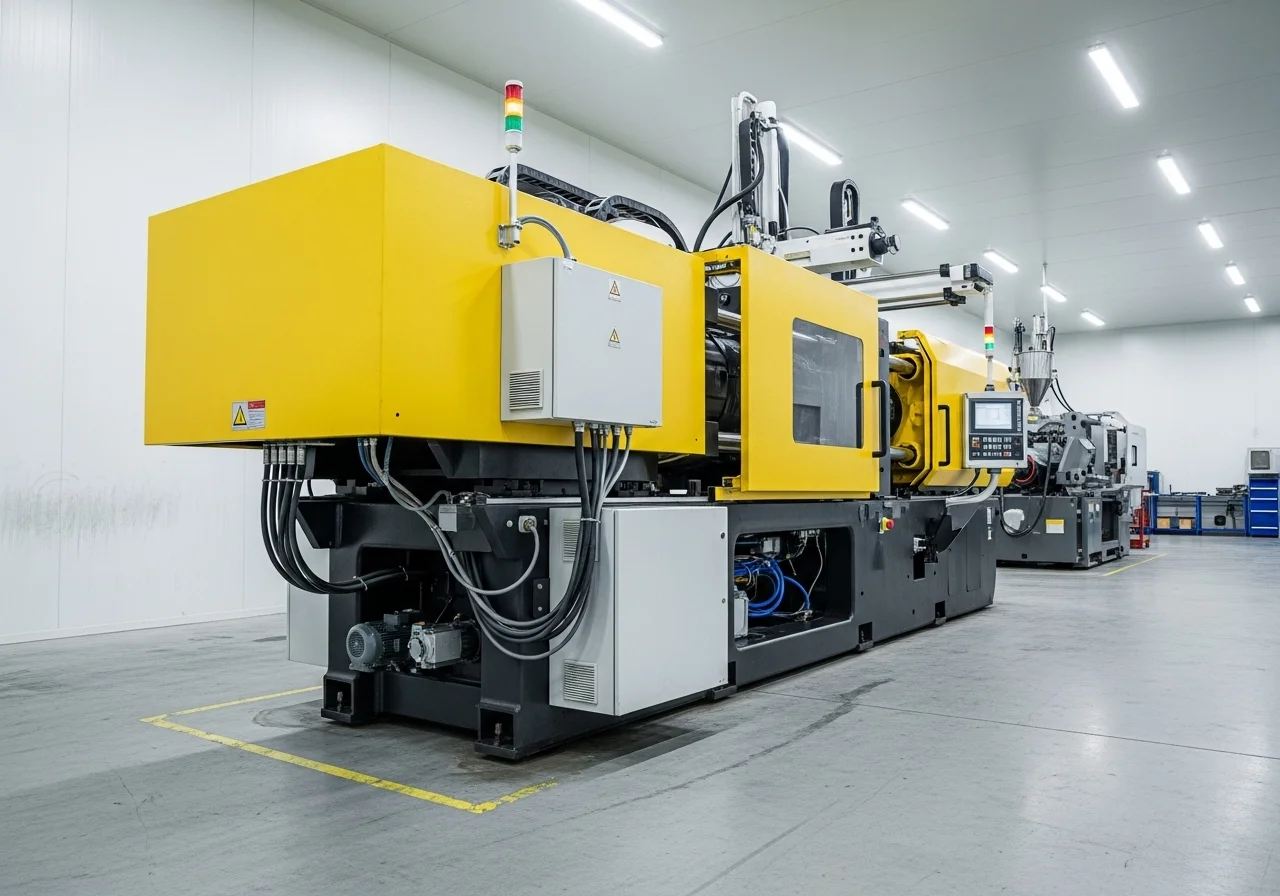
Plastic molding is a manufacturing method that shapes raw plastic material into finished or semi-finished parts using heat, pressure, and a pre-built mold cavity. It’s the backbone of modern product manufacturing, showing up in everything from car dashboards to medical device housings to retail packaging. If you’ve ever picked up a plastic part with a clean finish, tight seams, and consistent wall thickness, there’s a good chance a plastic molding process made it. This article breaks down how it works, the main types available, why manufacturers rely on it, and where it’s used, without getting into brand-specific jargon.
What Is Plastic Molding, Exactly?
At its core, plastic molding involves heating plastic resin until it’s soft or molten, then forcing it into a mold shaped like the desired part. Once it cools and hardens, the mold opens and the part is ejected. Sounds simple, but the real work happens in the details: the mold design, the resin selection, the pressure control, and the cooling time all affect the final part’s strength, tolerance, and finish. This is why working with an experienced plastic molding manufacturer matters more than most buyers realize.
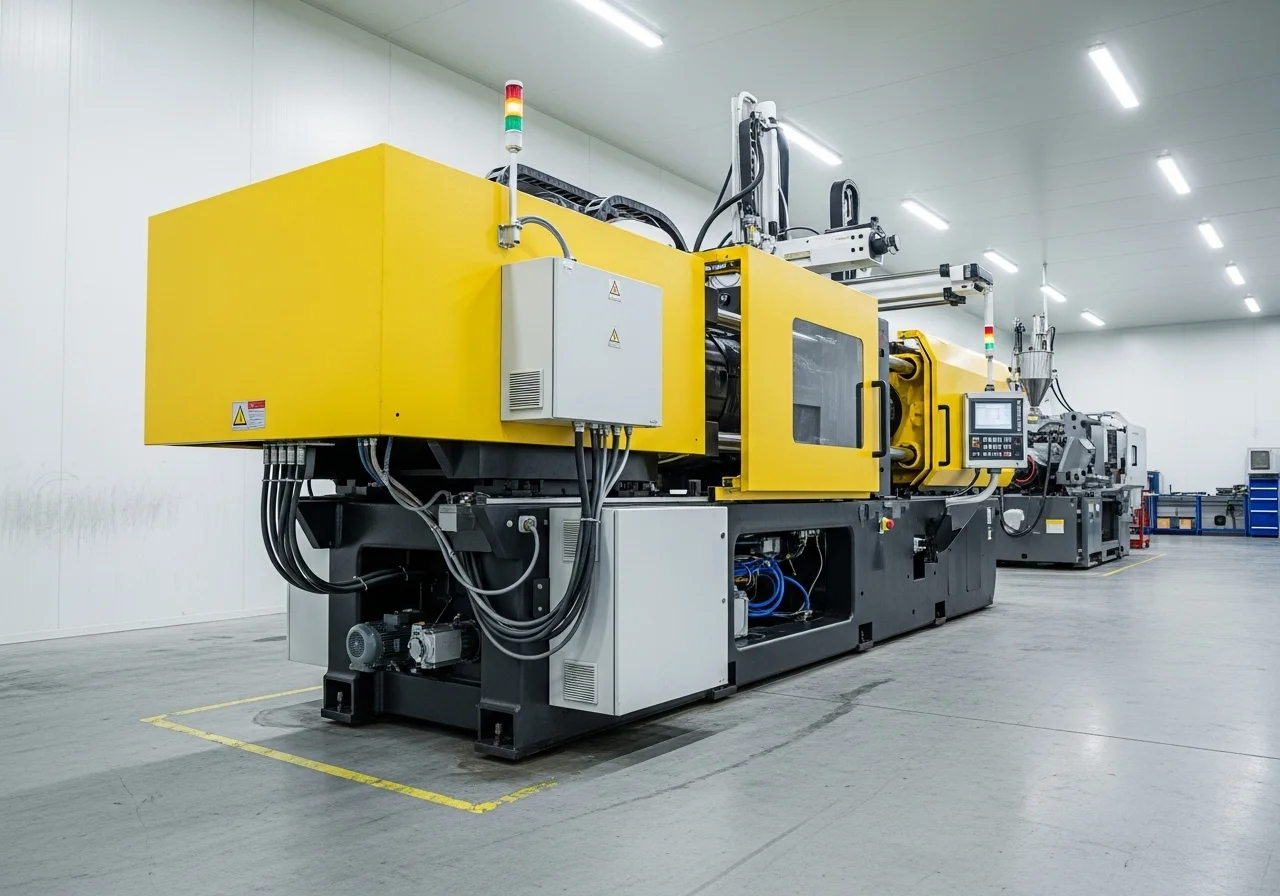
The Plastic Molding Process Explained
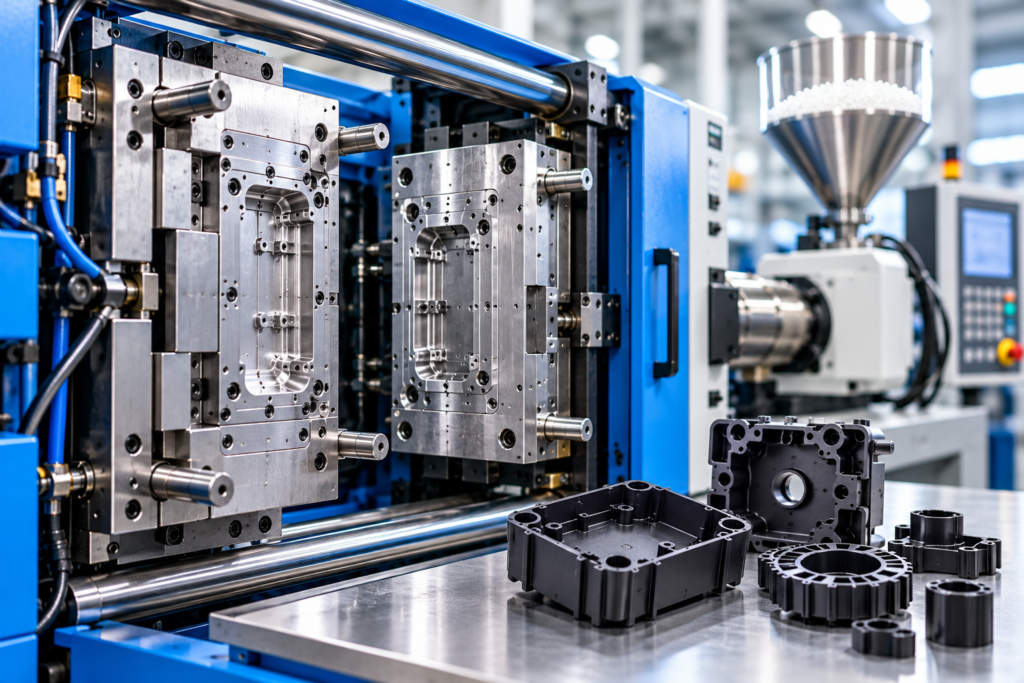
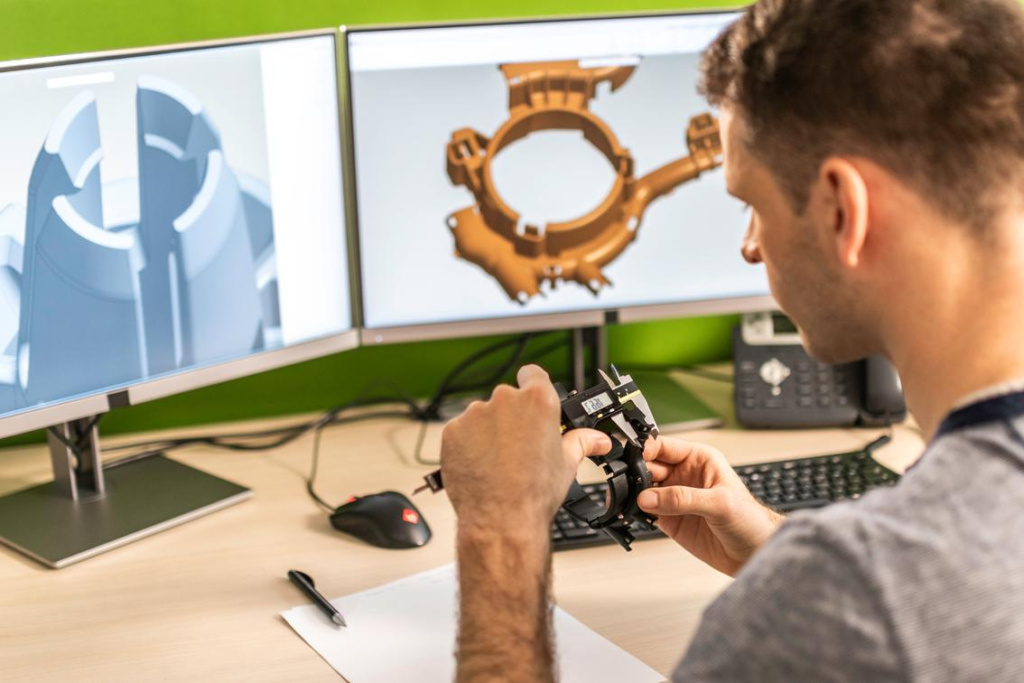
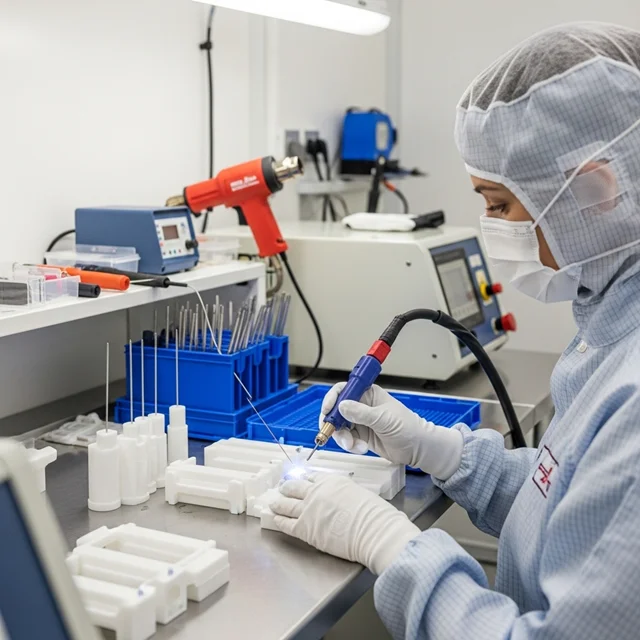
The typical process starts with converting a 3D design into mold tooling, usually steel or aluminum. Resin pellets are fed into a heated barrel, melted, and injected or blown into the mold under controlled pressure. After a cooling cycle, the part is released and moves to trimming, inspection, or assembly. For applications needing contamination control, this entire sequence can run inside cleanroom-classified environments, which matters heavily for plastic molding services supporting aerospace, defense, and electronics parts where dust and particulate exposure isn’t an option.
Types of Plastic Molding
There isn’t one single technique that covers every part. The main categories include:
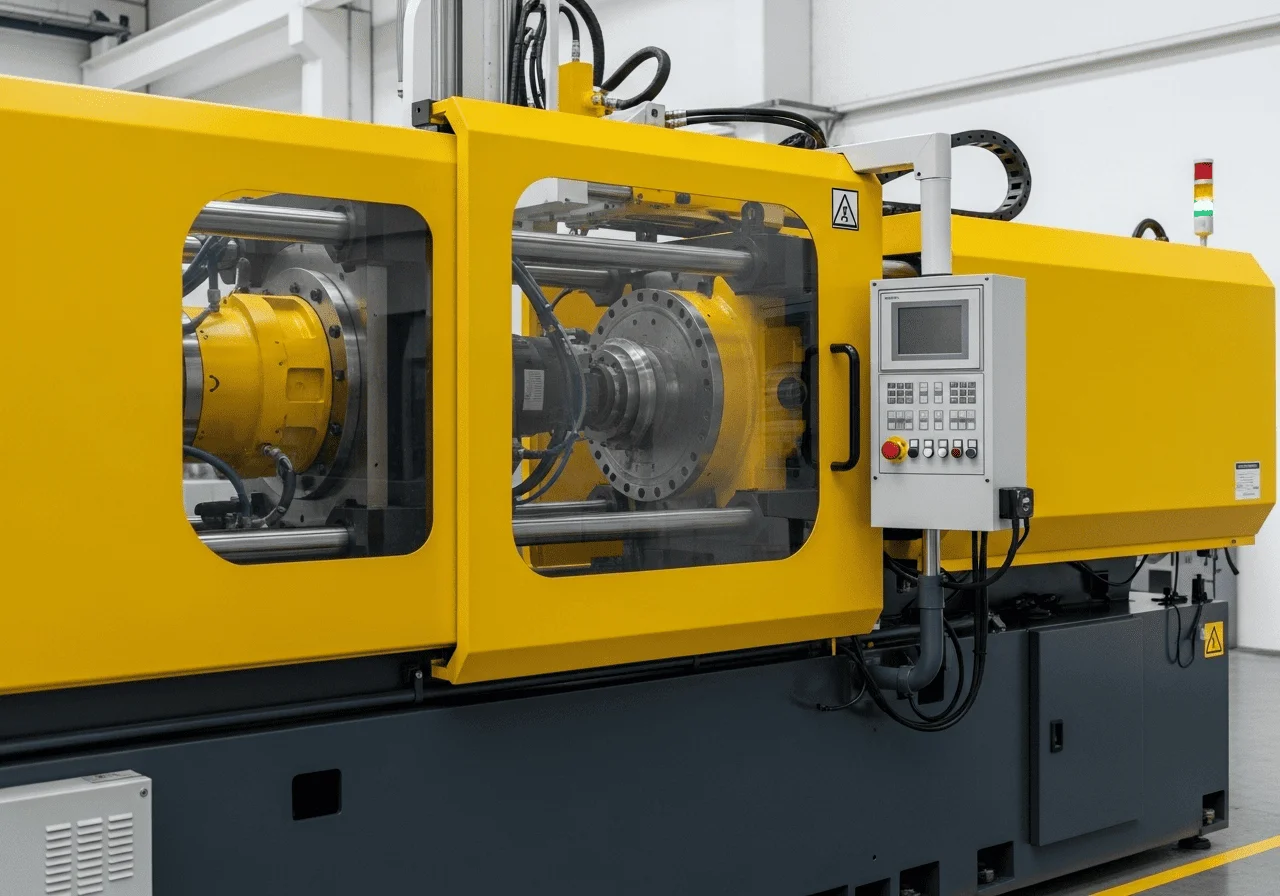
Plastic injection molding : molten resin is injected into a closed mold under high pressure, ideal for complex geometries and tight tolerances. This is the most widely used method for high-volume, precision parts.
Blow molding: used for hollow components like containers and enclosures, where air pressure expands molten plastic against the mold walls for consistent wall thickness.
Extrusion blow molding: it combines continuous extrusion with blow molding, suited for large-volume production of hollow shapes with repeatable quality.
Each type serves a different purpose, and choosing the right one depends on part geometry, volume, and material requirements.
Benefits of Custom Plastic Molding
Custom plastic molding gives manufacturers design flexibility that generic, off-the-shelf parts can’t match. Benefits include repeatable precision across large production runs, the ability to work with engineering-grade and high-temperature polymers, reduced material waste compared to machining, and faster time-to-market once tooling is finalized. It also supports intricate, thin-wall, and multi-cavity designs that would be difficult or expensive to achieve through other manufacturing methods.
Applications Across Industries
Plastic molded components show up almost everywhere. Aerospace and defense rely on it for lightweight, mission-critical parts that must meet strict compliance standards. Automotive manufacturers use it for interior and under-the-hood components requiring durability. Electronics need precision-molded housings and connectors. Industrial and retail sectors use it for everything from equipment casings to packaging. Injection molding services in particular are valued across these sectors because of their consistency at scale.
Why Foxx Technologies Is Special
Foxxtechnologies operates Class 7 cleanroom molding facilities across the USA and India, combining in-house injection and blow molding expertise to deliver tight-tolerance, high-durability components for aerospace, defense, automotive, and electronics applications. Learn more here.
FAQs
-
What is plastic molding used for?
It’s used to manufacture parts across aerospace, automotive, defense, electronics, industrial, and retail sectors, producing everything from housings to structural components with consistent precision.
-
What’s the difference between injection molding and blow molding?
Injection molding forces molten plastic into a solid mold for solid parts, while blow molding uses air pressure to shape hollow components like containers and enclosures.
-
Why choose custom plastic molding over standard parts?
Custom molding allows tailored geometries, specific material properties, and tighter tolerances suited to unique applications that off-the-shelf parts simply cannot accommodate.
-
Is cleanroom plastic molding necessary?
Yes, for industries like aerospace, defense, and electronics, cleanroom molding prevents particulate contamination, ensuring components meet strict safety and performance standards.
-
How do I choose a plastic molding manufacturer?
Look for facility certifications, cleanroom capability, material expertise, and a proven track record across regulated industries like aerospace, defense, and automotive.
Found this site through a friend and I am glad I did. The rewards system is very motivating. Give phjilibbcom a try!
Really enjoying the current promotions. The gameplay is fluid and the wins feel rewarding. Jump into pkq98 and see for yourself.
phxojili is surprisingly easy to navigate. I didn’t have any trouble setting up my account or finding my favorite games. Very smooth operation overall.
Found this place through a friend and it did not disappoint. The bonuses are actually fair and easy to claim on bdok999.
Just downloaded the app and the interface is super smooth. Really enjoying the experience so far. Check out 118betapk for a great time!
Very user friendly layout and the promotions are actually worth it. I feel lucky whenever I log in here. Check out luky97login
Really enjoying the slots here. The graphics are great and I’ve had a couple of decent wins today. Visit phjili95
Very reliable platform with a great selection of slots. I had a huge win yesterday on gg189login and the withdrawal was instant.
I appreciate the transparency and the clear terms of service. No hidden catches here. I feel safe betting on krcasinokrwin.
Finally found a site that actually treats players right. The bonuses at xjilicom are legit and easy to claim.