
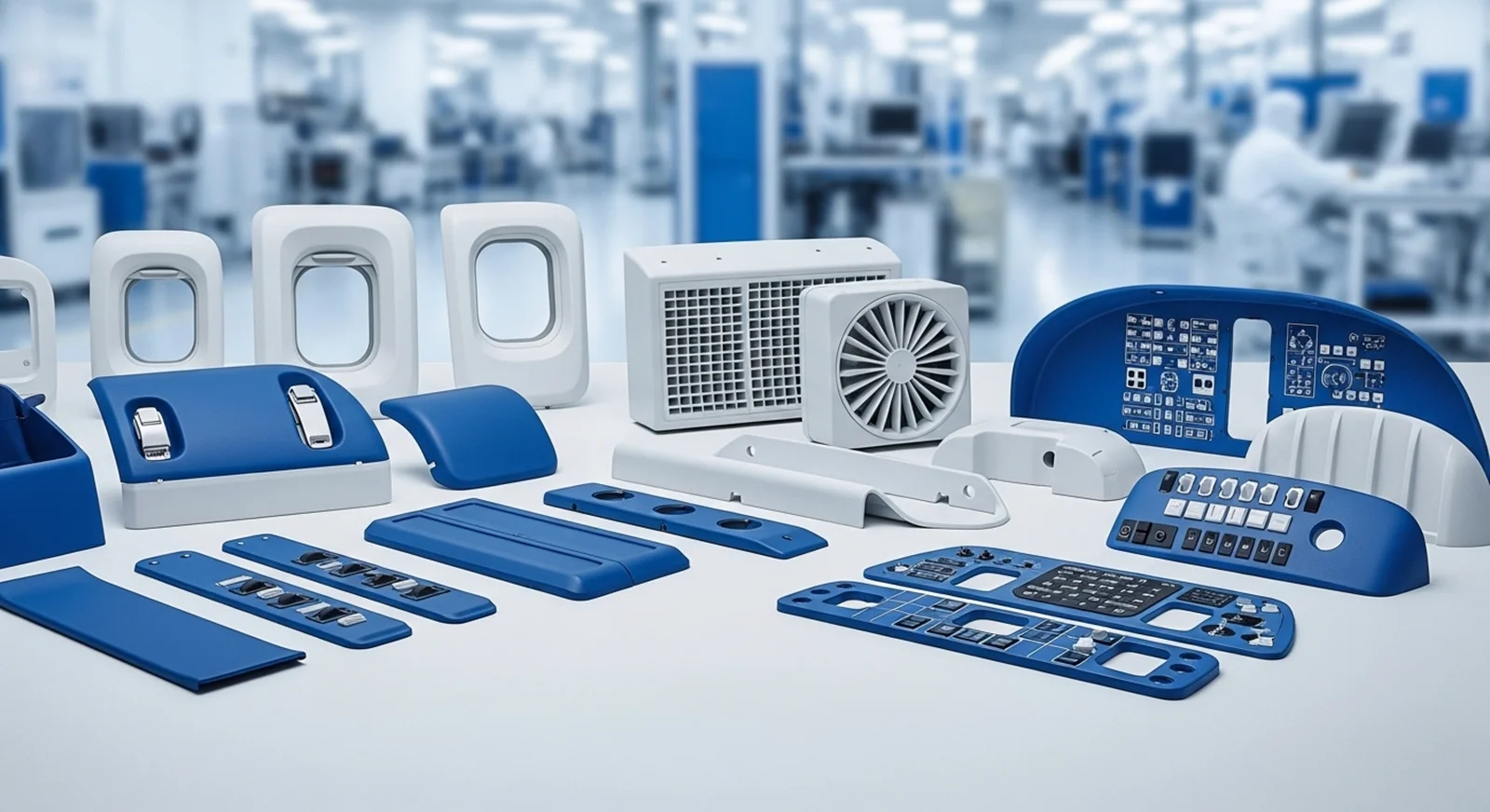
The aerospace industry demands components that combine precision, durability, lightweight performance, and regulatory compliance. As aircraft systems become more advanced and fuel-efficiency requirements continue to increase, manufacturers are turning to CNC plastic machining to produce high-performance components that meet stringent aerospace standards. From prototype development to full-scale production, CNC machining enables aerospace manufacturers to create complex plastic parts with exceptional accuracy and consistency.
Unlike traditional manufacturing methods, CNC plastic machining uses computer-controlled equipment to remove material from engineered plastics and create highly detailed components. This process is particularly valuable in aerospace applications where dimensional accuracy, weight reduction, and material performance directly affect operational reliability and safety. Modern aerospace programs increasingly utilize advanced polymers such as PEEK, PTFE, Ultem, and other aerospace-grade plastics because they offer excellent strength-to-weight ratios and resistance to heat, chemicals, and environmental stress.
Why Aerospace Manufacturers Choose CNC Plastic Machining
One of the primary advantages of CNC plastic machining is the ability to manufacture lightweight components without compromising structural performance. Weight reduction remains a critical objective in aerospace engineering because lighter aircraft consume less fuel and generate lower operating costs. High-performance plastic materials provide an effective alternative to heavier metal components in many applications, helping manufacturers improve overall aircraft efficiency.
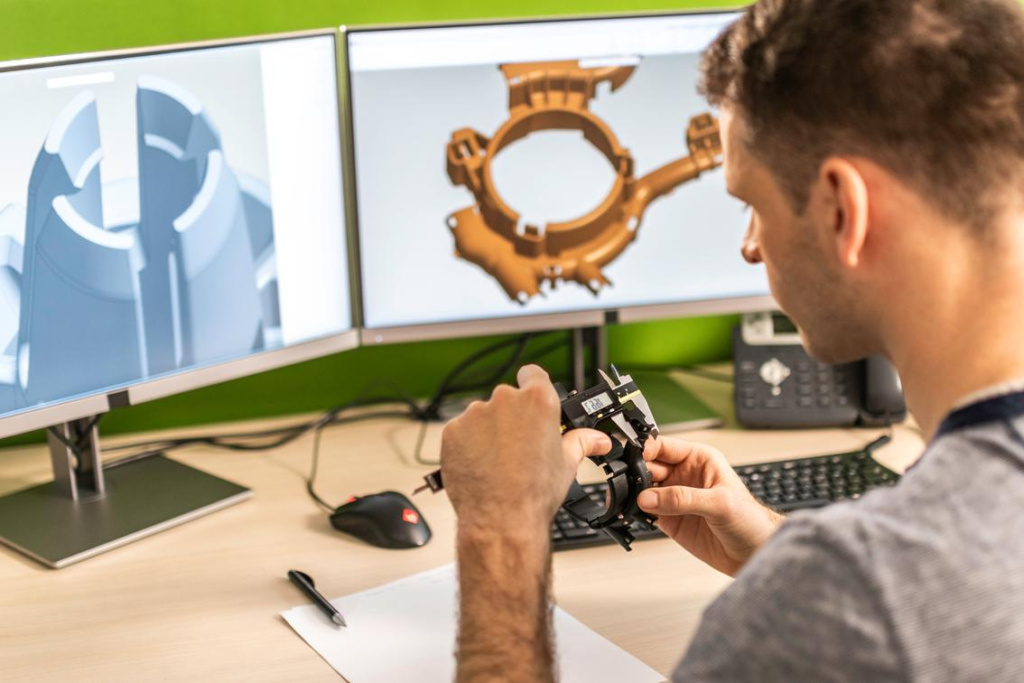
Another significant benefit is precision. Aerospace assemblies often require tight tolerances and complex geometries that must fit seamlessly within larger systems. CNC machining technology delivers repeatable accuracy, ensuring that every component meets exact design specifications. Whether producing brackets, housings, insulators, fluid management components, or interior aircraft parts, CNC machining provides the consistency required for mission-critical applications.
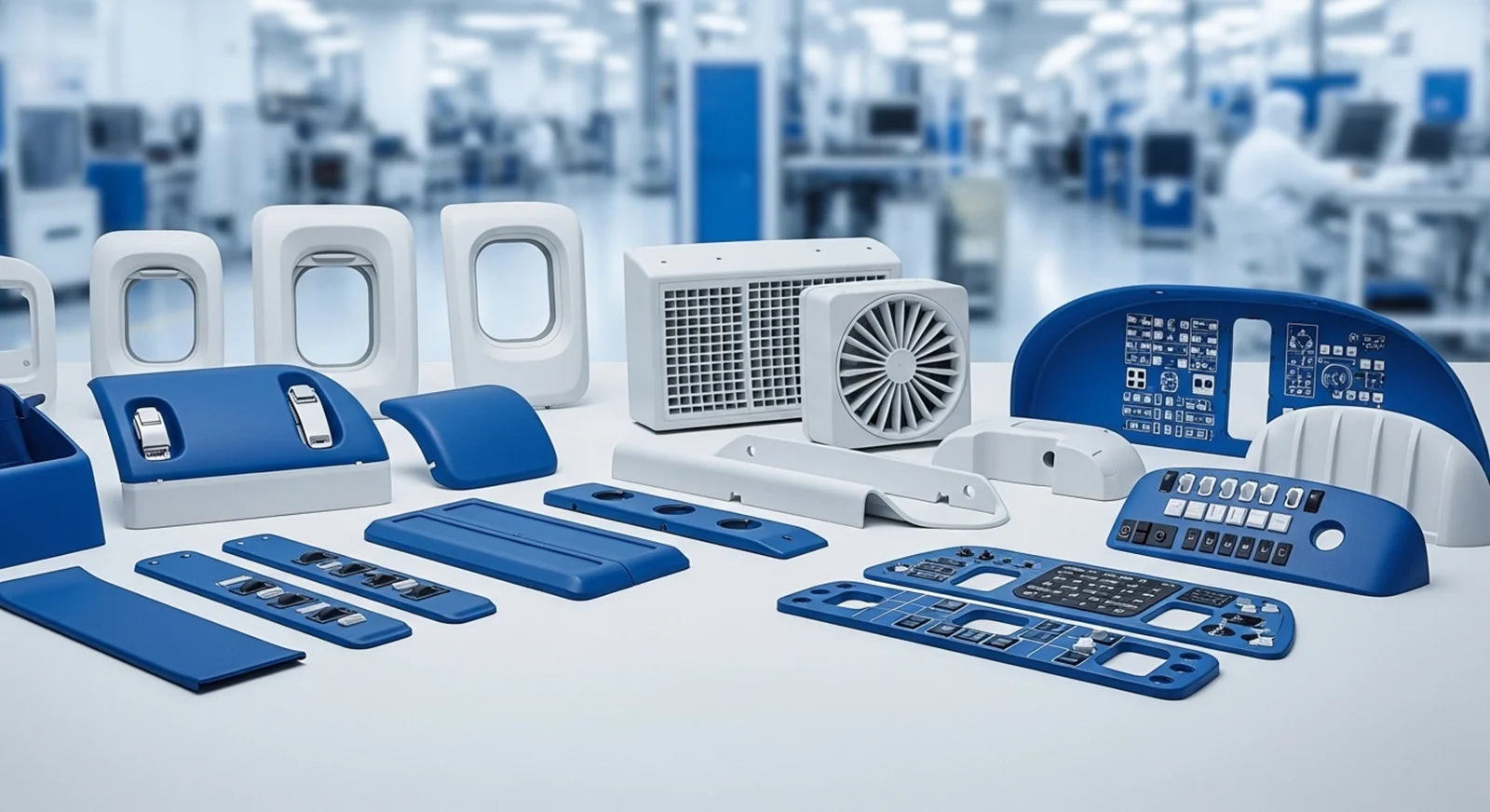
High-Performance Materials for Aerospace Applications
The success of aerospace plastic components depends heavily on material selection. Engineering plastics used in aerospace environments must withstand extreme temperatures, vibration, pressure fluctuations, and exposure to chemicals. Materials such as PEEK, PTFE, PPS, Ultem, and fluoropolymers offer exceptional mechanical properties while maintaining low weight.
These advanced polymers provide benefits, including:
-
Excellent thermal stability
-
High chemical resistance
-
Electrical insulation properties
-
Low moisture absorption
-
Superior wear resistance
-
Reduced maintenance requirements
When combined with CNC plastic machining, these materials can be transformed into highly specialized components that perform reliably in demanding aerospace environments.
Prototype Development and Production Flexibility
Aerospace projects often require extensive testing and validation before production begins. CNC plastic machining supports rapid prototyping, allowing engineers to evaluate designs, verify performance, and make modifications quickly. This capability helps reduce development timelines while minimizing costly design errors.
Once a design is approved, the same machining process can seamlessly transition into low-volume or production manufacturing. This flexibility is especially valuable for aerospace programs where production quantities may vary significantly from project to project. CNC machining enables manufacturers to maintain quality standards throughout the entire product lifecycle while reducing lead times and improving responsiveness.
Quality, Compliance, and Reliability
Aerospace manufacturing requires strict quality control procedures. CNC plastic machining supports these requirements through automated programming, repeatable processes, and detailed inspection protocols. Modern machining systems ensure dimensional consistency while reducing human error and material waste.
Additionally, aerospace manufacturers benefit from the ability to produce complex parts with exceptional surface finishes and precise tolerances. These capabilities contribute to improved product reliability, reduced assembly challenges, and enhanced overall system performance. Aerospace applications demand nothing less than complete confidence in every component, making CNC machining a preferred manufacturing solution.
Foxx Technologies: Why Special?
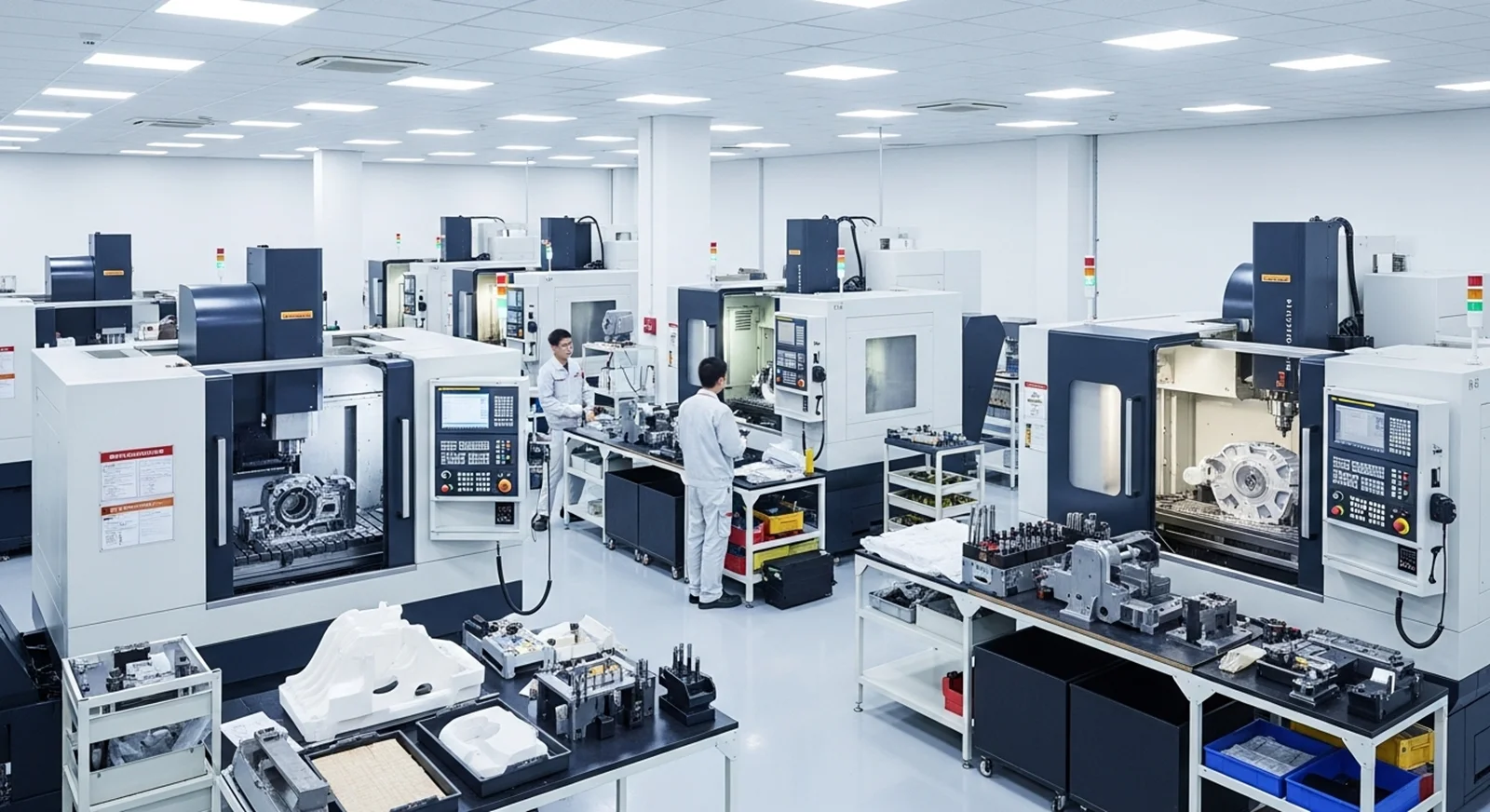
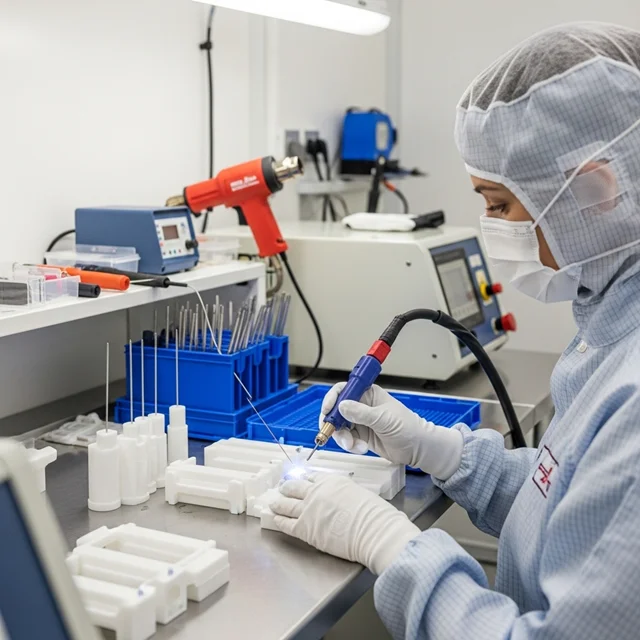
Foxx Technologies provides end-to-end plastic manufacturing capabilities, including design, prototyping, CNC plastic machining, molding, welding, and cleanroom assembly. Their expertise in aerospace-grade plastics, tight-tolerance manufacturing, and scalable production helps customers move efficiently from concept to production-ready aerospace components.
Conclusion
CNC plastic machining continues to play an essential role in modern aerospace manufacturing. Its ability to deliver lightweight, durable, and highly accurate components makes it a valuable solution for aircraft systems, aerospace equipment, and advanced engineering projects. By combining precision machining with high-performance polymers, aerospace manufacturers can improve efficiency, reduce weight, accelerate development, and maintain the quality standards required by the industry.
FAQs
1. What is CNC plastic machining in aerospace manufacturing?
CNC plastic machining uses computer-controlled equipment to produce precise aerospace plastic components with tight tolerances, excellent repeatability, and high-quality surface finishes.
2. Why are plastics used in aerospace applications?
Engineering plastics reduce component weight while offering excellent thermal stability, chemical resistance, durability, and performance in demanding aerospace environments.
3. Which plastics are commonly machined for aerospace components?
PEEK, PTFE, PPS, Ultem, fluoropolymers, and other aerospace-grade engineering plastics are commonly selected for their strength and environmental resistance.
4. Can CNC plastic machining support aerospace prototyping?
Yes. CNC machining enables rapid prototype development, design validation, functional testing, and quick modifications before moving into production.
5. What are the main benefits of CNC plastic machining for aerospace manufacturers?
The primary benefits include lightweight component production, precision tolerances, material versatility, faster prototyping, reduced waste, and reliable manufacturing consistency.
Found this site through a friend and I am glad I did. The rewards system is very motivating. Give phjilibbcom a try!
Really enjoying the current promotions. The gameplay is fluid and the wins feel rewarding. Jump into pkq98 and see for yourself.
phxojili is surprisingly easy to navigate. I didn’t have any trouble setting up my account or finding my favorite games. Very smooth operation overall.
Found this place through a friend and it did not disappoint. The bonuses are actually fair and easy to claim on bdok999.
Just downloaded the app and the interface is super smooth. Really enjoying the experience so far. Check out 118betapk for a great time!
Very user friendly layout and the promotions are actually worth it. I feel lucky whenever I log in here. Check out luky97login
Really enjoying the slots here. The graphics are great and I’ve had a couple of decent wins today. Visit phjili95
Very reliable platform with a great selection of slots. I had a huge win yesterday on gg189login and the withdrawal was instant.
I appreciate the transparency and the clear terms of service. No hidden catches here. I feel safe betting on krcasinokrwin.
Finally found a site that actually treats players right. The bonuses at xjilicom are legit and easy to claim.