
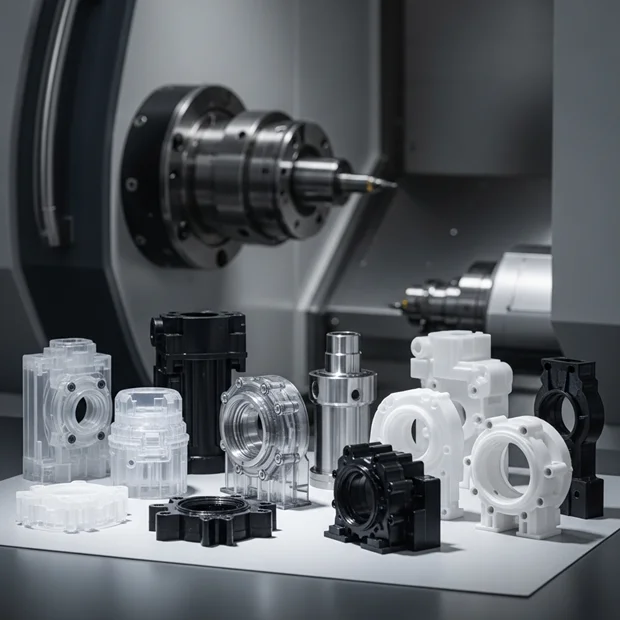
When manufacturers across industries need plastic parts that must meet tight dimensional tolerances, perform under demanding conditions, and hold up through repeated use, CNC plastic machining consistently delivers results that other processes simply cannot match. Whether the application is in aerospace, automotive, defense, electronics, or industrial manufacturing, precision plastic machining has become a go-to solution for engineers and procurement teams who cannot afford part failures or dimensional inconsistencies. This article breaks down exactly why CNC machined plastic components continue to be the preferred choice for high-performance applications.
What Is CNC Plastic Machining and Why Does It Matte
CNC plastic machining refers to the use of computer-controlled cutting tools including milling, turning, sawing, planing, and drilling to remove material from a plastic block or rod stock to achieve a finished, precise component. Unlike molding or casting processes that require expensive tooling, plastic machining works directly from a digital design file, making it exceptionally well-suited for low-to-mid volume production runs, custom components, and rapid prototyping. The core advantage is repeatability once a program is written and validated, every part that comes off the machine will be dimensionally consistent, which is critical in regulated and safety-sensitive industries.
The materials processed through CNC machining for plastics span a broad range of high-performance polymers, including PEEK, Delrin (Acetal), UHMW, PTFE, Nylon, Polycarbonate, HDPE, and PVC, among others. Each material has specific machinability characteristics, and an experienced plastic machining services provider will select tooling, speeds, and feeds that match the material to deliver clean cuts, tight tolerances, and a high-quality finish without introducing internal stresses into the part.
Tight Tolerances and Dimensional Accuracy
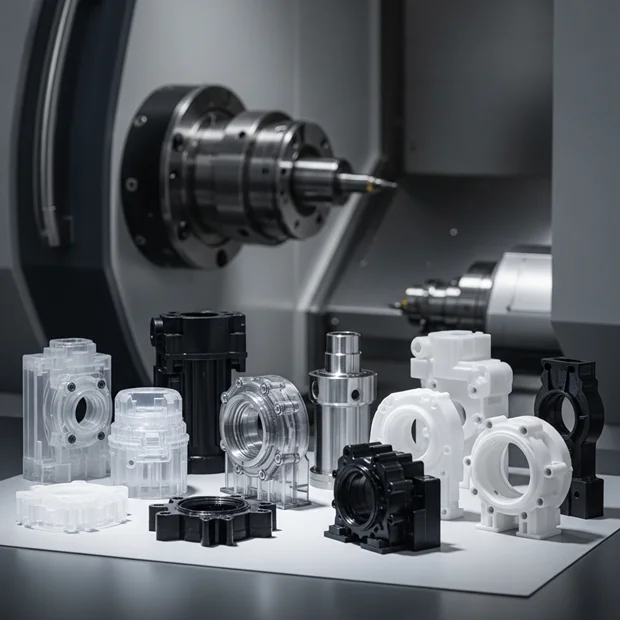
One of the most cited benefits of precision CNC plastic machining is the ability to hold tight tolerances consistently across a production run. In industries like aerospace plastic components or defense plastic parts, a component that is a few thousandths of an inch out of specification can compromise assembly fit, seal integrity, or system performance. CNC machines operate from precise digital programs and apply the same cutting path to every part, eliminating the human variability that comes with manual machining.
This level of accuracy also matters enormously in electronics plastic components and automotive plastic machining, where plastic housings, connectors, insulators, and structural brackets must fit alongside metal assemblies with no gaps or misalignments. The result is a component that works as designed the first time — which significantly reduces rework costs and shortens the path from prototyping to production.
Compatibility with Demanding Industrial Environments
Not all plastic components are built the same. A part used in a commercial retail display has very different requirements from a cleanroom-ready plastic component used inside medical or semiconductor equipment, or a structural bracket used in an aerospace plastic assembly. The ability of plastic machining to work with a wide variety of specialty polymers means engineers can select materials based on the exact service conditions temperature range, chemical exposure, UV resistance, load-bearing requirements, and regulatory compliance without having to compromise on part geometry.
For example, PEEK machined parts can operate at elevated temperatures and in chemically aggressive environments, making them popular in industrial plastic machining for pump components, valve seats, and bushings. UHMW polyethylene, on the other hand, offers outstanding wear and impact resistance for conveyor systems, guides, and liners. Matching the right material to the right application is a core part of what separates good custom plastic machining from commodity processing.
Streamlined Prototyping and Scalable Production
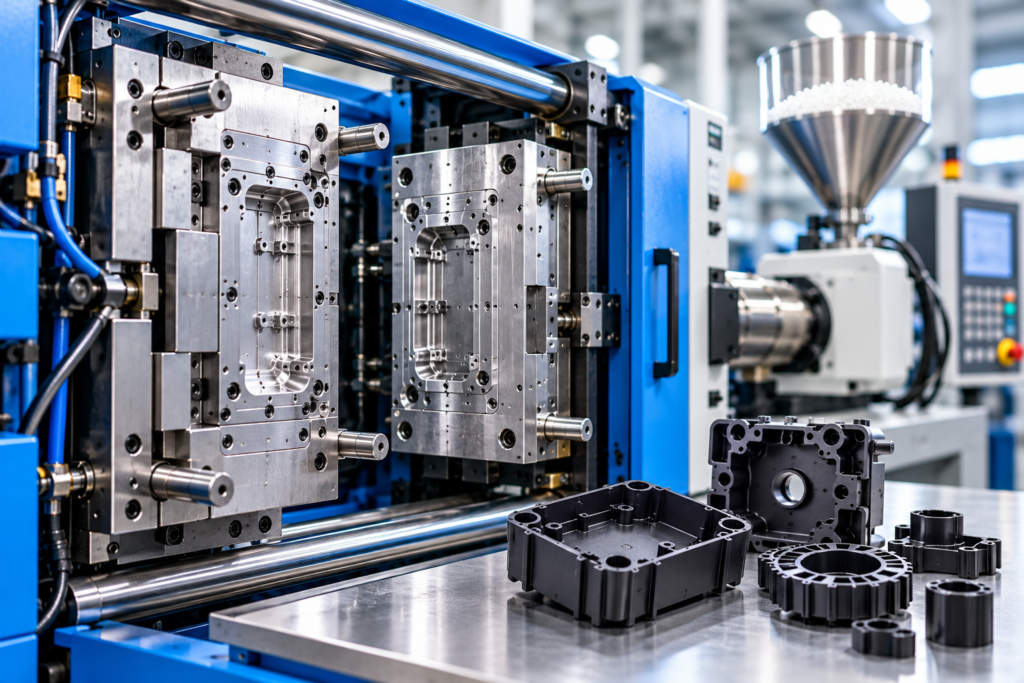
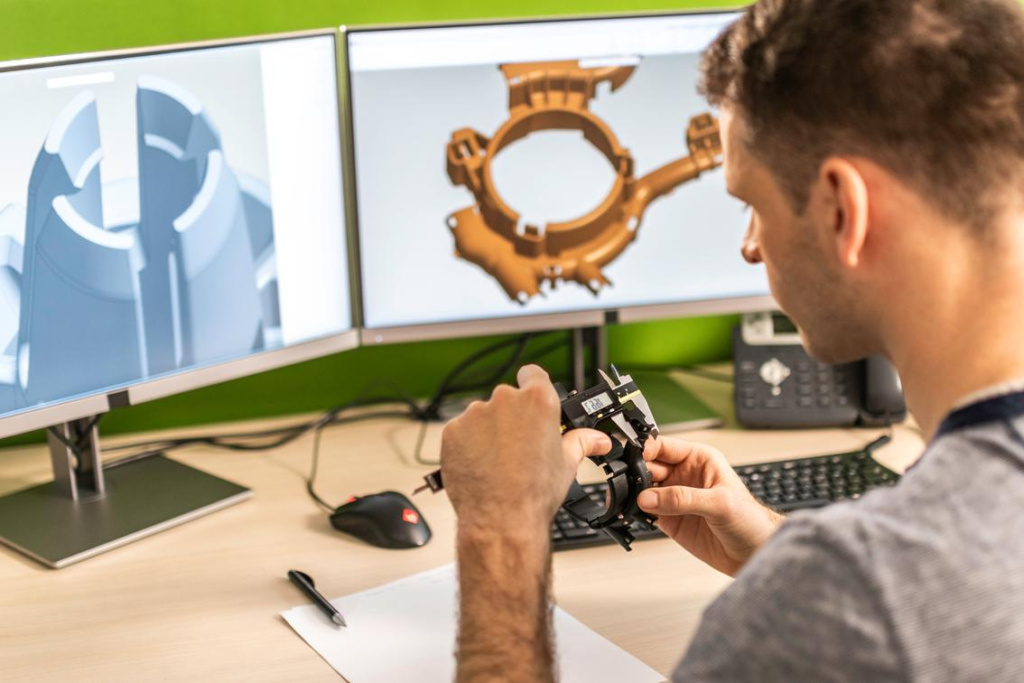
One of the most practical benefits of CNC machined plastic parts for product development teams is the ability to move quickly from a CAD model to a physical prototype without investing in tooling. Injection molding, for instance, requires mold fabrication that can cost thousands to tens of thousands of dollars and take weeks to complete. CNC plastic machining bypasses that entirely a design file can go to machine within hours, and a prototype can be in hand within days. This speed allows engineering teams to test fit, form, and function rapidly, iterate on designs based on real-world feedback, and validate their specifications before committing to full production volumes.
Once a design is validated, the same plastic machining process that produced prototypes can be scaled up to deliver production quantities with no change in dimensional quality. This seamless transition from prototype to production is a key reason that engineering-driven organizations in aerospace, defense, and electronics rely on machining for both their development cycles and their ongoing production needs.
Cleanroom Compatibility and Industry-Specific Compliance
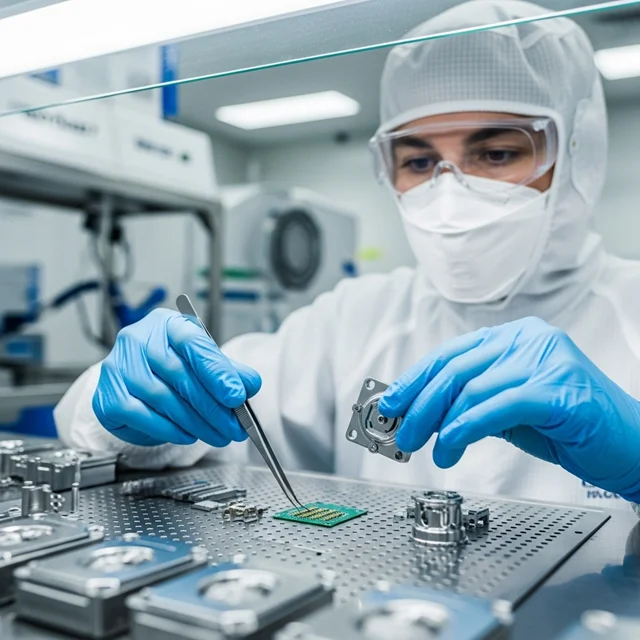
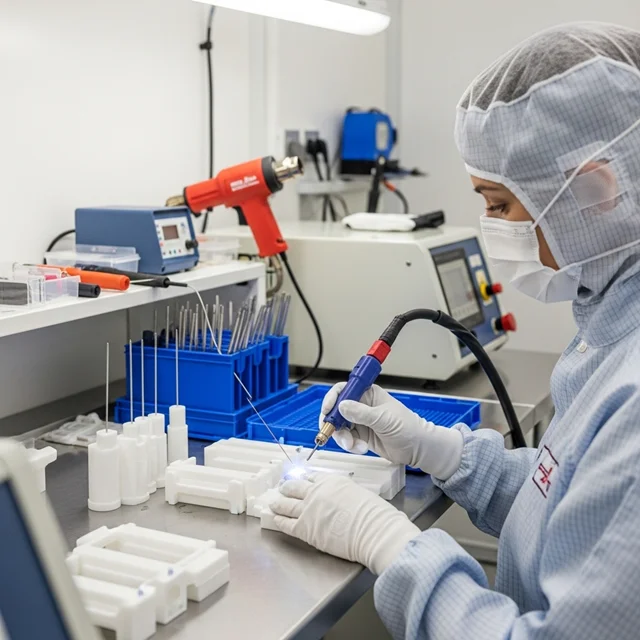
Certain applications demand not just precision but also a controlled manufacturing environment. Cleanroom-compatible plastic machining is essential when components will be used in medical devices, semiconductor fabrication, or other contamination-sensitive systems. Machining operations in a cleanroom environment prevent particle contamination that could compromise the integrity of a sensitive assembly. This is a specialized capability that not every plastic machining services provider offers, but it is a critical differentiator for customers in regulated industries who need both dimensional precision and environmental cleanliness in a single supply chain partner.
Industry-specific compliance standards whether ISO certifications, aerospace specifications, or defense-grade durability requirements also shape how precision plastic machining programs are designed and validated. Rigorous quality control processes, first-article inspections, and traceability documentation ensure that every machined plastic component meets both the dimensional and regulatory standards required by the end application.
Milling, Turning, Planing, and More: Full-Spectrum Machining Capabilities
A comprehensive plastic machining operation covers a range of complementary processes. CNC milling for plastics is used to create complex three-dimensional geometries, contoured surfaces, pockets, and slots. CNC turning for plastic parts produces cylindrical components such as bushings, shafts, spacers, and fittings with extremely tight diameter tolerances. Sawing and blank cutting efficiently prepare stock material for further machining, while planing achieves precise flat surfaces across large workpieces. Plastic welding can be integrated downstream to join machined sections into more complex assemblies. The availability of all these capabilities under one roof combined with in-house plastic design and engineering dramatically simplifies supply chain management and reduces the lead times associated with managing multiple vendors.
Why Foxx Technologies Stands Out for CNC Plastic Machining
Foxx Technologies brings over 15 years of ISO 13485-certified manufacturing experience and operates Class 7 cleanrooms across four global locations in the USA and India. The company delivers precision CNC plastic machining alongside plastic design, prototyping, plastic molding, plastic welding, and cleanroom assembly all under one roof making it a true end-to-end plastic solutions partner for aerospace, defense, automotive, electronics, industrial, and retail sectors worldwide.
Frequently Asked Questions
Q1: What types of plastics can be processed through CNC plastic machining?
A wide range of engineering and high-performance plastics are compatible with CNC machining, including PEEK, Delrin (Acetal), UHMW, PTFE, Nylon, Polycarbonate, HDPE, and PVC. Material selection depends on the mechanical, thermal, and chemical requirements of the specific application.
Q2: How tight are the tolerances achievable with precision plastic machining?
CNC plastic machining can routinely hold tolerances of ±0.001 to ±0.005 inches, depending on the material, part geometry, and tooling. For applications in aerospace, defense, or electronics, tighter tolerances can be achieved through careful process planning and quality verification steps.
Q3: Is CNC plastic machining suitable for both prototypes and full production runs?
Yes. CNC plastic machining is ideal for rapid prototyping because it requires no tooling investment, but the same process scales directly to production volumes. This makes it a highly flexible option for product development teams that need speed in early stages and consistent quality at scale.
Q4: What is the difference between CNC plastic machining and plastic injection molding?
CNC machining removes material from a solid stock piece using cutting tools, making it ideal for low-to-mid volumes, complex geometries, and tight tolerances without tooling costs. Injection molding injects molten plastic into a mold and is more economical for very high-volume, repetitive production runs.
Q5: Are cleanroom-compatible plastic machining services available for sensitive applications?
Yes. Specialized providers operate CNC plastic machining within Class 7 or Class 8 cleanroom environments to meet the contamination control requirements of medical, semiconductor, and other contamination-sensitive industries. This ensures both dimensional accuracy and environmental cleanliness in a single supply chain step.
Found this site through a friend and I am glad I did. The rewards system is very motivating. Give phjilibbcom a try!
Really enjoying the current promotions. The gameplay is fluid and the wins feel rewarding. Jump into pkq98 and see for yourself.
phxojili is surprisingly easy to navigate. I didn’t have any trouble setting up my account or finding my favorite games. Very smooth operation overall.
Found this place through a friend and it did not disappoint. The bonuses are actually fair and easy to claim on bdok999.
Just downloaded the app and the interface is super smooth. Really enjoying the experience so far. Check out 118betapk for a great time!
Very user friendly layout and the promotions are actually worth it. I feel lucky whenever I log in here. Check out luky97login
Really enjoying the slots here. The graphics are great and I’ve had a couple of decent wins today. Visit phjili95
Very reliable platform with a great selection of slots. I had a huge win yesterday on gg189login and the withdrawal was instant.
I appreciate the transparency and the clear terms of service. No hidden catches here. I feel safe betting on krcasinokrwin.
Finally found a site that actually treats players right. The bonuses at xjilicom are legit and easy to claim.