
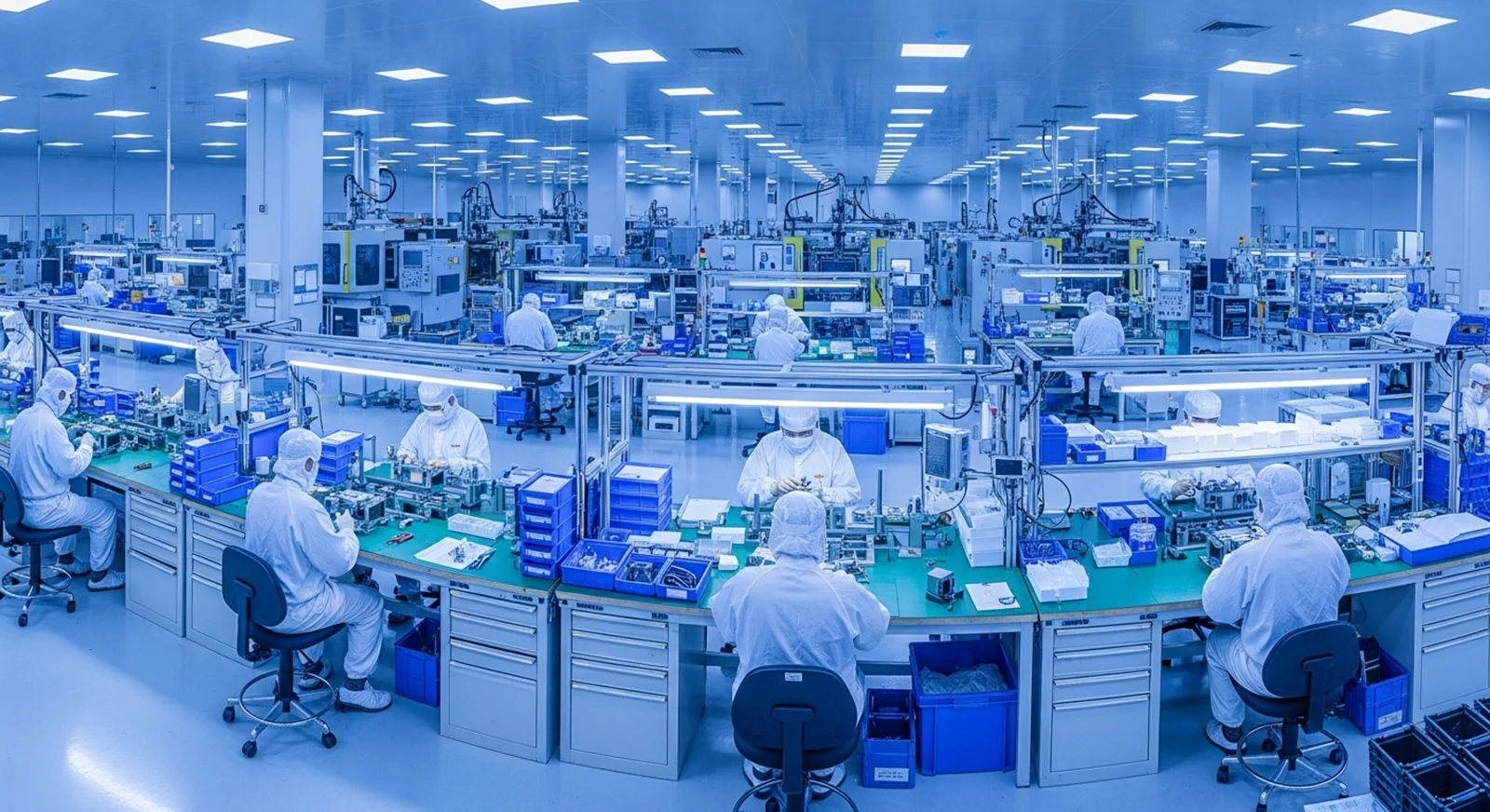
Industrial growth depends on reliable materials, efficient production processes, and components that can withstand demanding operating environments. Industrial plastic manufacturing plays a critical role in supporting modern industries by providing durable, lightweight, and cost-effective solutions for a wide range of applications. From manufacturing equipment and automation systems to chemical processing and industrial infrastructure, plastic components have become essential to operational efficiency and long-term performance.
Understanding Industrial Plastic Manufacturing
Industrial plastic manufacturing is the process of designing, fabricating, machining, molding, and assembling plastic components used in industrial environments. Unlike consumer-grade plastic products, industrial plastic components are engineered to meet strict performance requirements, including chemical resistance, temperature stability, durability, and dimensional accuracy.
Modern industries increasingly rely on custom plastic manufacturing, plastic fabrication services, and engineered plastic components to improve equipment functionality while reducing maintenance costs. These solutions can be tailored to meet the unique demands of industrial operations, making them valuable across multiple sectors.
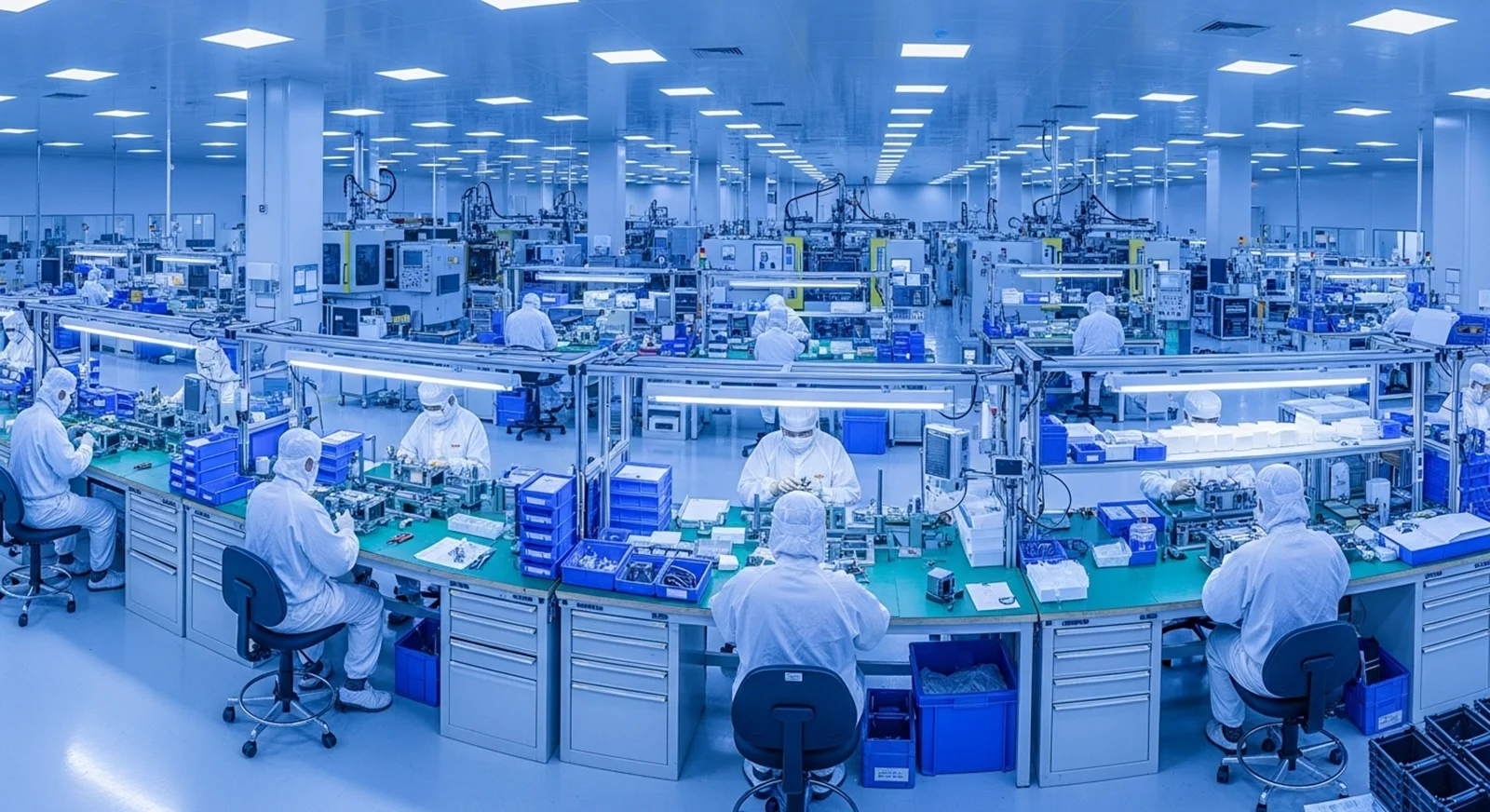
Why Industrial Plastic Components Are Important for Growth
As industries continue to expand and modernize, manufacturers seek materials that improve productivity without increasing operational complexity. Industrial plastic components offer several advantages that support sustainable growth.
One major benefit is weight reduction. Plastic parts are significantly lighter than many traditional materials, making equipment easier to transport, install, and maintain. Additionally, plastics provide excellent resistance to corrosion, moisture, and chemicals, helping industrial systems perform reliably in challenging environments.
Many manufacturers also choose custom plastic components because they can be engineered for specific applications. This flexibility supports innovation while allowing businesses to optimize equipment design and improve overall performance.
Applications of Industrial Plastic Manufacturing
The use of industrial plastics extends across numerous sectors. In manufacturing facilities, plastic components are commonly used in automation systems, production equipment, fluid handling systems, and machine guards. Chemical processing operations depend on corrosion-resistant plastic materials for safe handling and containment.
Industrial plastics are also utilized in water treatment systems, filtration equipment, laboratory environments, electronics manufacturing, and industrial storage applications. Through precision plastic manufacturing, companies can produce components with consistent quality and tight tolerances that meet exact operational requirements.
As industries adopt more advanced technologies, demand for engineered plastic solutions continues to increase due to their versatility and performance benefits.
Technical Advantages of Engineered Plastic Components
The technical properties of industrial plastics contribute significantly to industrial growth. Materials such as HDPE, polypropylene, PVC, polycarbonate, and acrylic offer unique performance characteristics that address various industrial challenges.
Many industrial-grade plastics demonstrate excellent tensile strength, impact resistance, chemical compatibility, and thermal stability. These properties make them suitable for applications where durability and long-term reliability are essential.
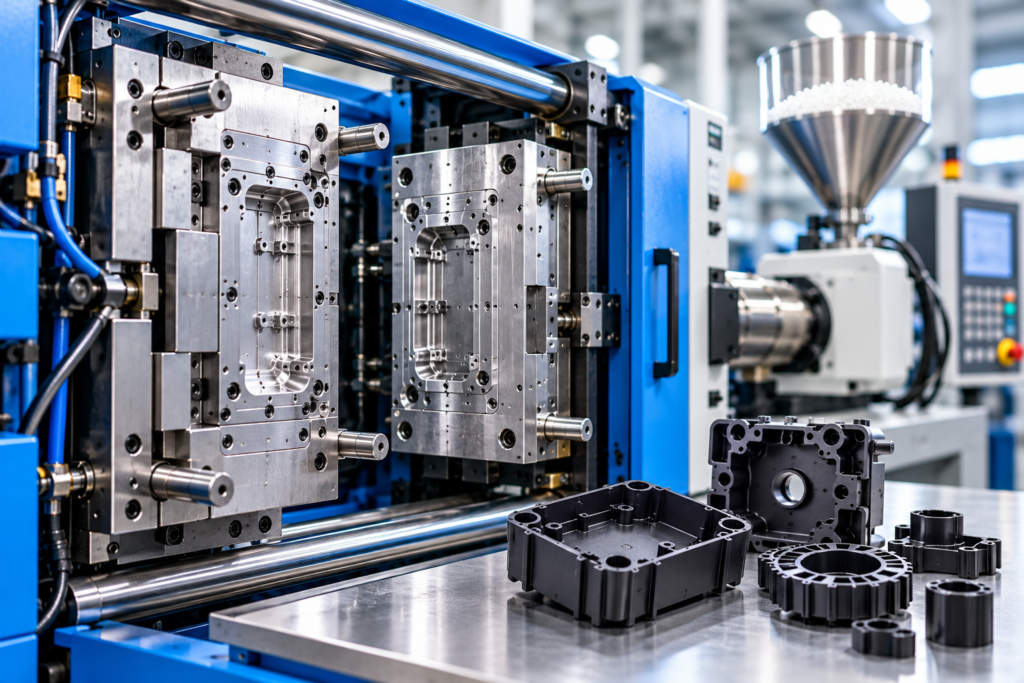
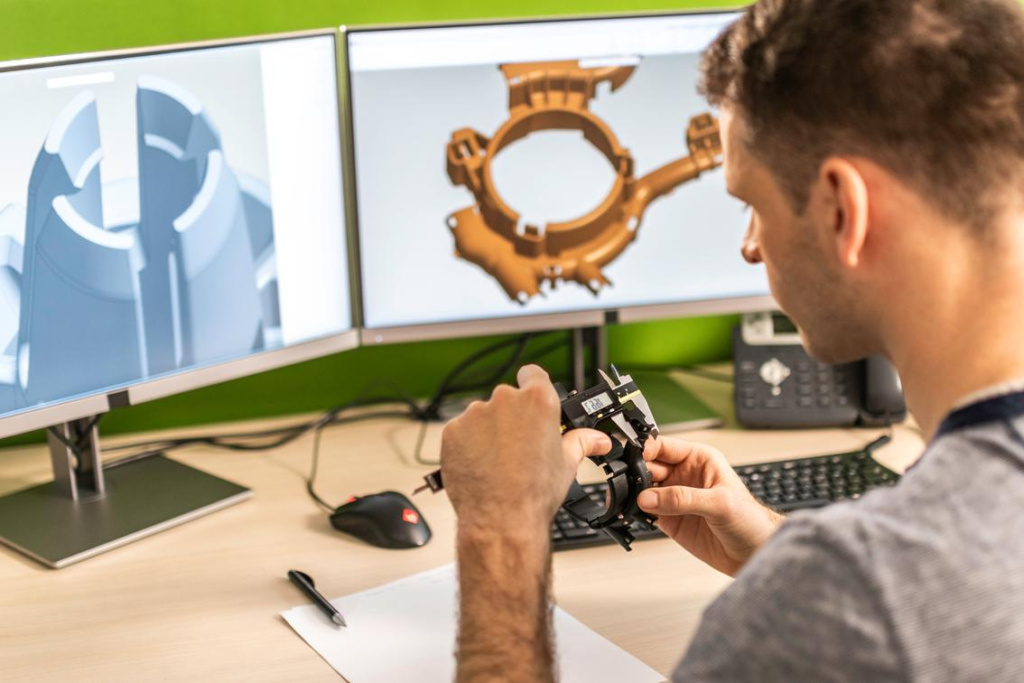
Advanced plastic fabrication services also allow manufacturers to create complex geometries and custom designs that may be difficult or costly to achieve using traditional materials. This design flexibility supports innovation and enables companies to develop more efficient products and systems.
How Industrial Plastic Manufacturing Improves Operational Efficiency
Operational efficiency is a key driver of industrial growth. Through industrial plastic fabrication, businesses can reduce equipment weight, lower maintenance requirements, and extend service life. Plastic components often require less upkeep because they resist corrosion and environmental degradation better than many conventional materials.
Additionally, custom plastic manufacturing solutions help organizations optimize equipment performance by creating components specifically designed for their operational needs. This can improve workflow efficiency, reduce downtime, and support long-term productivity goals.
The ability to rapidly develop and manufacture specialized plastic components also helps businesses respond more effectively to changing market demands and production requirements.
Why Specialized Manufacturing Expertise Matters
Successful industrial projects often require more than standard manufacturing capabilities. Advanced design support, precision fabrication, quality control, and material expertise are critical when developing industrial plastic solutions.
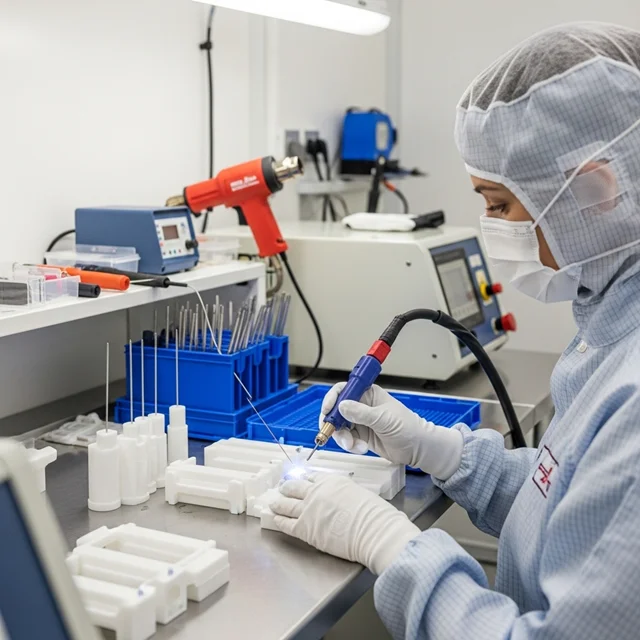
Organizations that provide comprehensive manufacturing services can support projects from concept through production, helping customers identify suitable materials, optimize designs, and achieve consistent product performance. Specialized capabilities in machining, fabrication, welding, and assembly contribute to the development of high-quality industrial components that meet demanding operational standards.
Industrial plastic manufacturing continues to play an essential role in supporting innovation, improving efficiency, and enabling sustainable industrial growth across multiple sectors.
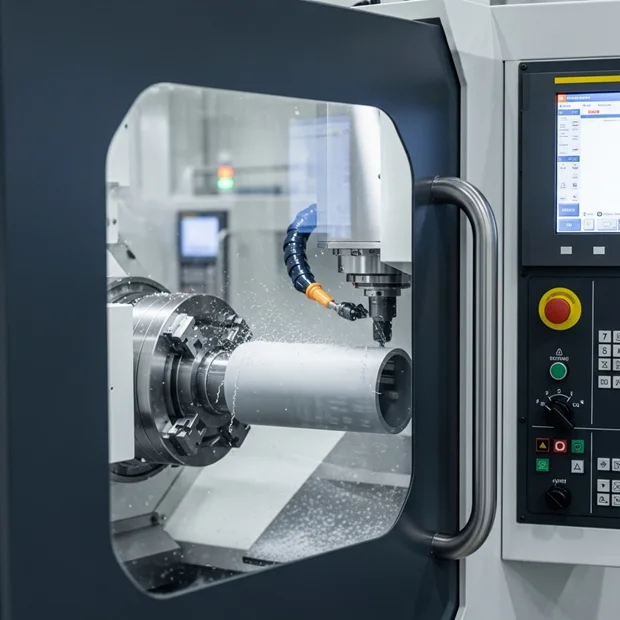
Why Foxx Technologies Is Different
Foxx Technologies offers comprehensive industrial manufacturing capabilities, including custom fabrication, machining, welding, molding, and assembly services. Its focus on precision engineering, material expertise, quality control, and application-specific solutions helps industrial customers achieve reliable, high-performance results.
FAQs:
-
What is industrial plastic manufacturing?
Industrial plastic manufacturing involves producing engineered plastic components designed for industrial equipment, processing systems, automation applications, storage systems, and other demanding operational environments.
-
Why are industrial plastic components widely used?
Industrial plastic components offer durability, chemical resistance, lightweight performance, corrosion protection, and design flexibility, making them suitable for many industrial applications.
-
What industries use engineered plastic components?
Manufacturing, chemical processing, water treatment, electronics, laboratory operations, industrial automation, food processing, and infrastructure sectors commonly use engineered plastic components.
-
What are the advantages of custom plastic manufacturing?
Custom plastic manufacturing allows organizations to create application-specific components that improve equipment performance, optimize efficiency, reduce maintenance needs, and support innovation.
-
How does industrial plastic fabrication support business growth?
Industrial plastic fabrication helps businesses improve productivity, lower operational costs, enhance equipment reliability, and develop specialized solutions that meet evolving industry requirements.
Found this site through a friend and I am glad I did. The rewards system is very motivating. Give phjilibbcom a try!
Really enjoying the current promotions. The gameplay is fluid and the wins feel rewarding. Jump into pkq98 and see for yourself.
phxojili is surprisingly easy to navigate. I didn’t have any trouble setting up my account or finding my favorite games. Very smooth operation overall.
Found this place through a friend and it did not disappoint. The bonuses are actually fair and easy to claim on bdok999.
Just downloaded the app and the interface is super smooth. Really enjoying the experience so far. Check out 118betapk for a great time!
Very user friendly layout and the promotions are actually worth it. I feel lucky whenever I log in here. Check out luky97login
Really enjoying the slots here. The graphics are great and I’ve had a couple of decent wins today. Visit phjili95
Very reliable platform with a great selection of slots. I had a huge win yesterday on gg189login and the withdrawal was instant.
I appreciate the transparency and the clear terms of service. No hidden catches here. I feel safe betting on krcasinokrwin.
Finally found a site that actually treats players right. The bonuses at xjilicom are legit and easy to claim.