When a single stray particle can compromise a sensor housing or a guidance component, the environment a part is built in matters as much as the material it’s made from. That’s why aerospace and defense manufacturing has moved so much of its component assembly into controlled cleanroom environments. It isn’t a passing trend. It’s a direct response to tighter tolerances, contamination-sensitive electronics, and stricter compliance expectations from regulators and prime contractors alike.
What Is a Cleanroom, and Why Does It Matter Here?
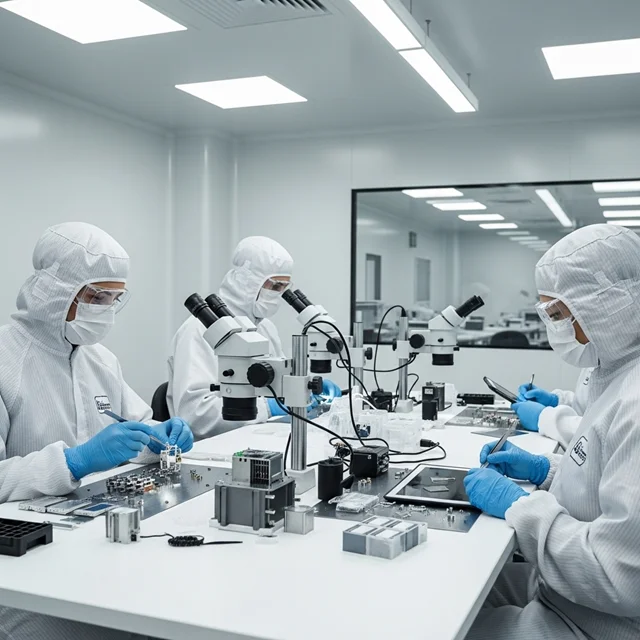
A cleanroom is a manufacturing space engineered to keep airborne particles, humidity, static charge, and temperature within tightly controlled limits. Cleanrooms are ranked under ISO 14644-1 classifications, where a lower-class number means stricter particle limits. An ISO Class 7 environment, for instance, allows far fewer particles per cubic meter than a standard factory floor. For aerospace and defense manufacturers, that difference often decides whether a part clears qualification testing or fails once it’s in service.
Why Aerospace Manufacturing Depends on Cleanroom Assembly
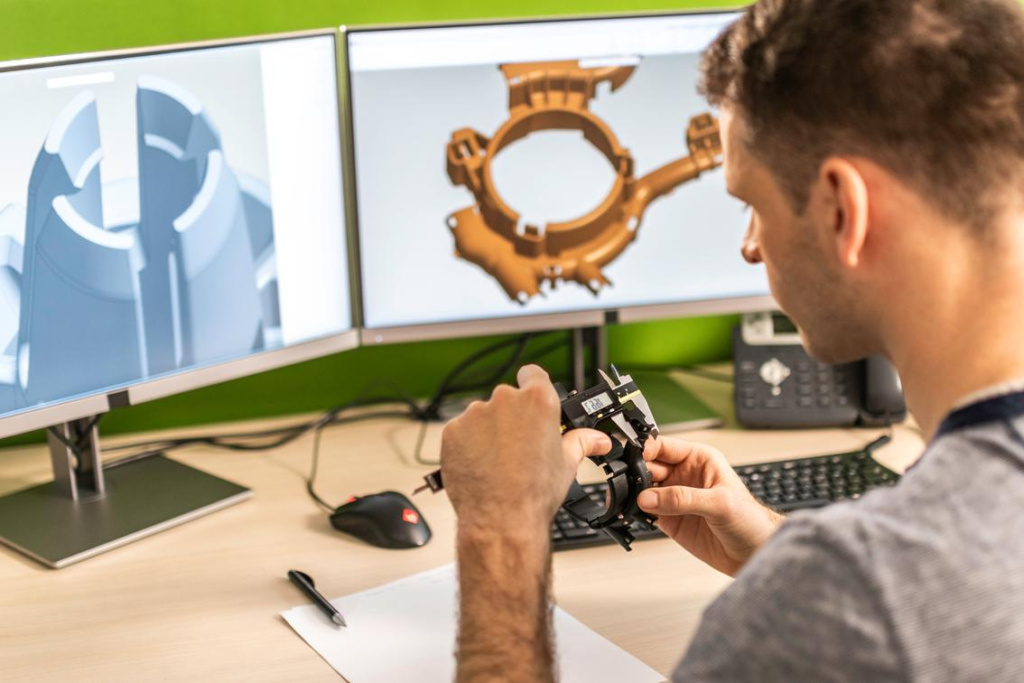
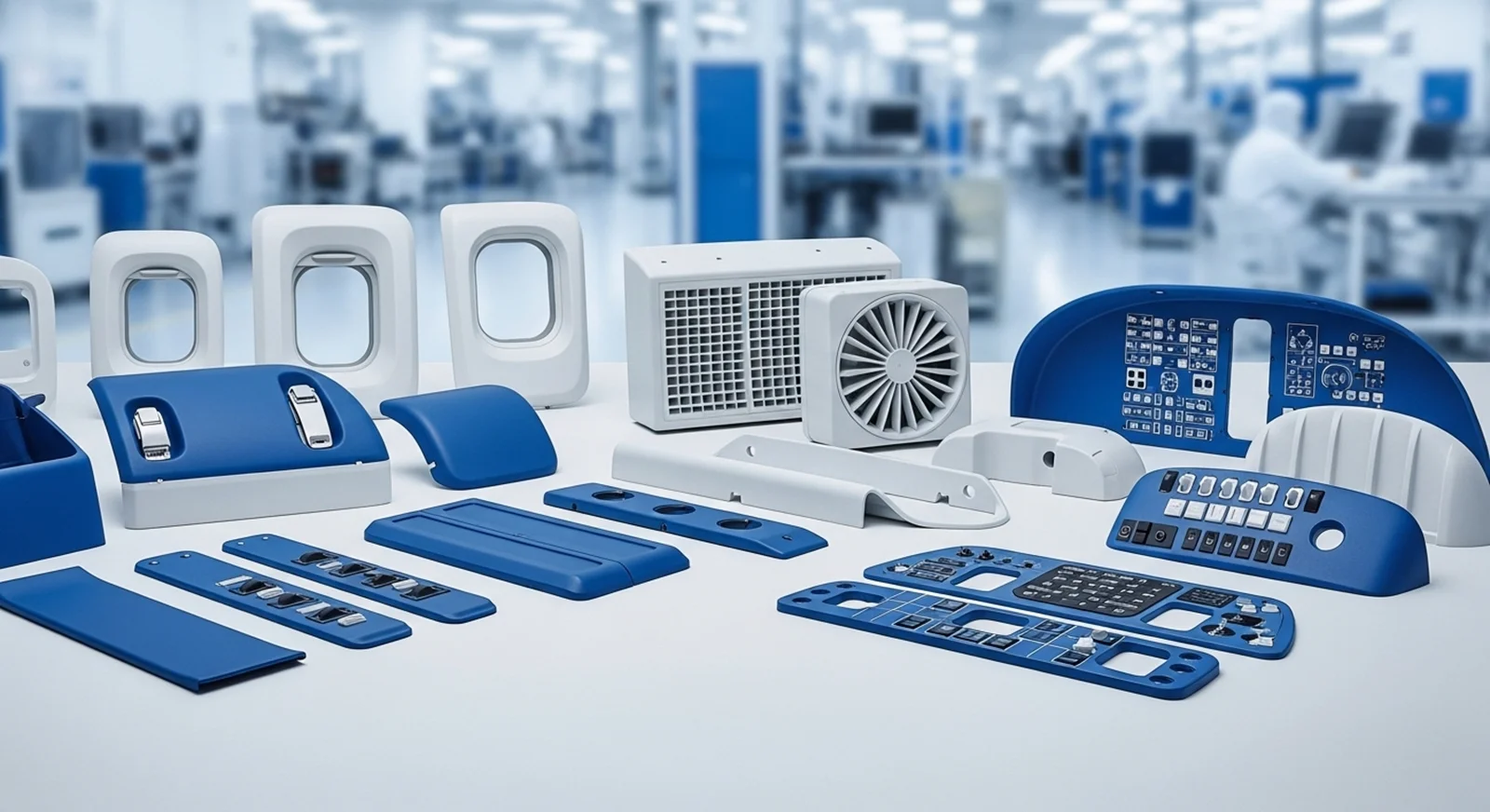
Aircraft, satellites, and avionics systems combine lightweight plastics, sensors, and electronic sub-assemblies that are highly sensitive to contamination. A single particle trapped inside a connector housing or a sealed sensor can cause premature failure at altitude, where repair simply isn’t an option. Cleanroom assembly gives aerospace manufacturers a controlled way to build cockpit components, fuel-system parts, and lightweight structural housings without introducing debris, moisture, or static discharge during production. Paired with precision plastic design, prototyping, and CNC machining, cleanroom assembly rounds out a build process aligned with aviation-grade compliance standards. Learn more about aerospace manufacturing solutions and how controlled assembly fits into the wider production process.
Why Defense Programs Rely on Controlled Assembly Environments
Defense hardware faces a different set of pressures than most commercial industries. Equipment supplied to defense programs has to survive harsh field conditions, extreme temperature swings, vibration, and long storage periods, all while meeting strict specification and documentation demands. Cleanroom-assembled components reduce the risk of contamination-driven failures in guidance systems, communication housings, and protective enclosures. Full batch documentation and traceability, standard practice inside a certified cleanroom, also give defense contractors the audit trail that regulators and prime contractors expect. Explore how defense manufacturing support is structured around these exact requirements.
The Technical Side: Classifications, Controls, and Documentation
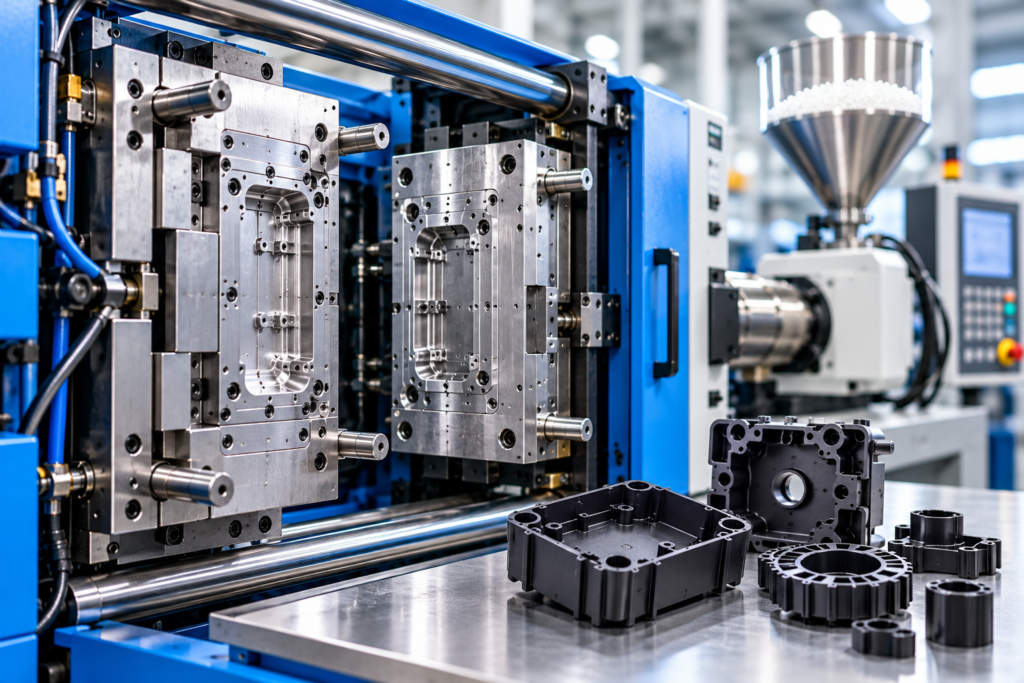
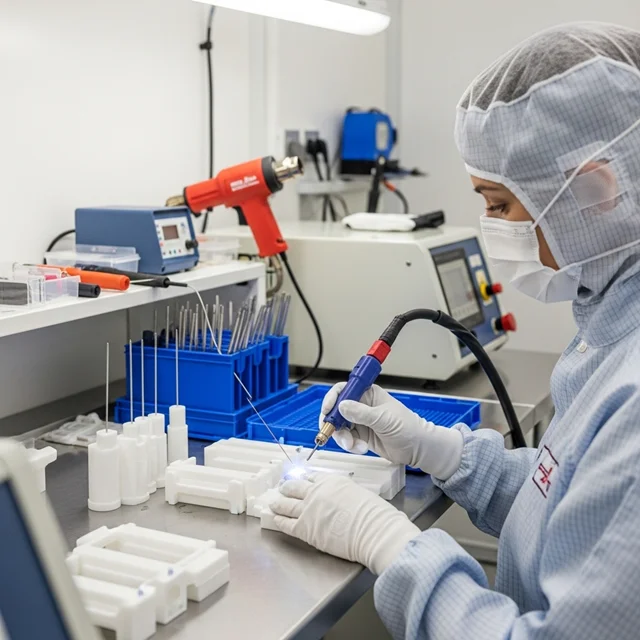
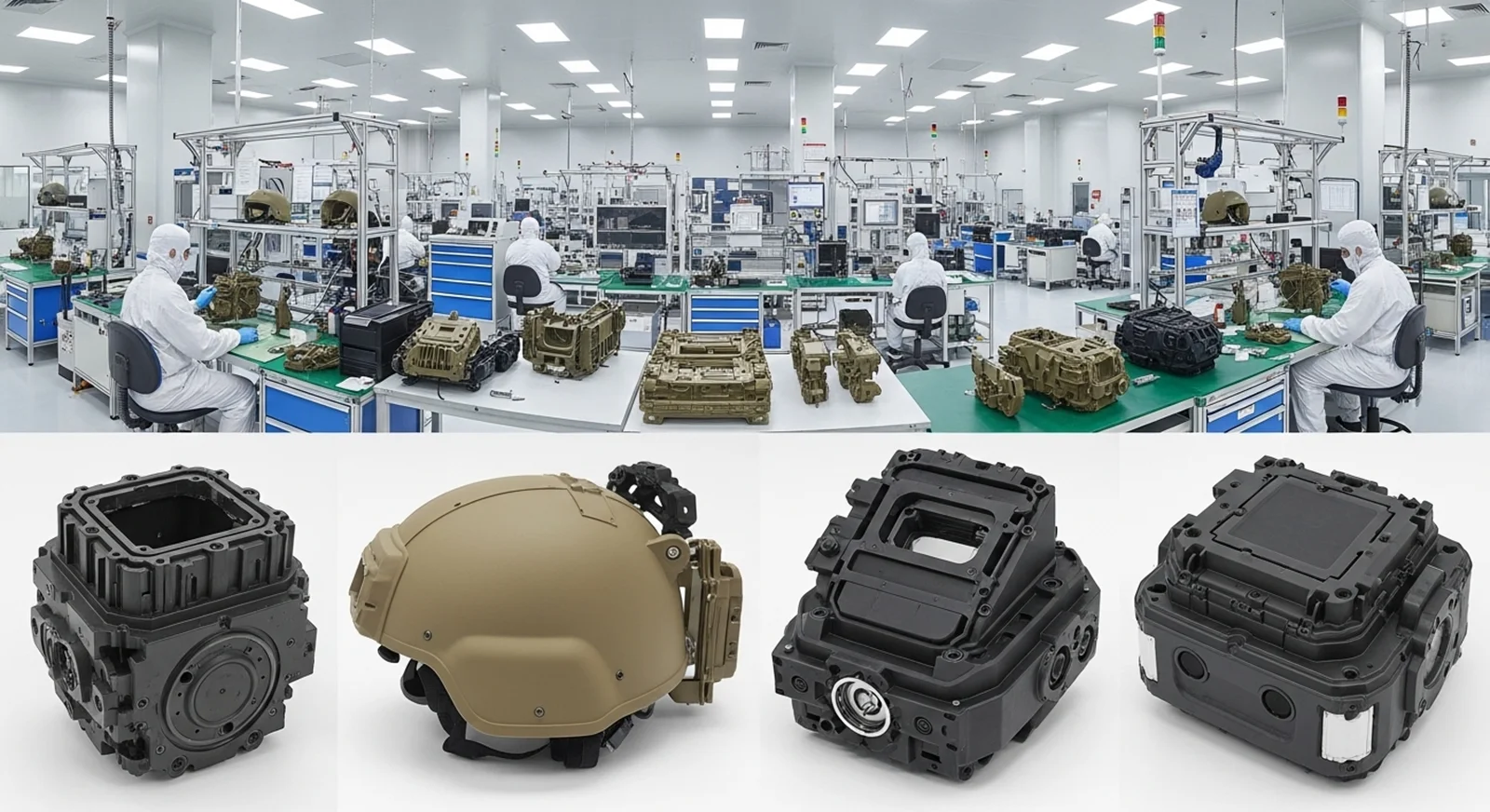
Cleanroom facilities used for aerospace and defense projects typically maintain ISO Class 7 or Class 8 conditions, supported by HEPA filtration, gowning protocols, and controlled airflow. Beyond air quality, a compliant cleanroom tracks humidity, static discharge, and particulate counts throughout a production run, with batch records kept at every stage. This level of control supports processes such as precision plastic welding, injection molding, and final sub-assembly, where even minor contamination can alter fit, seal integrity, or electrical performance.
Common Applications Across Both Industries
Cleanroom assembly supports a wide range of contamination-sensitive components: sensor housings, connector assemblies, fluid-handling parts, lightweight structural brackets, and sealed electronic enclosures. Both aerospace and defense programs rely on these processes for parts that must perform reliably under extreme, unforgiving conditions, whether that means high altitude, vacuum exposure, or sustained field deployment.
Why Foxx Technologies Stands Apart
Foxx Technologies operates seven-plus ISO Class 7 certified cleanrooms across U.S. and Indian facilities, backed by 15+ years of ISO 13485 manufacturing experience. That combination of scale, certification, and documented process control makes it a dependable partner for contamination-sensitive cleanroom assembly work.
Choosing a manufacturing partner with proven cleanroom infrastructure isn’t a checkbox exercise for aerospace and defense programs. It directly affects component reliability, program timelines, and compliance outcomes. Working with an experienced cleanroom assembly provider from early prototyping through full production reduces risk at every stage of the build.
Frequently Asked Questions
-
What is a cleanroom in manufacturing?
A cleanroom is a controlled facility that limits airborne particles, humidity, and static to strict standards, protecting contamination-sensitive components during assembly and testing.
-
Why do aerospace manufacturers use cleanrooms?
Aerospace components require contamination-free assembly because trapped particles or debris can cause failures in flight-critical parts, sensors, and sealed sub-assemblies over time.
-
What ISO class is required for aerospace and defense assembly?
Most aerospace and defense cleanroom assembly work happens in ISO Class 7 or Class 8 environments, depending on the component’s sensitivity and application.
-
How does cleanroom assembly benefit defense programs?
It reduces contamination risk in guidance systems and enclosures while providing documented batch records that support the traceability defense contractors and regulators require.
-
Can cleanroom assembly be combined with other manufacturing services?
Yes, cleanroom assembly typically pairs with plastic design, molding, machining, and welding to deliver complete, contamination-controlled components from prototype through production.