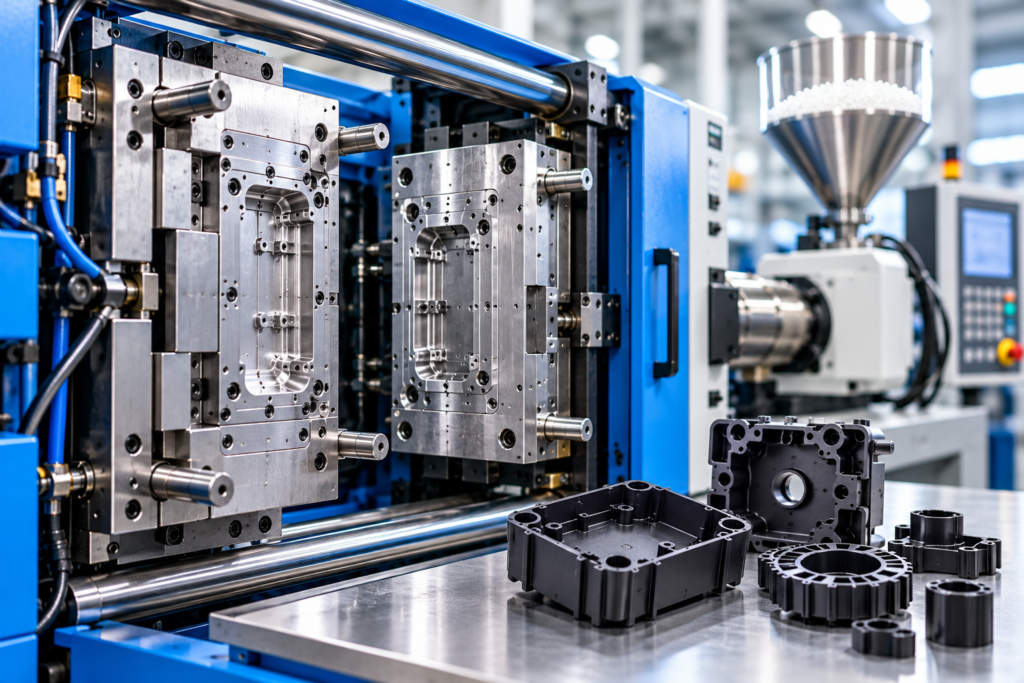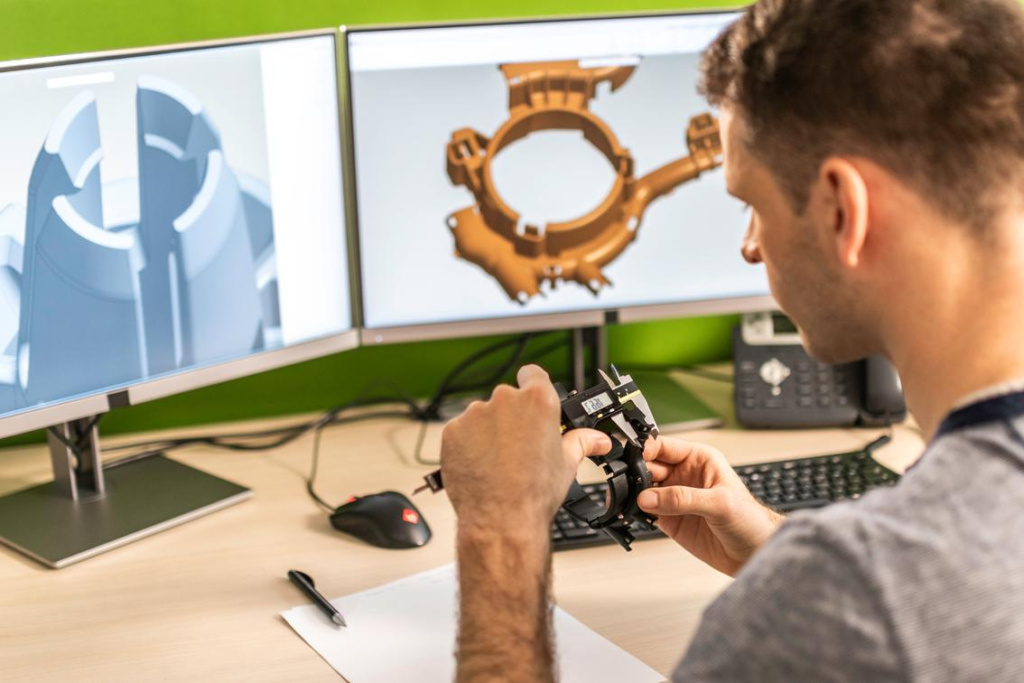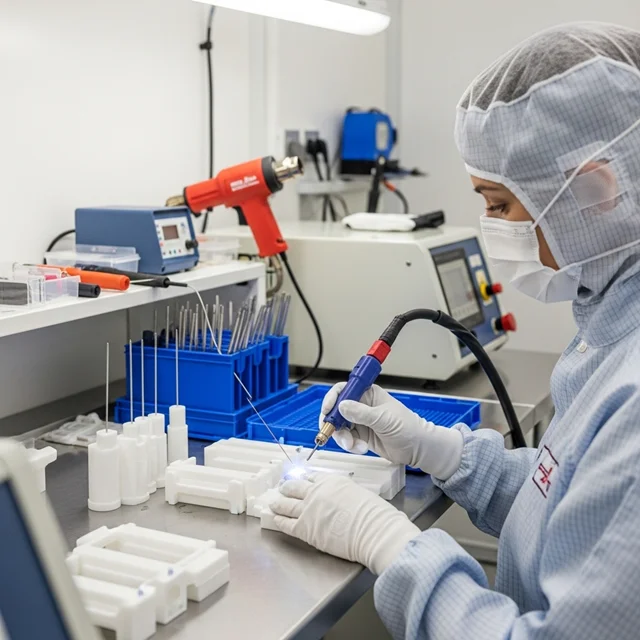
Plastic welding is a manufacturing process used to join thermoplastic materials by applying heat, pressure, or both to create a permanent bond. Unlike adhesives or mechanical fasteners, plastic welding forms strong, leak-resistant, and durable joints that can withstand demanding industrial environments. The process is widely used in industries that require precision-engineered plastic components, including bioprocessing, medical devices, laboratory equipment, industrial processing systems, and fluid handling applications.
Understanding Plastic Welding and How It Works
Plastic welding involves heating plastic materials until they reach a softened or molten state and then joining them under controlled conditions. After cooling, the materials form a single, continuous structure with excellent mechanical strength and chemical resistance. The process is primarily used for thermoplastics such as polypropylene (PP), polyethylene (PE), polycarbonate (PC), and polyvinyl chloride (PVC).
Modern manufacturing facilities rely on plastic welding because it produces high-quality assemblies while reducing the risks associated with adhesives, solvents, and additional hardware. The process also enables manufacturers to create complex designs and custom components that meet strict dimensional and performance requirements.
Common Plastic Welding Methods Used in Manufacturing
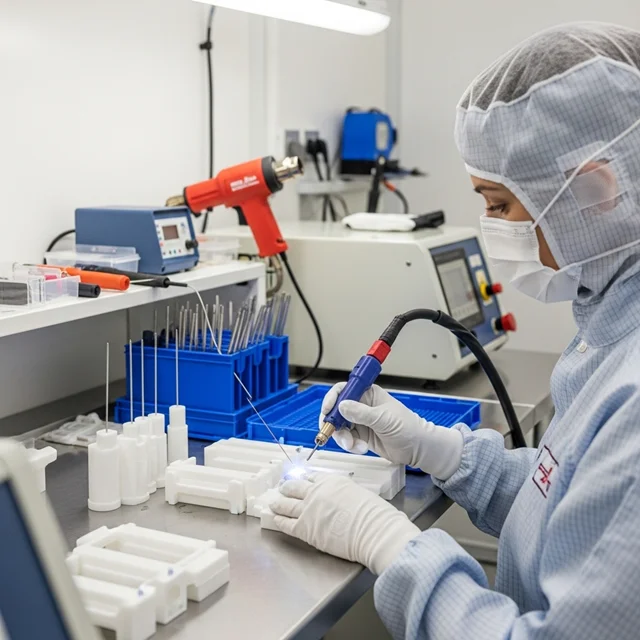
Several plastic welding techniques are used depending on material compatibility, product design, and performance requirements.
Hot plate welding uses heated plates to melt plastic surfaces before pressing them together. It is commonly used for large and complex components that require strong, hermetic seals.
Ultrasonic welding employs high-frequency vibrations to generate heat and create precise joints. This process is widely used in medical devices, laboratory products, and small precision components.
Spin welding joins circular plastic parts through rotational friction. It is suitable for containers, caps, and fluid management assemblies.
Laser welding provides highly accurate and clean welds with minimal particulate generation, making it ideal for applications requiring precision and contamination control.
Hot gas welding uses heated air or inert gas and is commonly used for repairing thermoplastic products and fabricating industrial tanks, ducts, and piping systems.
Benefits of Plastic Welding in Industrial Manufacturing
Plastic welding offers several advantages over traditional assembly methods. It creates permanent and leak-proof joints that maintain structural integrity under pressure and chemical exposure. Because the process eliminates additional hardware and adhesives, manufacturers can reduce material costs and simplify production processes.
The technology also supports design flexibility, allowing engineers to develop lightweight, corrosion-resistant products with complex geometries. Many welding methods are highly automated, improving production consistency, reducing labor requirements, and increasing throughput.
Another significant benefit is contamination control. Plastic welding processes used in controlled manufacturing environments help produce assemblies that meet stringent quality standards required by life science, laboratory, and industrial applications.
Industrial Applications of Plastic Welding
Plastic welding plays a critical role in numerous manufacturing sectors. In industrial processing systems, welded plastic components are used for chemical storage, fluid transfer, and process equipment because of their excellent chemical resistance and durability.
In laboratory and life science environments, plastic welding supports the production of containers, bottles, tubing assemblies, and custom fluid management systems requiring high precision and reliable sealing performance. The process is also widely used in medical device manufacturing, where product integrity and consistency are essential.
Manufacturers increasingly rely on plastic welding for custom-engineered assemblies because it enables rapid production, excellent repeatability, and long-term performance in demanding operating conditions.
Technical Considerations for Successful Plastic Welding
Achieving high-quality plastic welds depends on several factors, including material compatibility, welding temperature, pressure, cycle time, and joint design. Different thermoplastics have unique melting characteristics and require carefully controlled process parameters.
Joint geometry also influences weld strength and performance. Properly designed joints improve load distribution and reduce stress concentrations. Process validation, quality inspection, and controlled manufacturing environments further ensure that welded components consistently meet application requirements.
As industrial processes become increasingly complex, plastic welding continues to evolve with advanced automation technologies and precision manufacturing capabilities that support the production of high-performance plastic assemblies.
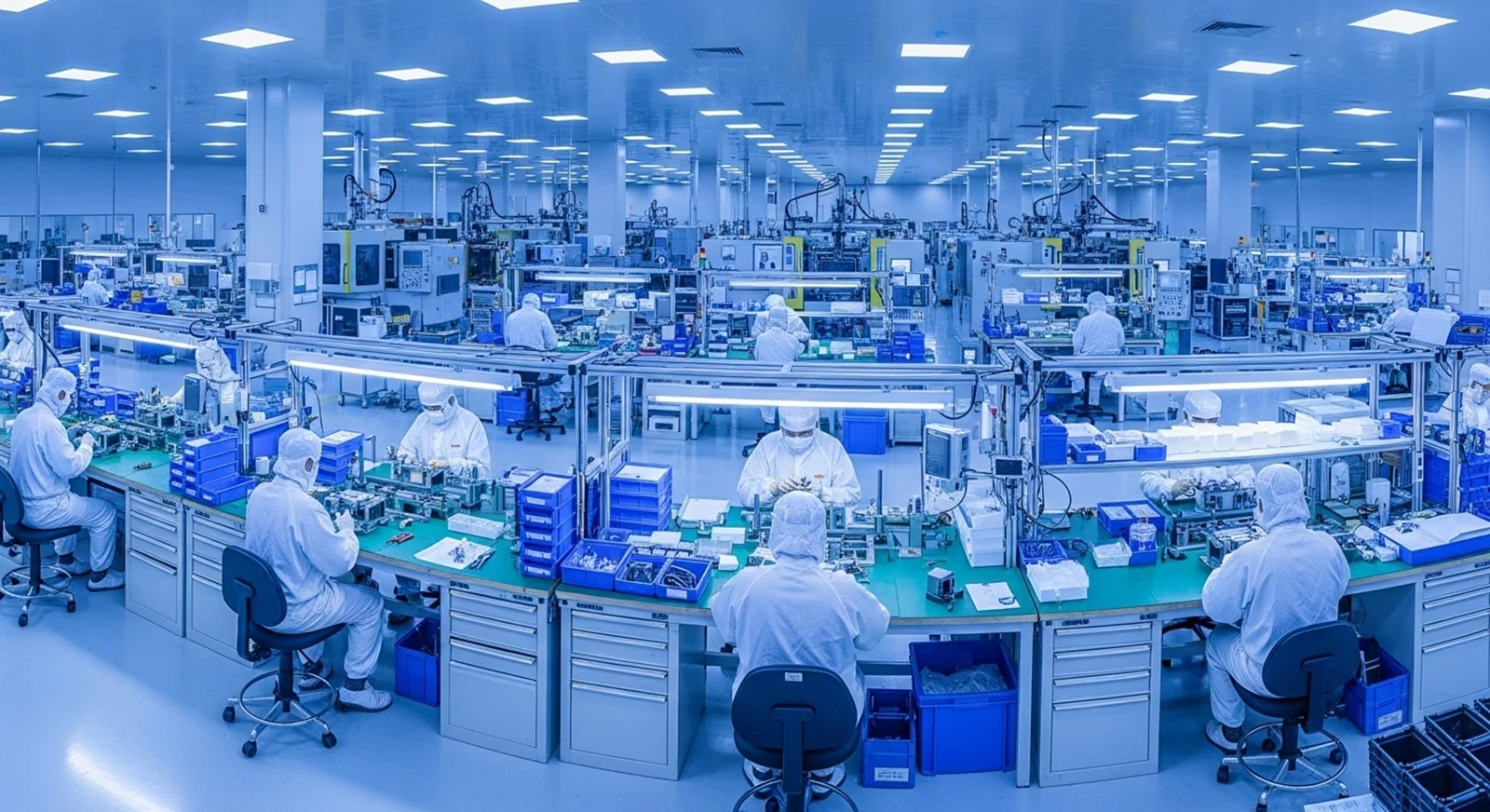
Why Foxxtechnologies Is Special
Foxxtechnologies offers advanced plastic welding capabilities combined with precision manufacturing expertise, controlled assembly environments, and custom-engineered solutions. Its focus on quality, process consistency, and application-specific design supports industries requiring durable, leak-resistant, and high-performance plastic assemblies.
FAQs
1. What is plastic welding used for in manufacturing?
Plastic welding is used to permanently join thermoplastic components for fluid handling systems, industrial equipment, laboratory products, medical devices, and custom-engineered assemblies.
2. Which plastics can be welded successfully?
Thermoplastics such as polypropylene, polyethylene, polycarbonate, PVC, and similar materials can generally be welded using suitable methods and controlled process parameters.
3. Why is plastic welding preferred over adhesives?
Plastic welding creates stronger, leak-resistant joints without introducing additional materials, reducing contamination risks while improving long-term durability and structural integrity.
4. What industries commonly use plastic welding?
Industries including life sciences, medical manufacturing, laboratory equipment production, chemical processing, industrial systems, and fluid management applications widely use plastic welding technologies.
5. What factors affect plastic welding quality?
Weld quality depends on material selection, temperature control, pressure application, joint design, equipment calibration, and maintaining consistent manufacturing and inspection procedures.