
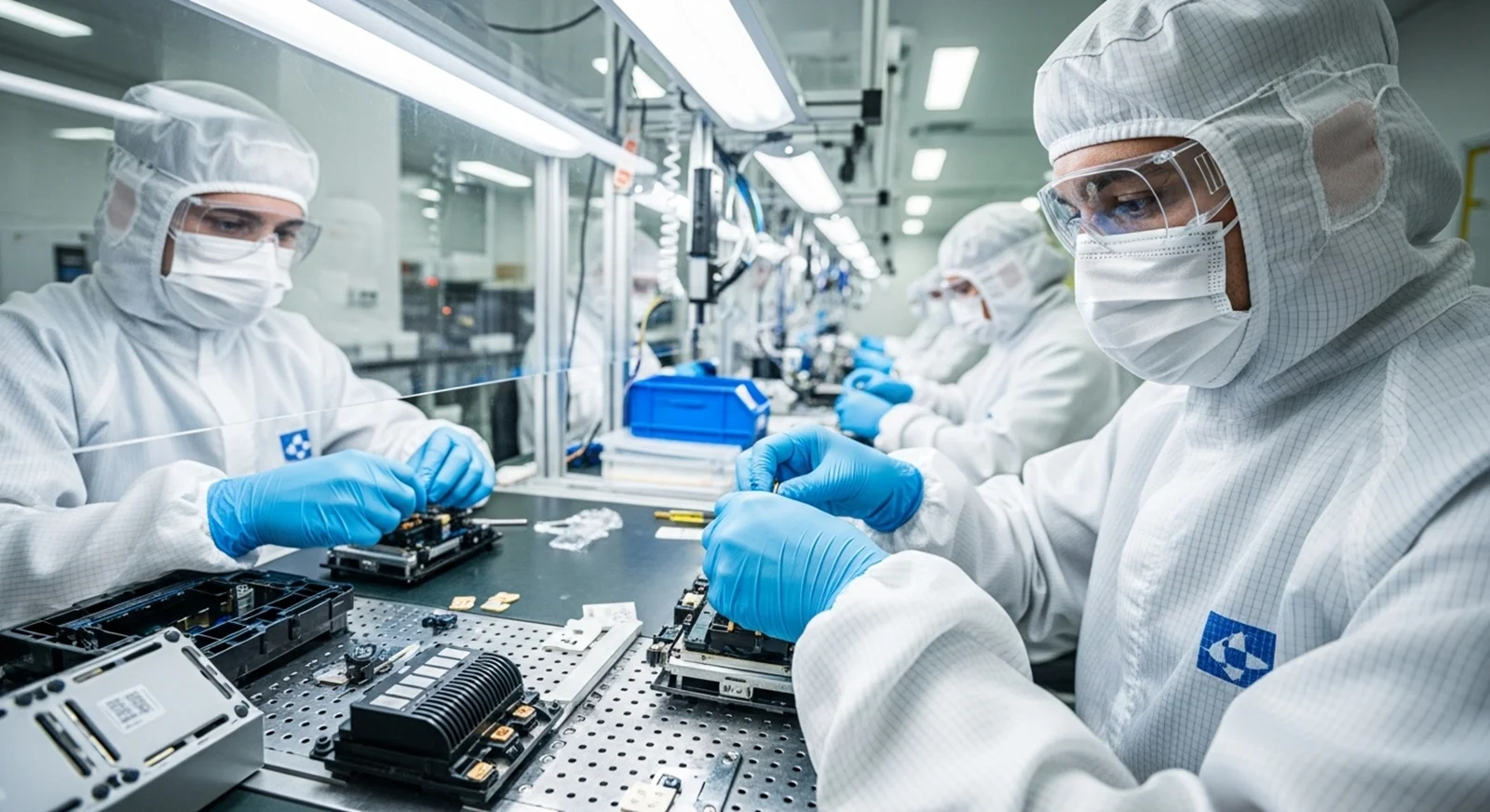
Manufacturers across aerospace, defense, electronics, and industrial sectors increasingly rely on clean room assembly to protect plastic components from contamination during production. As tolerances tighten and performance demands rise, controlled manufacturing environments have become a standard requirement rather than an added expense. This article explains what clean room assembly involves, why it matters for plastic components, and how it supports mission-critical applications across multiple industries.
What Is Clean Room Assembly?
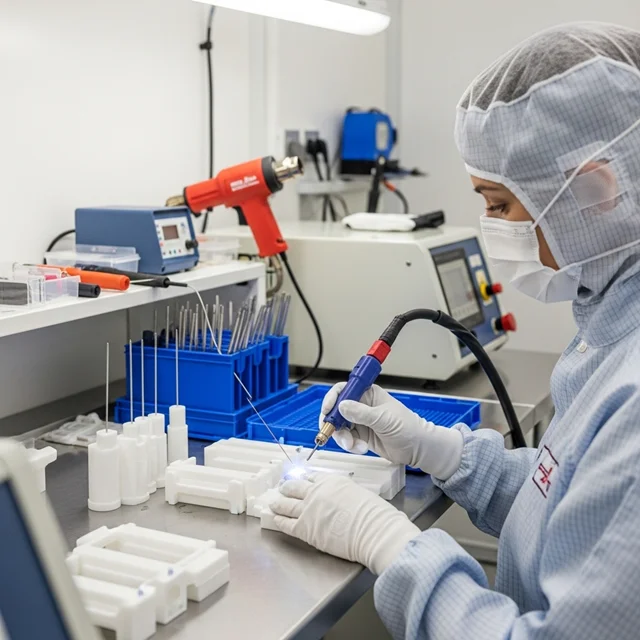
Clean room assembly is a manufacturing process carried out in an environment where airborne particles, humidity, and temperature are tightly regulated. Unlike a standard production floor, a clean room limits dust, fibers, and microbial contamination that could compromise sensitive plastic parts. Clean rooms are classified by ISO standards, with each class defining the maximum number of particles allowed per cubic meter of air. Facilities operating at ISO Class 7 or Class 8 are common choices for plastic component assembly, since they balance strict contamination control with practical production speed and cost.
Why Plastic Components Need Controlled Environments
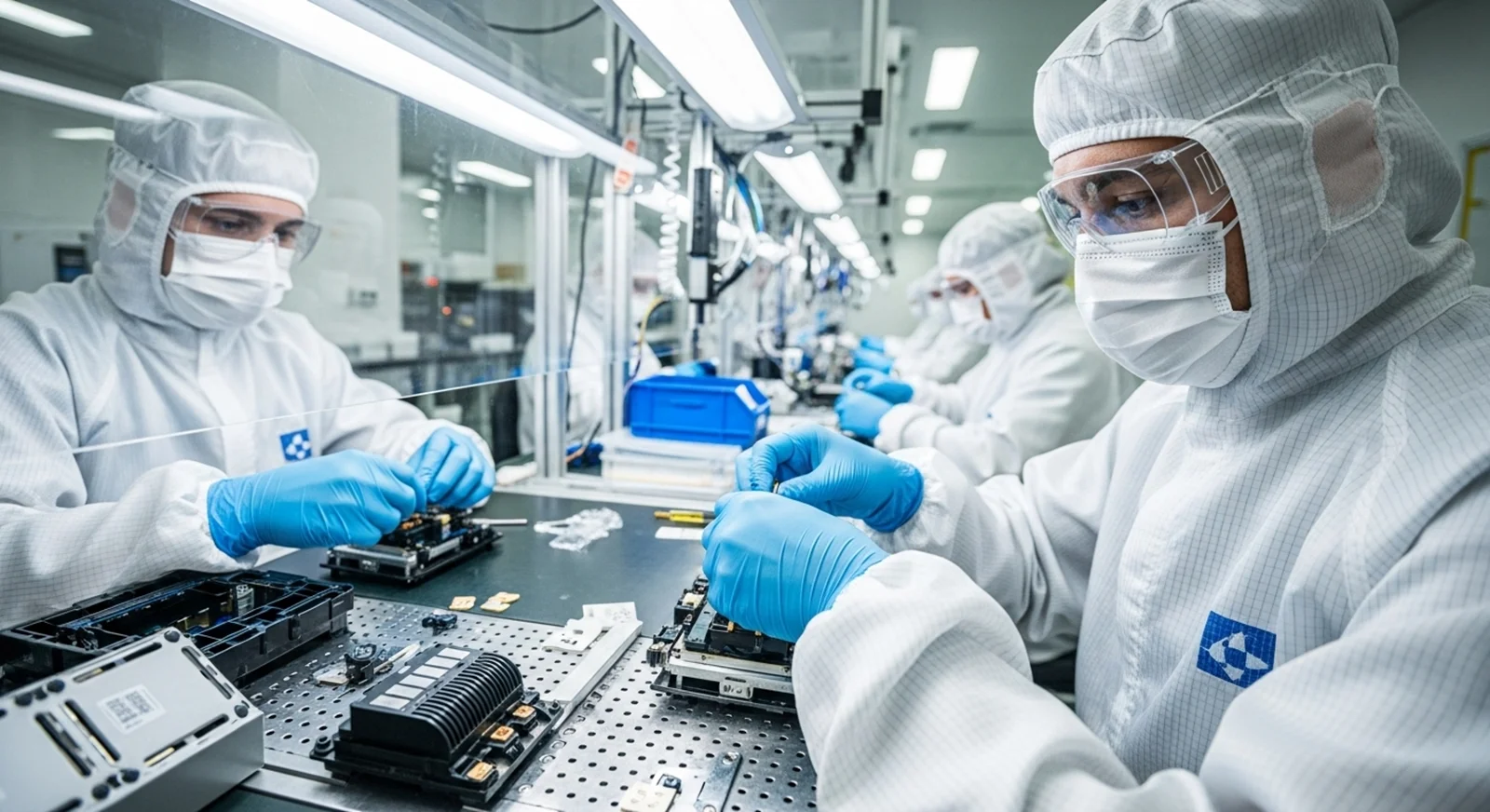
Plastic components used in aerospace, defense systems, electronics, and industrial equipment often function in environments where even microscopic debris can cause failure. A single trapped particle inside a housing, connector, or seal can lead to malfunction, corrosion, or premature wear. Clean room assembly reduces this risk by keeping the production space free of contaminants from the moment raw plastic parts arrive to the moment they are packaged. This is especially important for parts that go through plastic welding, plastic machining, or plastic molding before final assembly, since each additional process step introduces a new opportunity for contamination if it is not properly controlled.
Technical Aspects of Cleanroom Manufacturing
Controlled assembly environments depend on more than filtered air. HEPA filtration systems, gowning protocols, static control, and monitored airflow all work together to maintain classification standards. Full documentation, including batch records and traceability logs, is equally important, allowing manufacturers to verify that every plastic assembly meets its specification. Combined with rigorous testing, such as stress validation and failure-mode simulation, this documentation gives engineers confidence that components will perform reliably under real-world conditions, from vibration and thermal cycling to chemical exposure and repeated handling.
Common Applications and Industries
Clean room assembly supports a wide range of high-performance plastic components, including connectors, brackets, enclosures, and precision-machined parts. Aerospace and defense programs use it for lightweight structural and interior components. Electronics manufacturers rely on it for enclosures and connectors sensitive to static and particulate damage. Automotive and industrial sectors use cleanroom-assembled plastic parts where consistency and long-term durability matter, while retail and packaging applications benefit from the same contamination control to protect product quality and shelf life.
Why Foxx Technologies Stands Out
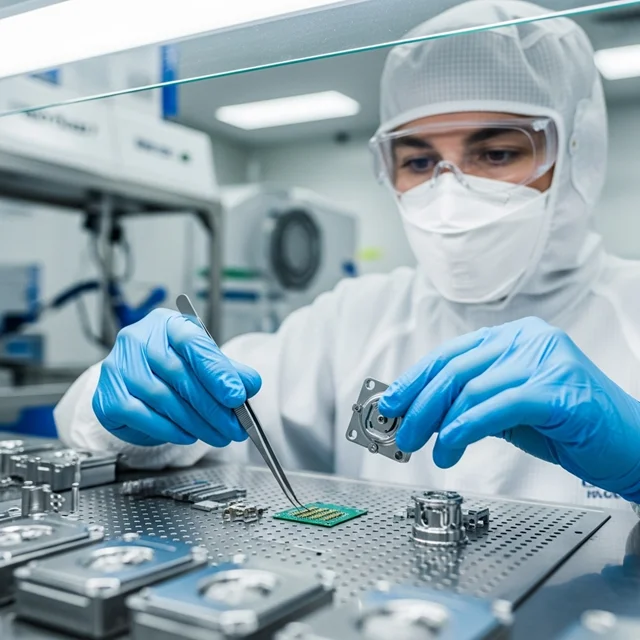
Foxx Technologies operates multiple ISO Class 7-certified cleanrooms across U.S. and India-based facilities, combining in-house design, molding, and precision assembly under one roof. This integrated approach gives manufacturers a dependable partner for scalable, contamination-controlled plastic component production. Learn more about cleanroom assembly services.
Frequently Asked Questions
-
What industries benefit most from cleanroom assembly?
Aerospace, defense, electronics, automotive, industrial, and retail sectors benefit most, since these industries require plastic components that resist contamination and perform reliably under demanding conditions.
-
What ISO class is typical for plastic component assembly?
ISO Class 7 and Class 8 cleanrooms are common for plastic component assembly, offering strong contamination control while supporting practical production speeds for custom and scalable manufacturing needs.
-
How does clean room assembly improve product reliability?
It limits airborne particles and contaminants during production, reducing the risk of trapped debris, corrosion, or premature failure in finished plastic components used in critical applications.
-
Can clean room assembly be combined with other manufacturing services?
Yes, clean room assembly often follows plastic molding, machining, or welding, integrating multiple processes under one contamination-controlled facility to streamline production and maintain consistent quality.
-
Why is documentation important in cleanroom manufacturing?
Documentation, including batch records and traceability logs, verifies that every assembly meets specifications, supporting quality assurance, compliance, and accountability throughout the manufacturing process.
Explore More
Related services: Plastic Design | Prototyping | Plastic Machining | Plastic Molding | Plastic Welding
Related industries: Aerospace | Defense | Industrial | Electronics | Automotive | Retail
Found this site through a friend and I am glad I did. The rewards system is very motivating. Give phjilibbcom a try!
Really enjoying the current promotions. The gameplay is fluid and the wins feel rewarding. Jump into pkq98 and see for yourself.
phxojili is surprisingly easy to navigate. I didn’t have any trouble setting up my account or finding my favorite games. Very smooth operation overall.
Found this place through a friend and it did not disappoint. The bonuses are actually fair and easy to claim on bdok999.
Just downloaded the app and the interface is super smooth. Really enjoying the experience so far. Check out 118betapk for a great time!
Very user friendly layout and the promotions are actually worth it. I feel lucky whenever I log in here. Check out luky97login
Really enjoying the slots here. The graphics are great and I’ve had a couple of decent wins today. Visit phjili95
Very reliable platform with a great selection of slots. I had a huge win yesterday on gg189login and the withdrawal was instant.
I appreciate the transparency and the clear terms of service. No hidden catches here. I feel safe betting on krcasinokrwin.
Finally found a site that actually treats players right. The bonuses at xjilicom are legit and easy to claim.