
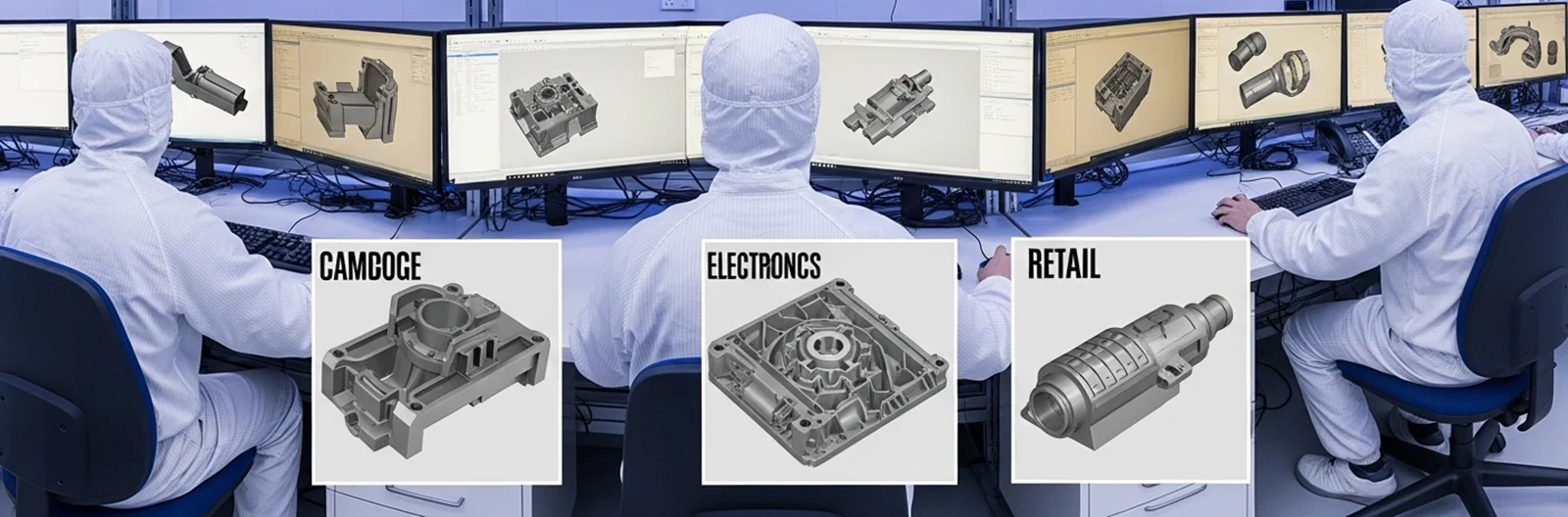
Why Plastic Design Has Become Critical in Modern Aerospace and Automotive Manufacturing
The demand for lightweight, durable, and cost-effective components continues to grow across aerospace and automotive industries. Manufacturers are constantly seeking ways to improve performance, reduce overall system weight, and increase production efficiency. This is where Plastic Design Services play a significant role.
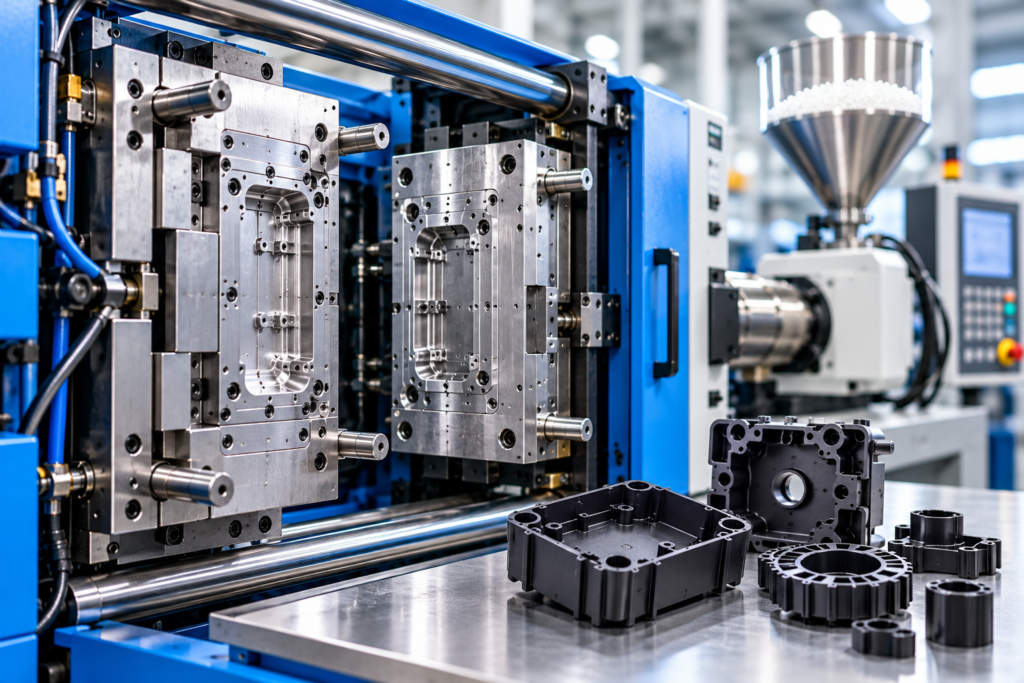
Modern plastic components are no longer limited to simple housings or covers. Today, engineered plastics are used in structural assemblies, fluid handling systems, electrical enclosures, interior components, and specialized equipment that must withstand challenging operating conditions. Effective plastic design helps manufacturers achieve strength, durability, and precision while reducing material costs and manufacturing complexity.
Whether developing Aerospace Plastic Components or designing advanced automotive systems, a strategic design process ensures long-term reliability and performance.
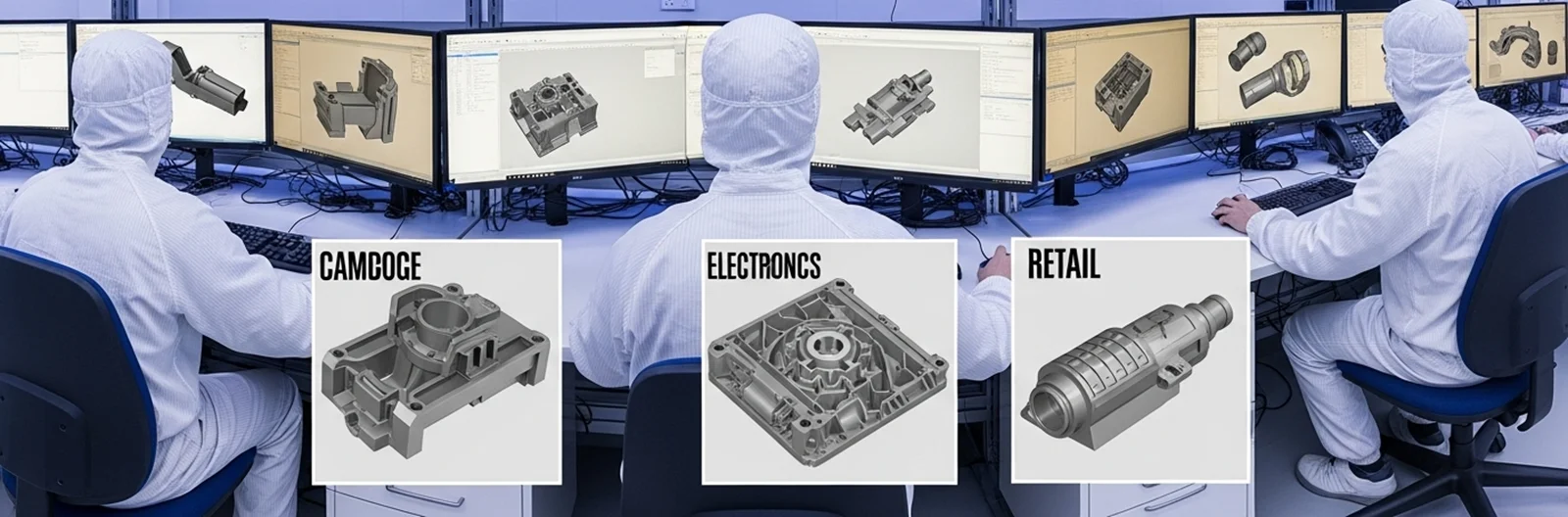
Selecting the Right Materials Is the Foundation of Successful Plastic Design
One of the most important aspects of plastic design is material selection. Different applications require different performance characteristics, and choosing the wrong material can lead to premature component failure.
For aerospace applications, materials often need to resist temperature fluctuations, chemical exposure, vibration, and long-term mechanical stress. In automotive environments, plastics must withstand heat, fuel exposure, road conditions, UV radiation, and continuous operational loads.
Design engineers typically evaluate factors such as:
-
Tensile strength
-
Impact resistance
-
Chemical compatibility
-
Thermal stability
-
Dimensional accuracy
-
Flame resistance
-
Weight reduction potential
Selecting materials based on real-world operating conditions helps maximize product lifespan and reduce maintenance requirements.
Designing Components Without Compromising Performance
Weight reduction remains a major priority for both Aerospace Manufacturing Solutions and Automotive Manufacturing Solutions. Every pound removed from an aircraft contributes to fuel efficiency, while lighter vehicle components can improve performance and reduce emissions.
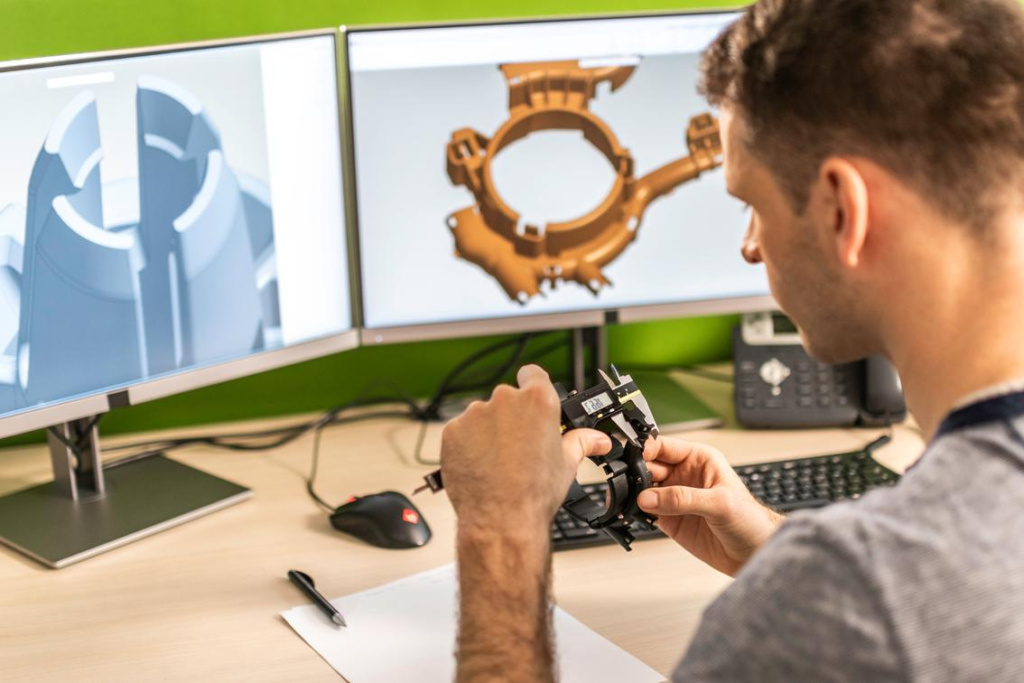
Effective plastic design focuses on optimizing component geometry while maintaining structural integrity. Engineers often use advanced modeling software to remove unnecessary material, strengthen critical areas, and improve load distribution.
Common lightweighting techniques include:
-
Rib reinforcement structures
-
Optimized wall thickness
-
Hollow section designs
-
Material consolidation
-
Integrated component designs
The goal is not simply to reduce weight but to achieve the ideal balance between strength, functionality, and manufacturability.
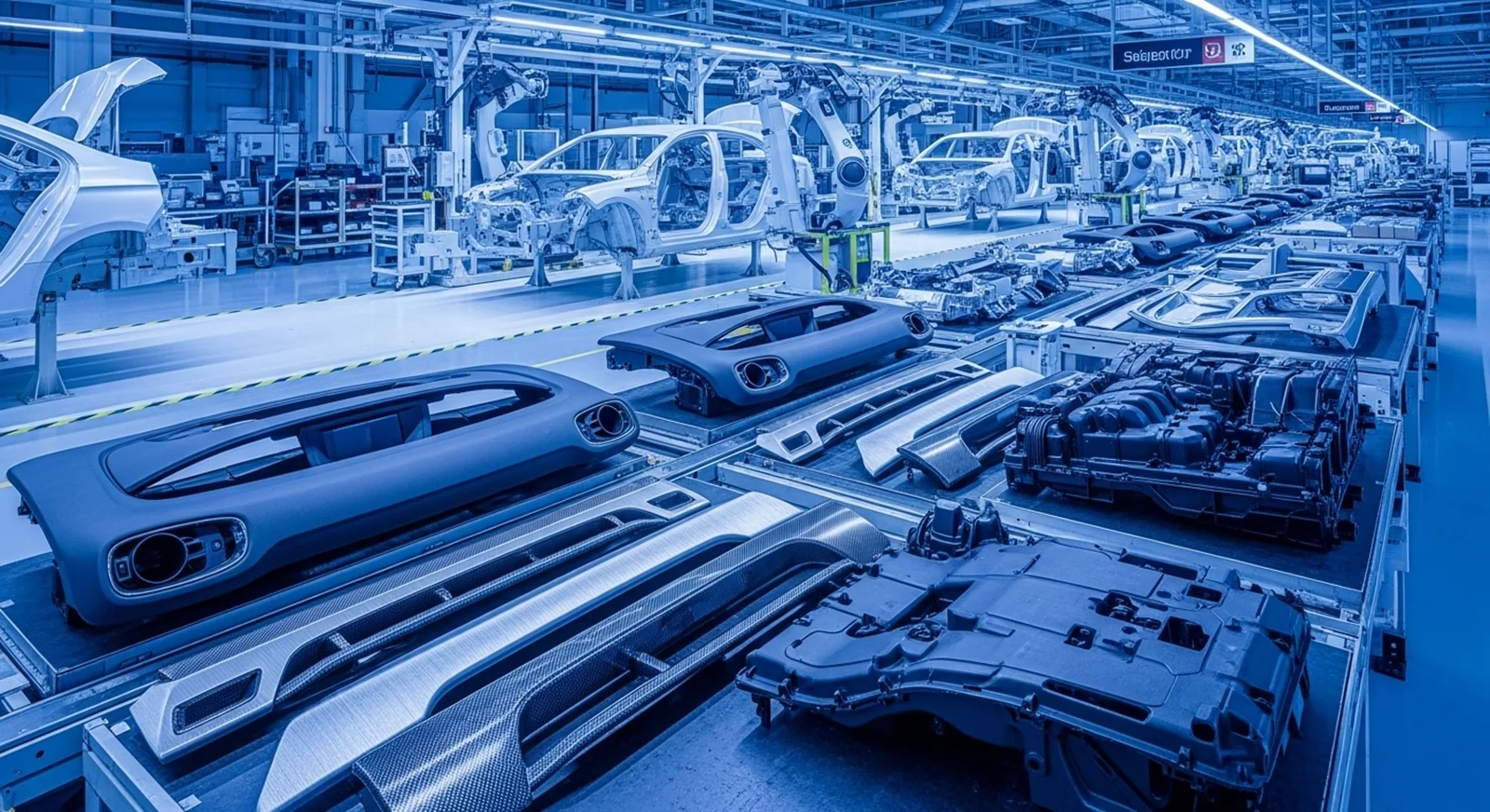
Design for Manufacturability Improves Quality and Reduces Costs
Even the most innovative design can become expensive if it is difficult to manufacture. Design for Manufacturability (DFM) is a critical step within professional Plastic Design Services.
DFM principles help engineers create parts that can be consistently produced with fewer defects, shorter cycle times, and lower production costs. This includes maintaining uniform wall thickness, incorporating proper draft angles, minimizing sharp corners, and optimizing gate locations for molded parts.
When manufacturing considerations are addressed early in the design phase, companies can reduce tooling modifications, avoid production delays, and improve overall product quality.
Environmental and Performance Testing Should Never Be Overlooked
Plastic components used in aerospace and automotive environments often face extreme operating conditions. Exposure to vibration, pressure changes, chemicals, moisture, and temperature variations can impact long-term performance.
Testing during the design process helps validate component reliability before full-scale production begins. Common evaluations include:
-
Thermal testing
-
Mechanical load testing
-
Chemical resistance testing
-
Vibration analysis
-
Fatigue testing
-
Dimensional stability assessments
These validation processes allow manufacturers to identify potential weaknesses early and implement corrective improvements before deployment.
Prototyping Accelerates Product Development and Reduces Risk
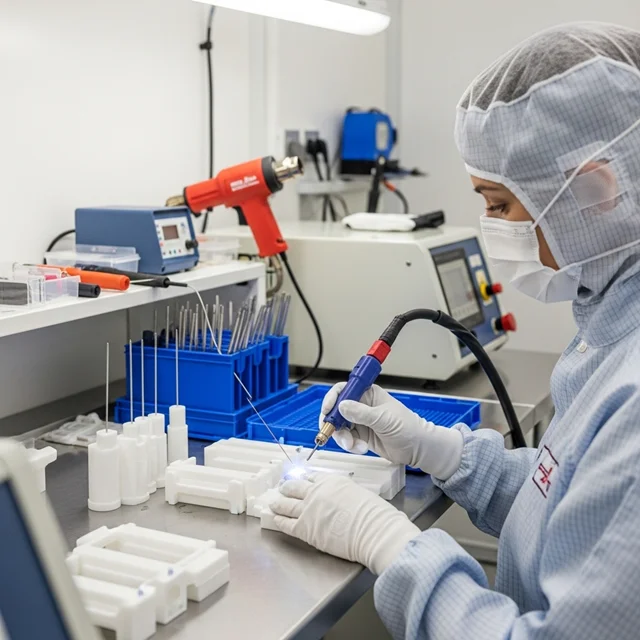
Prototyping has become an essential part of modern plastic product development. Physical prototypes allow engineers to evaluate fit, function, assembly requirements, and overall performance before investing in production tooling.
Rapid prototyping technologies help accelerate development cycles while reducing costly design revisions. By testing prototypes under realistic operating conditions, manufacturers can make informed design decisions and improve final product quality.
This approach is particularly valuable for complex Aerospace Plastic Components and advanced automotive systems where precision and reliability are critical.
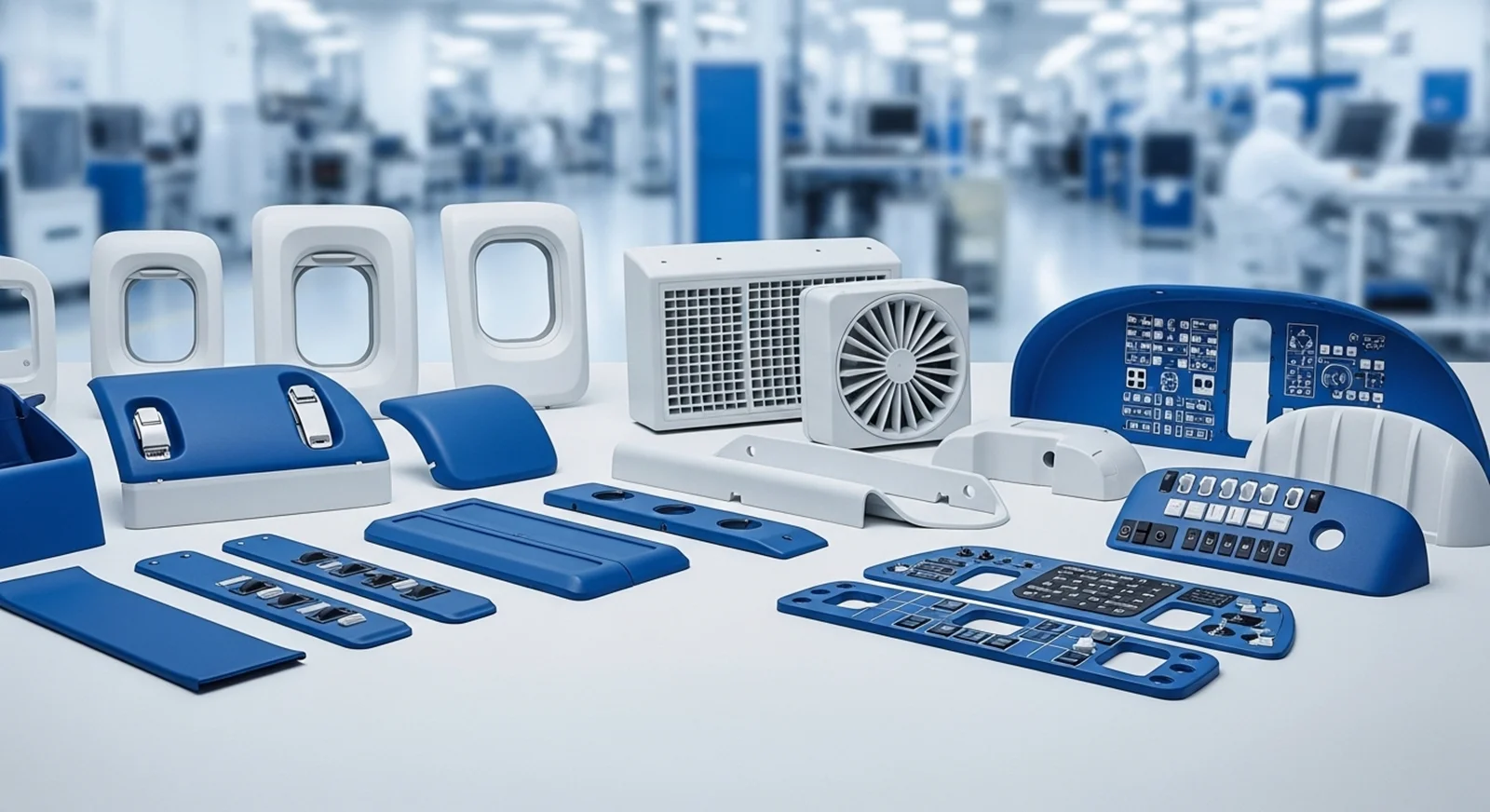
What Makes Foxx Technologies’ Plastic Design Capabilities Valuable
Foxxtechnologies supports complex plastic product development through advanced engineering expertise, design optimization, prototyping support, and manufacturing-focused design practices. Their approach emphasizes functionality, manufacturability, precision, and performance, helping customers streamline development while improving product reliability across demanding industrial applications.
The Future of Plastic Design in Aerospace and Automotive Industries
As technology continues to evolve, plastic design will play an even larger role in aerospace and automotive innovation. Advanced engineering plastics, simulation software, additive manufacturing, and sustainable materials are creating new opportunities for manufacturers.
Companies that invest in optimized Plastic Design Services can improve product performance, reduce costs, accelerate development timelines, and maintain a competitive advantage in rapidly changing markets.
By combining smart material selection, manufacturable designs, comprehensive testing, and effective prototyping strategies, manufacturers can create durable, lightweight, and high-performing products that meet the demands of modern aerospace and automotive applications.
Frequently Asked Questions
-
Why are plastic components widely used in aerospace manufacturing?
Plastic components help reduce aircraft weight, improve fuel efficiency, resist corrosion, and provide excellent durability under demanding operating conditions.
2.What are the advantages of plastic design in automotive applications?
Plastic designs reduce vehicle weight, improve fuel economy, lower manufacturing costs, and provide flexibility for complex component geometries.
3.What is Design for Manufacturability in plastic design?
DFM focuses on creating plastic parts that are easier, faster, and more cost-effective to manufacture while maintaining quality and performance.
4.Why is prototyping important during plastic product development?
Prototyping helps verify fit, functionality, and performance before production, reducing development risks and minimizing costly design changes.
5.How do engineers choose materials for aerospace plastic components?
Engineers evaluate strength, temperature resistance, chemical compatibility, durability, regulatory requirements, and expected operating conditions.
Found this site through a friend and I am glad I did. The rewards system is very motivating. Give phjilibbcom a try!
Really enjoying the current promotions. The gameplay is fluid and the wins feel rewarding. Jump into pkq98 and see for yourself.
phxojili is surprisingly easy to navigate. I didn’t have any trouble setting up my account or finding my favorite games. Very smooth operation overall.
Found this place through a friend and it did not disappoint. The bonuses are actually fair and easy to claim on bdok999.
Just downloaded the app and the interface is super smooth. Really enjoying the experience so far. Check out 118betapk for a great time!
Very user friendly layout and the promotions are actually worth it. I feel lucky whenever I log in here. Check out luky97login
Really enjoying the slots here. The graphics are great and I’ve had a couple of decent wins today. Visit phjili95
Very reliable platform with a great selection of slots. I had a huge win yesterday on gg189login and the withdrawal was instant.
I appreciate the transparency and the clear terms of service. No hidden catches here. I feel safe betting on krcasinokrwin.
Finally found a site that actually treats players right. The bonuses at xjilicom are legit and easy to claim.